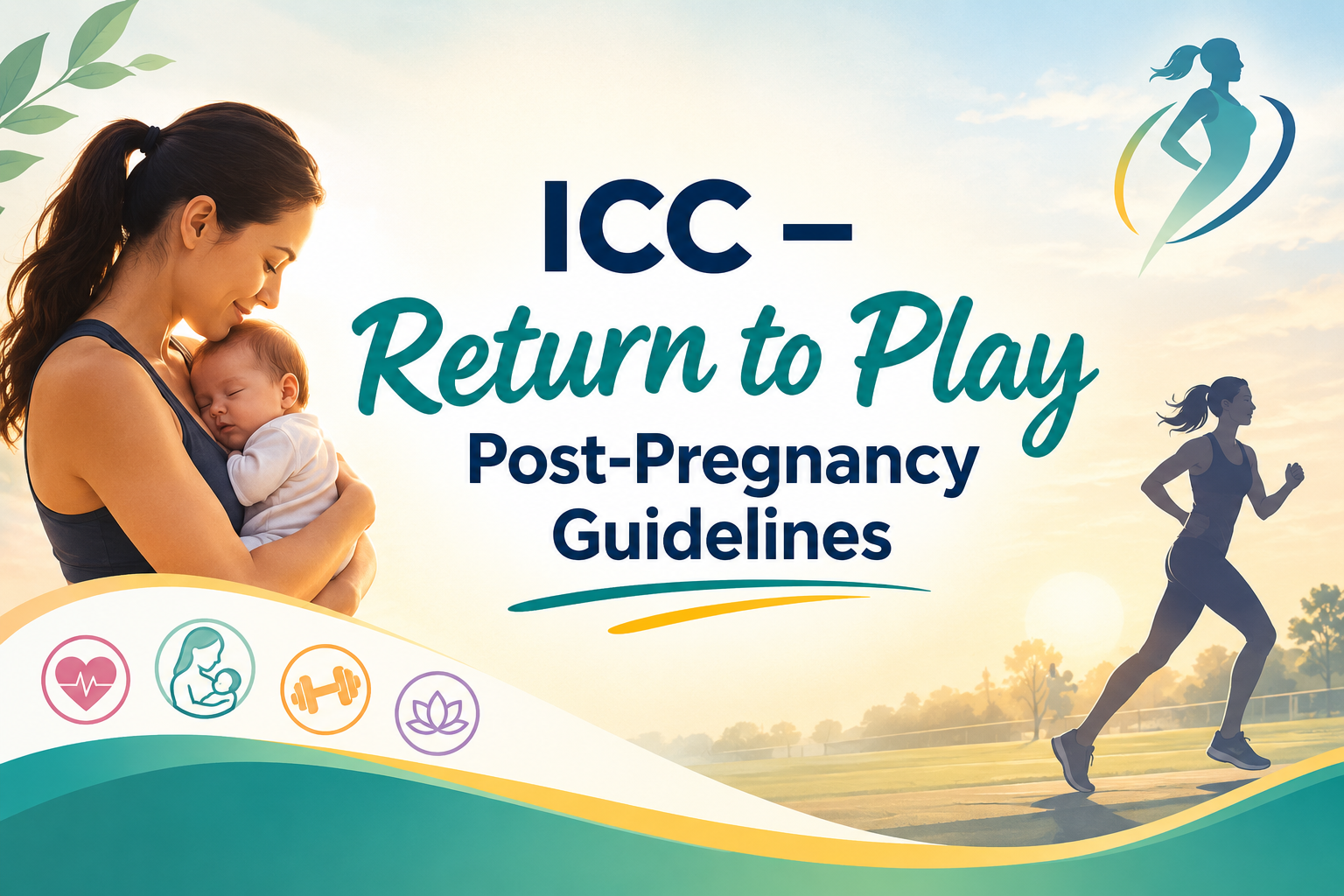
The ICC’s Return to Play Post-Pregnancy Guidelines provide a structured framework to support women cricketers in safely returning to training and competition after pregnancy.
Syllabus areas:
GS Paper II - Issues Relating to Women; Health and Social Sector Policies
GS Paper III - Human Resource Development
In June 2026, the International Cricket Council (ICC) announced a framework to assist women players who are returning to sports after pregnancy and childbirth.
These Return to Play Post-Pregnancy Guidelines focus on “practical, physical and psychological considerations”.
These guidelines outline a 6 R framework:
-
Readiness: 0–6 weeks
-
Review: 6–8 weeks
-
Restore: 8–16 weeks
-
Reconditioning: 12–16+ weeks
-
Return
-
Refine
Among the cricket-playing countries, Australia has a comprehensive policy which includes paid leave, benefits, support till the child is four years old, and contract extension guarantees.
Other countries like New Zealand, South Africa, England, Pakistan and West Indies also have maternity or parental policies.
But India, Sri Lanka and Bangladesh do not have comprehensive policies.
In Taliban-led Afghanistan, women are banned from playing cricket.
Players like:
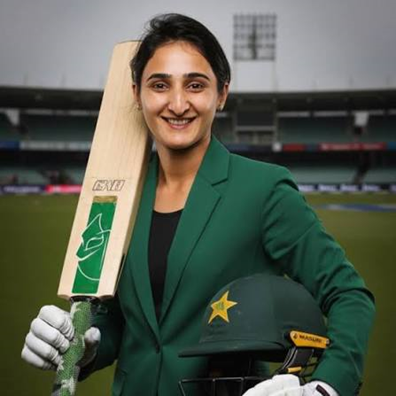
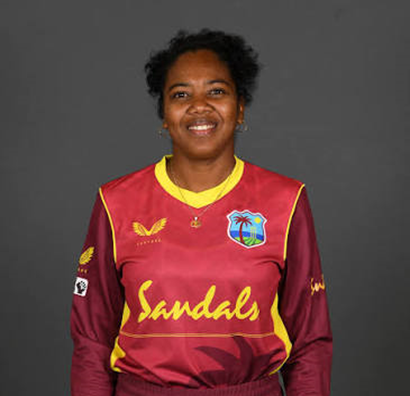
Bismah Maroof – Pakistan Afy Fletcher – West Indies
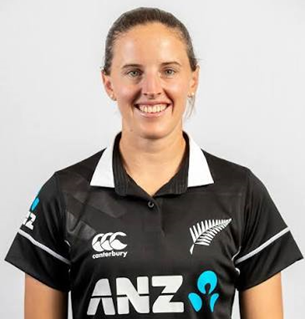
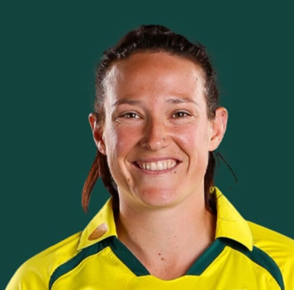
Amy Satterthwaite – New Zealand Megan Schutt – Australia
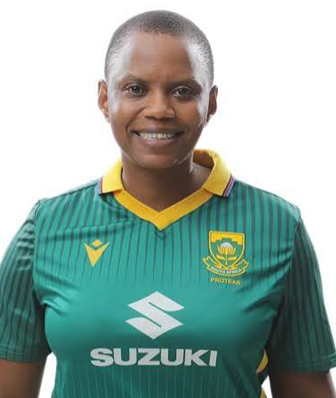
Masabata Klaas – South africa
Are mothers who have competed on the global stage.
The 2022 Women’s ODI World Cup saw the participation of eight mothers; a few even captained.
In India, while there are no mothers on the national-level, Sneha Deepthi played at the domestic level and the Women’s Premier League after giving birth.
Motherhood penalty – The economic disadvantages women face in the workplace as a result of becoming mothers.