Discover five newly identified Allographa lichen species from the Western Ghats, their ecological importance, mutualistic symbiosis, and significance for biodiversity conservation and environmental monitoring.
Syllabus Areas:
GS III - Environment and Ecology
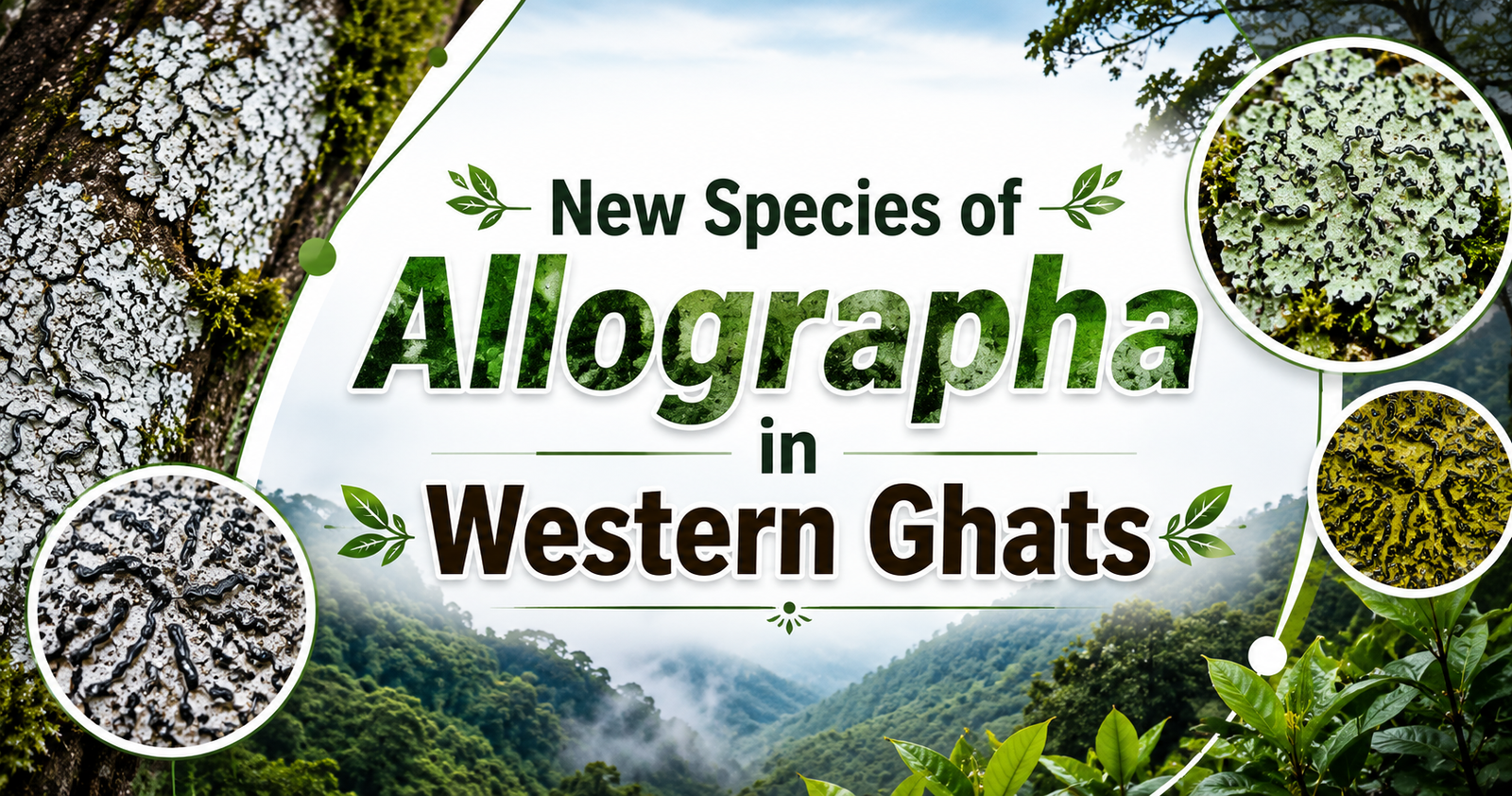
Researchers from the MACS Agharkar Research Institute (ARI), Pune, under the Department of Science and Technology (DST), have discovered five new species of the lichen-forming fungal genus Allographa from the biodiversity-rich Western Ghats. The discovery improves understanding of lichen diversity and strengthens biodiversity conservation efforts.
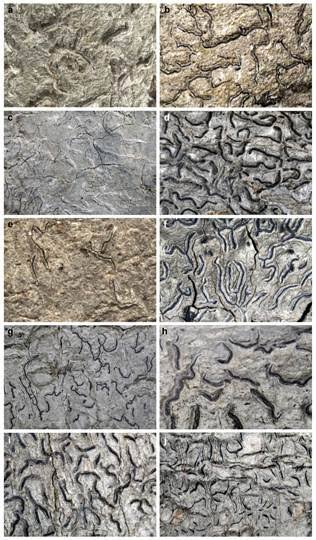
The research identified five previously unknown species of Allographa:
-
Allographa keralensis (named after Kerala)
-
Allographa nayakae (named in honour of Indian lichenologist Dr. Sanjeeva Nayaka)
-
Allographa paraconsanguinea
-
Allographa persistinspersa
-
Allographa semicarbonisata
The study also generated fresh molecular data for several previously known Indian Allographa species.
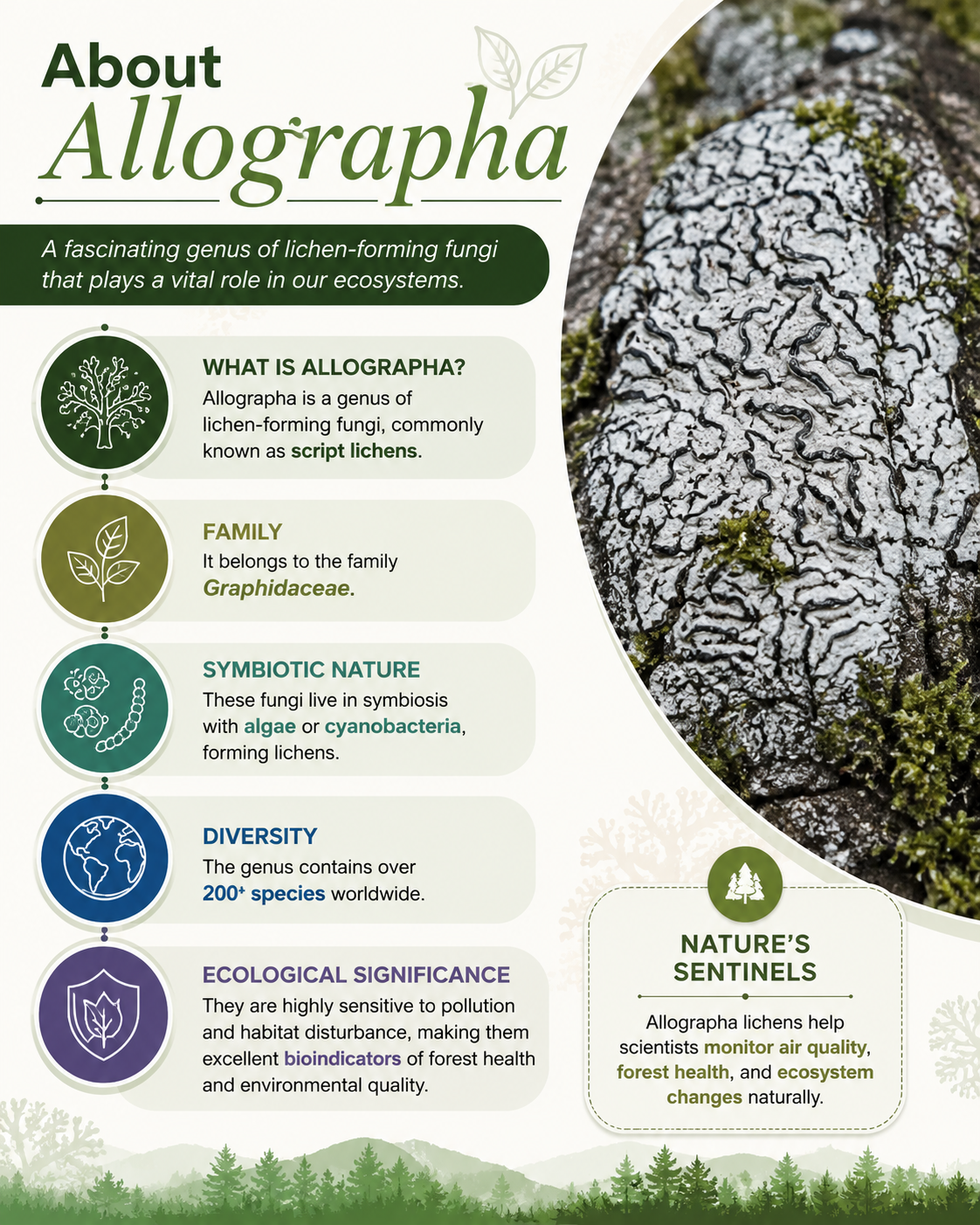
About Graphidaceae
-
A large family of lichen-forming fungi.
-
Includes the genus Allographa.
-
Commonly found on tree bark in tropical and subtropical forests.
-
Plays an important role in:
-
Nutrient cycling
-
Ecosystem functioning
-
Monitoring environmental quality
Importance of the Discovery
The discovery will help:
-
Identify ecologically sensitive forest regions.
-
Improve long-term environmental monitoring.
-
Strengthen biodiversity conservation policies.
-
Support sustainable forest ecosystem management.
-
Expand knowledge of lichen diversity in India, especially in the Western Ghats.
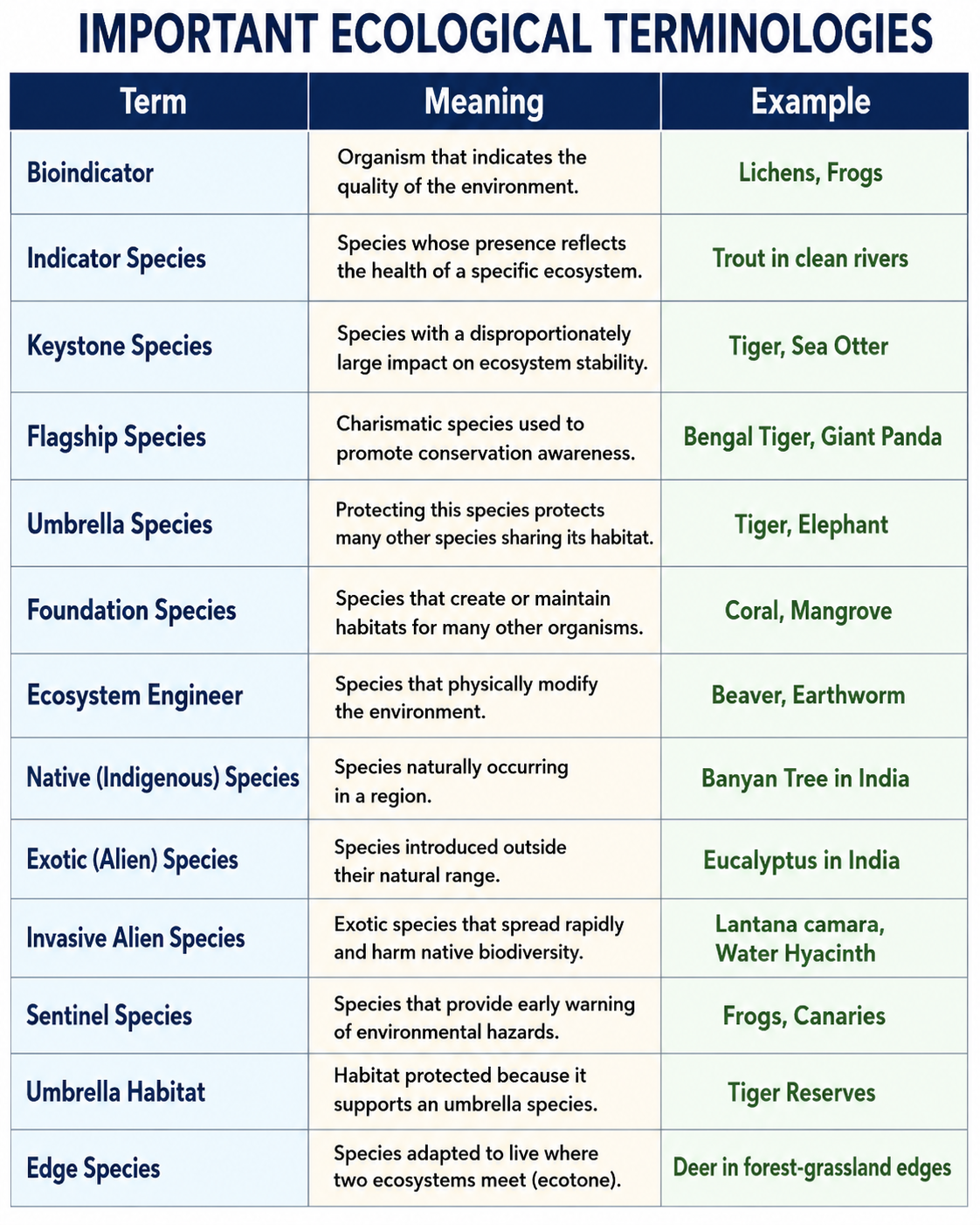
What are Bioindicators?
Bioindicators are organisms that provide information about the condition of the environment by responding to pollution or ecological changes.
Why are they Important?
-
Monitor air, water, and soil quality.
-
Detect pollution at an early stage.
-
Assess ecosystem health.
-
Help formulate conservation and environmental management policies.
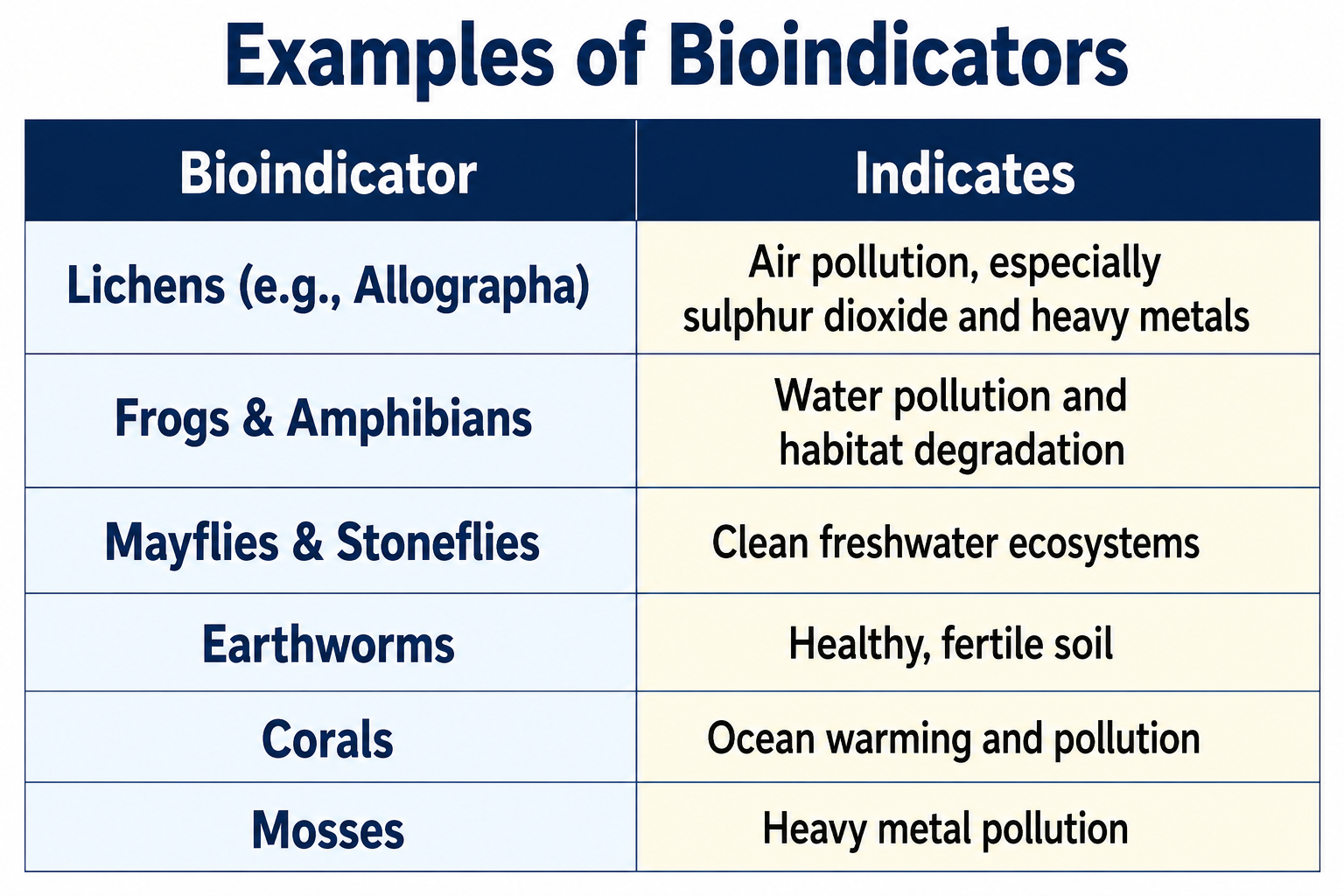
Why are Allographa Lichens Good Bioindicators?
-
They absorb water and nutrients directly from the atmosphere, not through roots.
-
They are highly sensitive to air pollutants, especially sulphur dioxide (SO₂), nitrogen oxides (NOₓ), and heavy metals.
-
They respond quickly to habitat disturbance.
-
Their decline or disappearance signals deteriorating environmental quality.
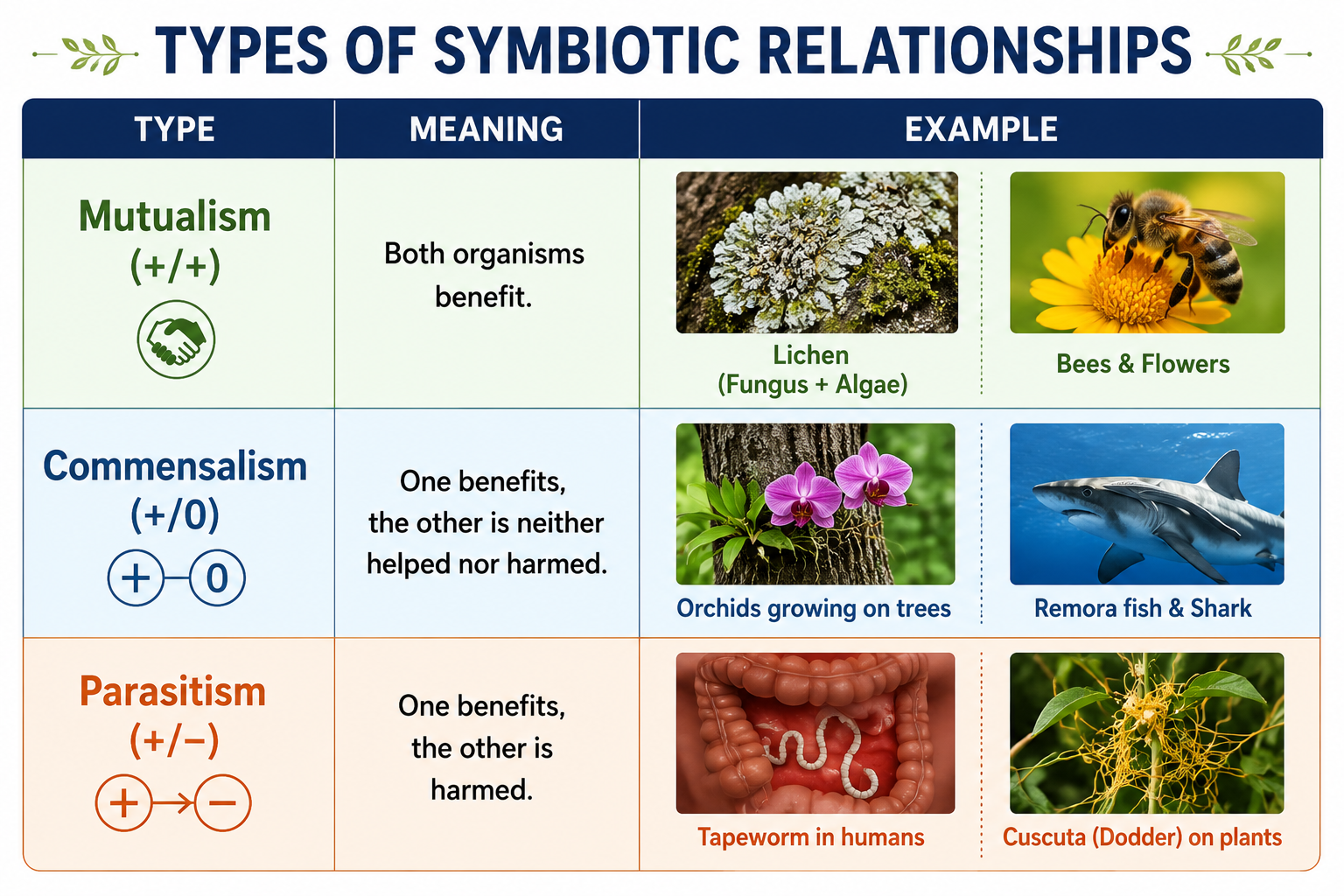
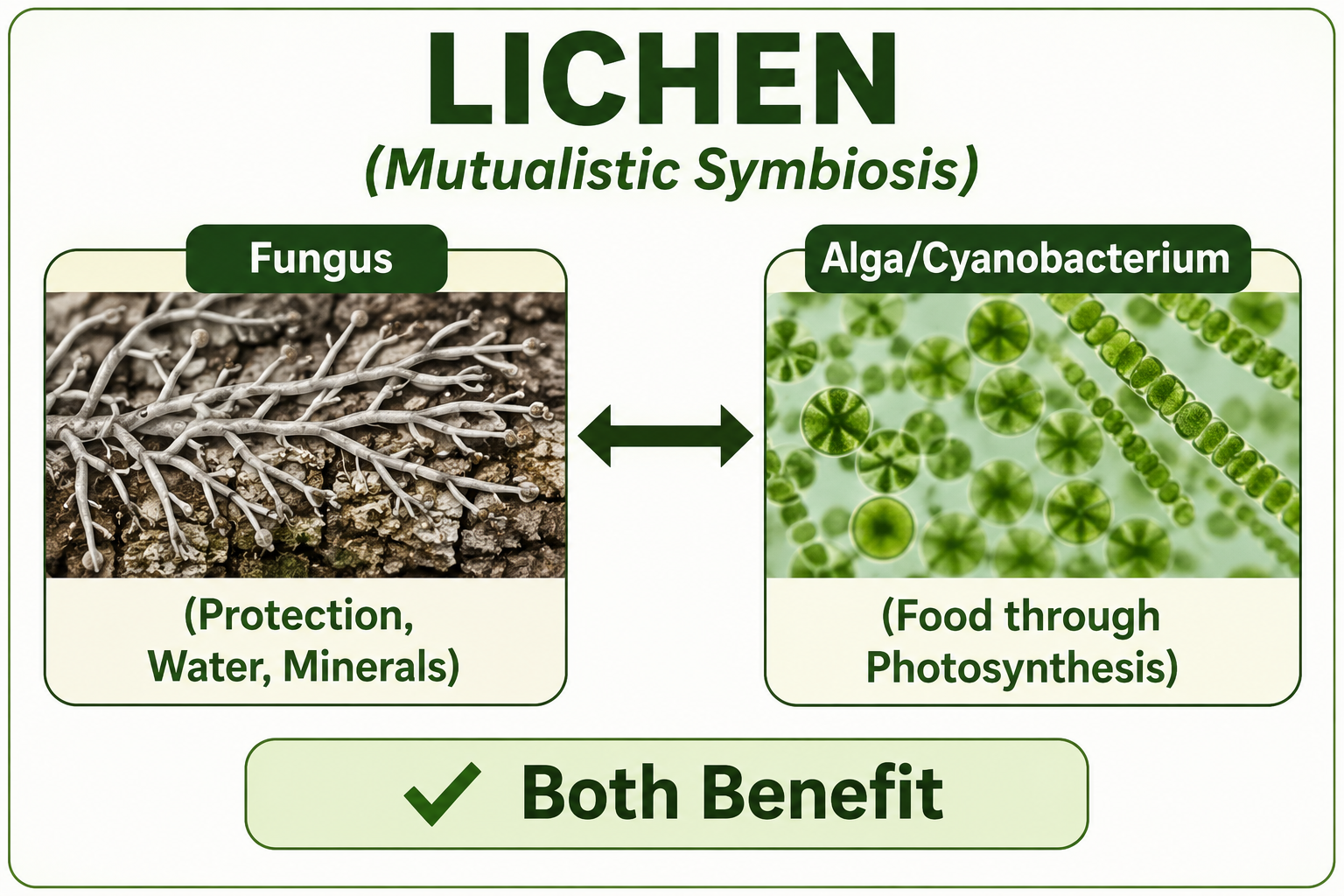
Symbiotic Relationship:
Symbiosis is a biological relationship in which two different organisms live together closely, and one or both benefit.