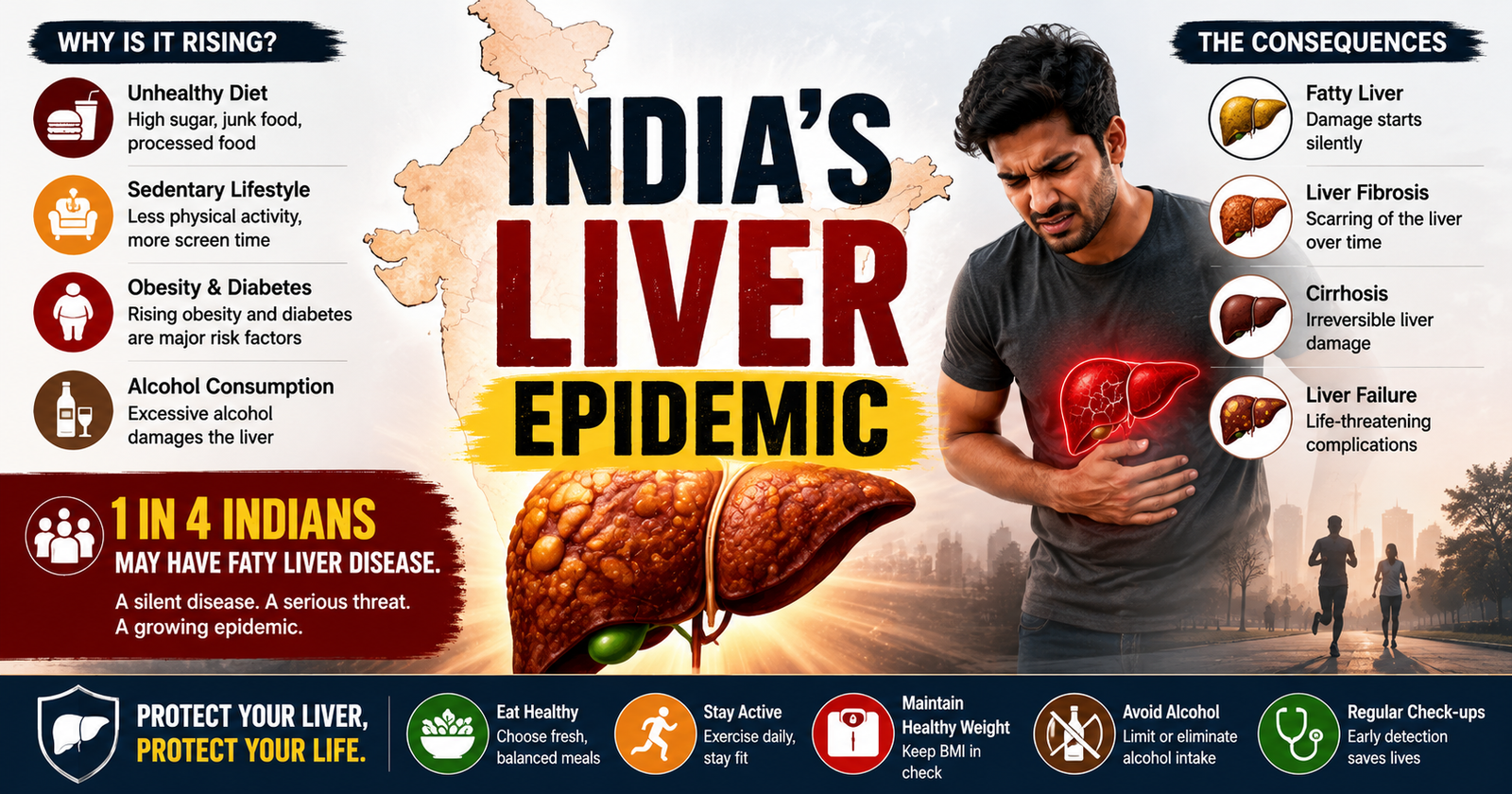
India faces a growing liver and metabolic disease burden. Learn about risk factors, prevention, genomics, AI, and policy measures driving a healthier Viksit Bharat 2047.
Syllabus Areas:
GS III - Science and Technology
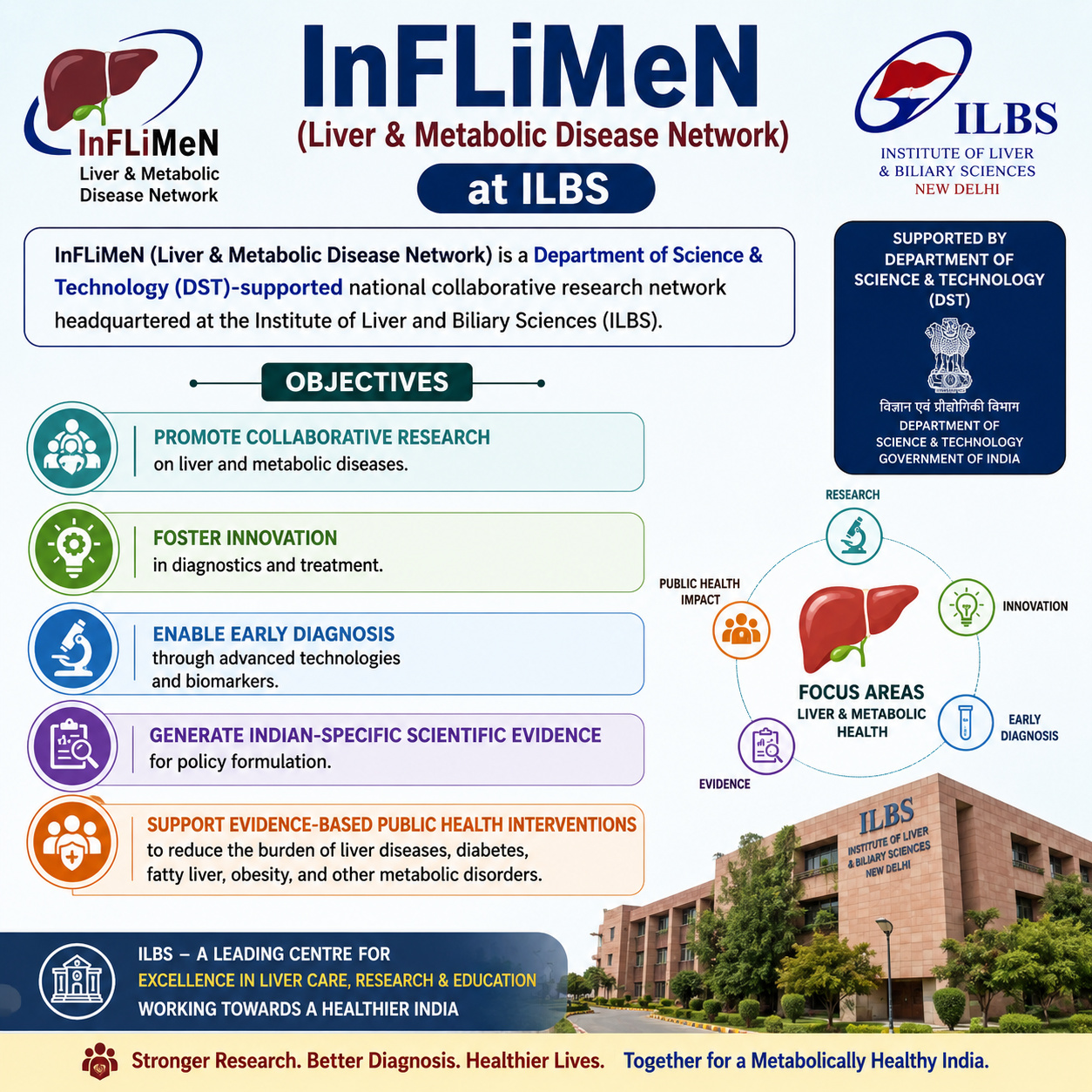
Union Minister of State (Independent Charge) for Science & Technology Dr. Jitendra Singh addressed the 3rd anniversary of InFLiMeN at ILBS, New Delhi. Supported by the Department of Science & Technology (DST), the network promotes collaborative research, innovation, early diagnosis, and evidence-based policies to tackle liver and metabolic diseases in India.
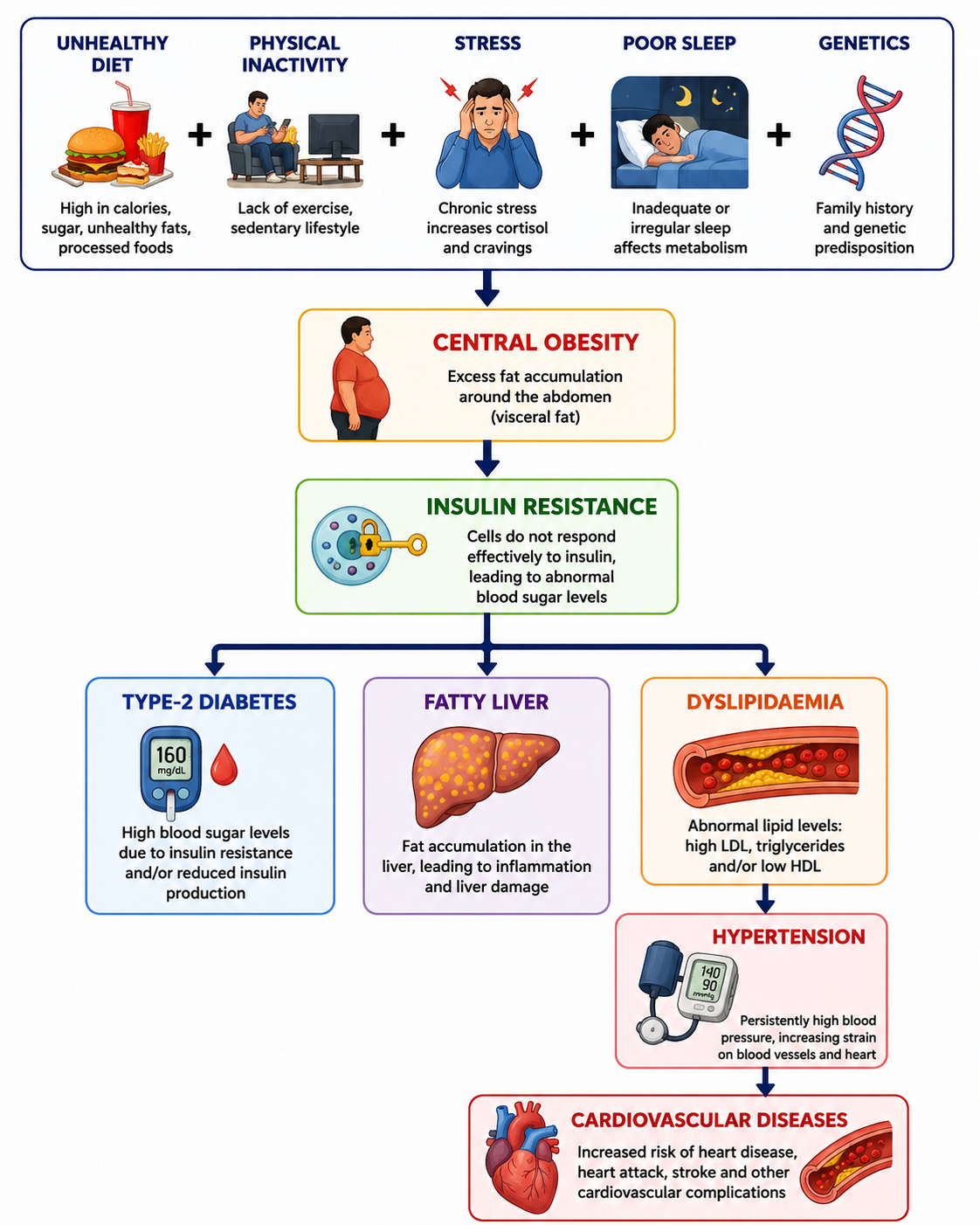
He said India's liver epidemic and the sharp rise in Type-2 diabetes are part of a larger metabolic nexus, with disorders such as fatty liver, hypertension, dyslipidaemia and insulin resistance closely interconnected and predisposing one another.
Growing Burden Among Younger Indians
-
Earlier, metabolic diseases were largely associated with middle-aged and elderly people.
-
Today, these diseases are increasingly affecting Young adults, Adolescents, Working-age population
-
This trend poses a major challenge because it affects Workforce productivity, Economic growth, National health expenditure
Metabolic disorders are no longer only a medical issue but have become a national developmental concern.
How the Metabolic Nexus Works?
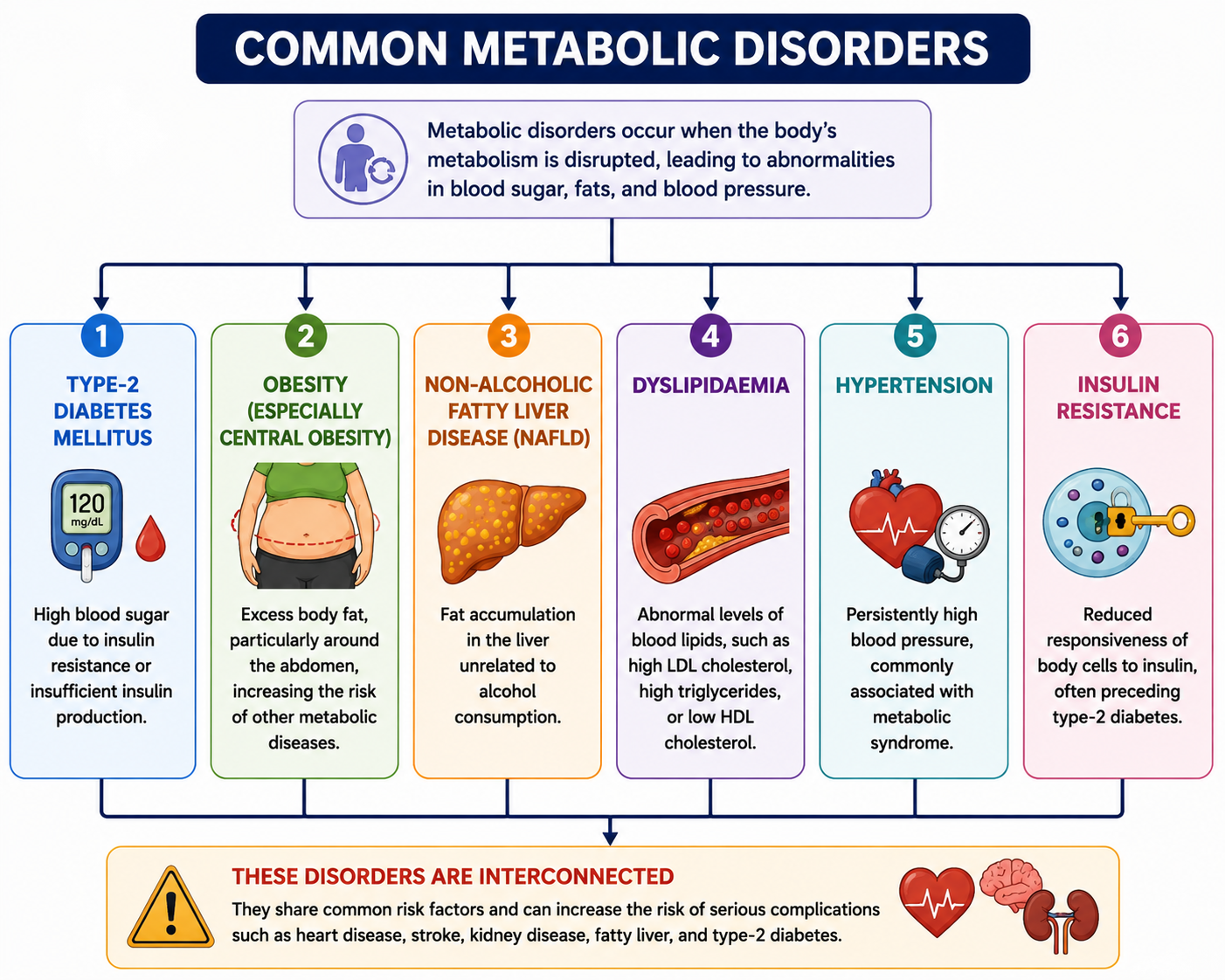
What are Metabolic Disorders?
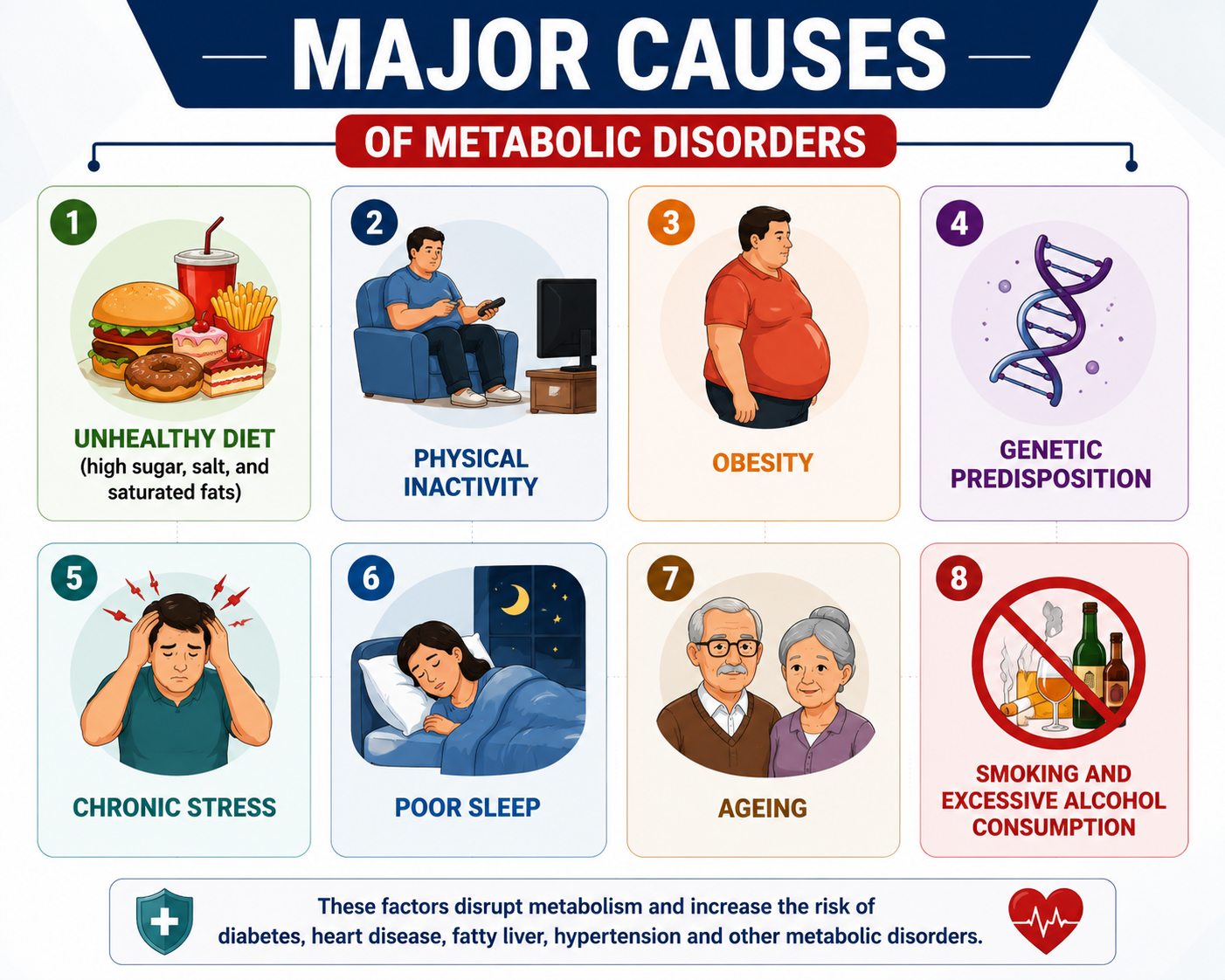
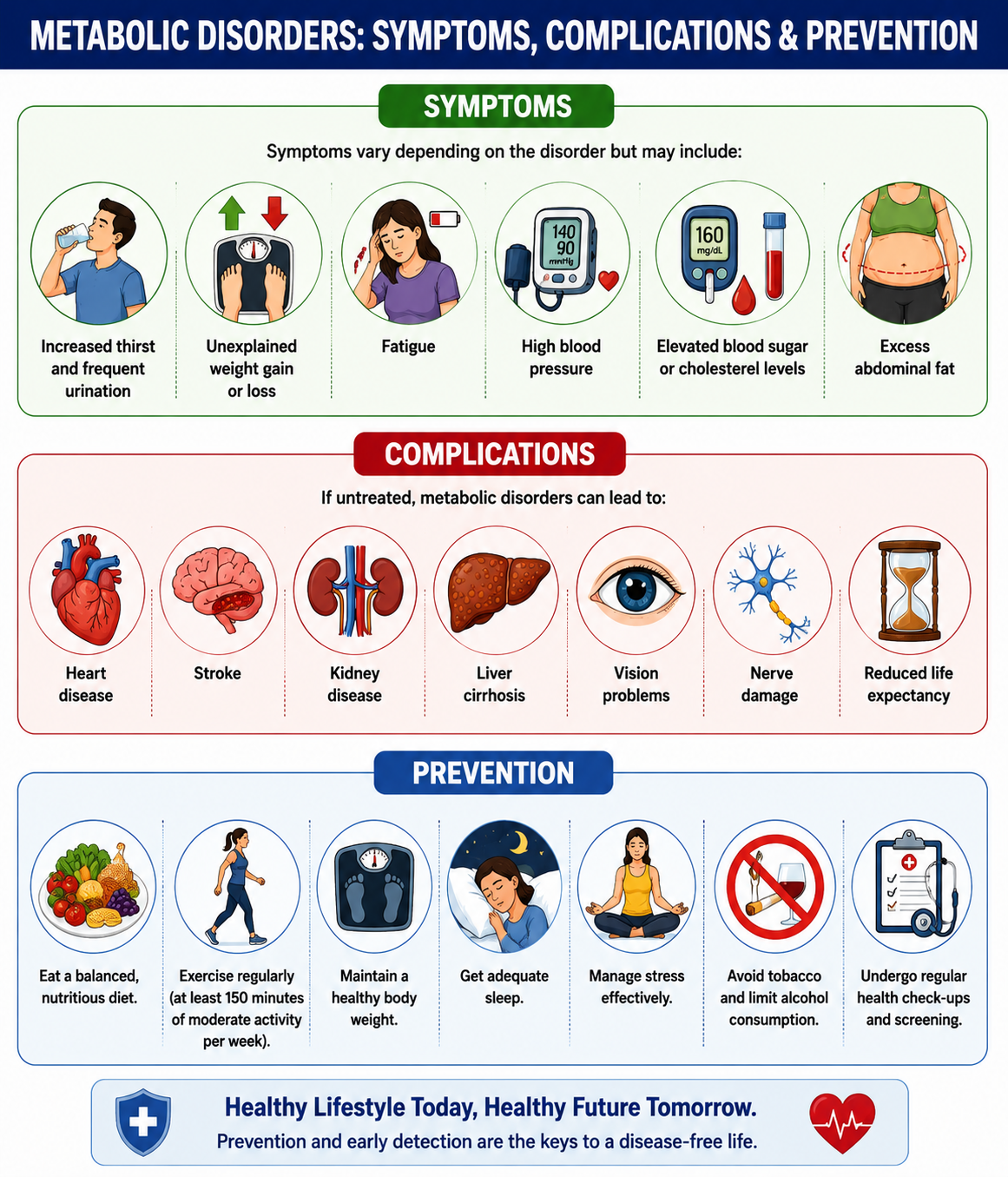
Metabolic disorders are a group of diseases that occur when the body's normal metabolism—the process of converting food into energy and maintaining essential body functions—is disrupted. These disorders affect how the body processes carbohydrates, fats, proteins, and hormones, leading to abnormal levels of glucose, lipids, or other substances.
India's Unique Metabolic Profile:
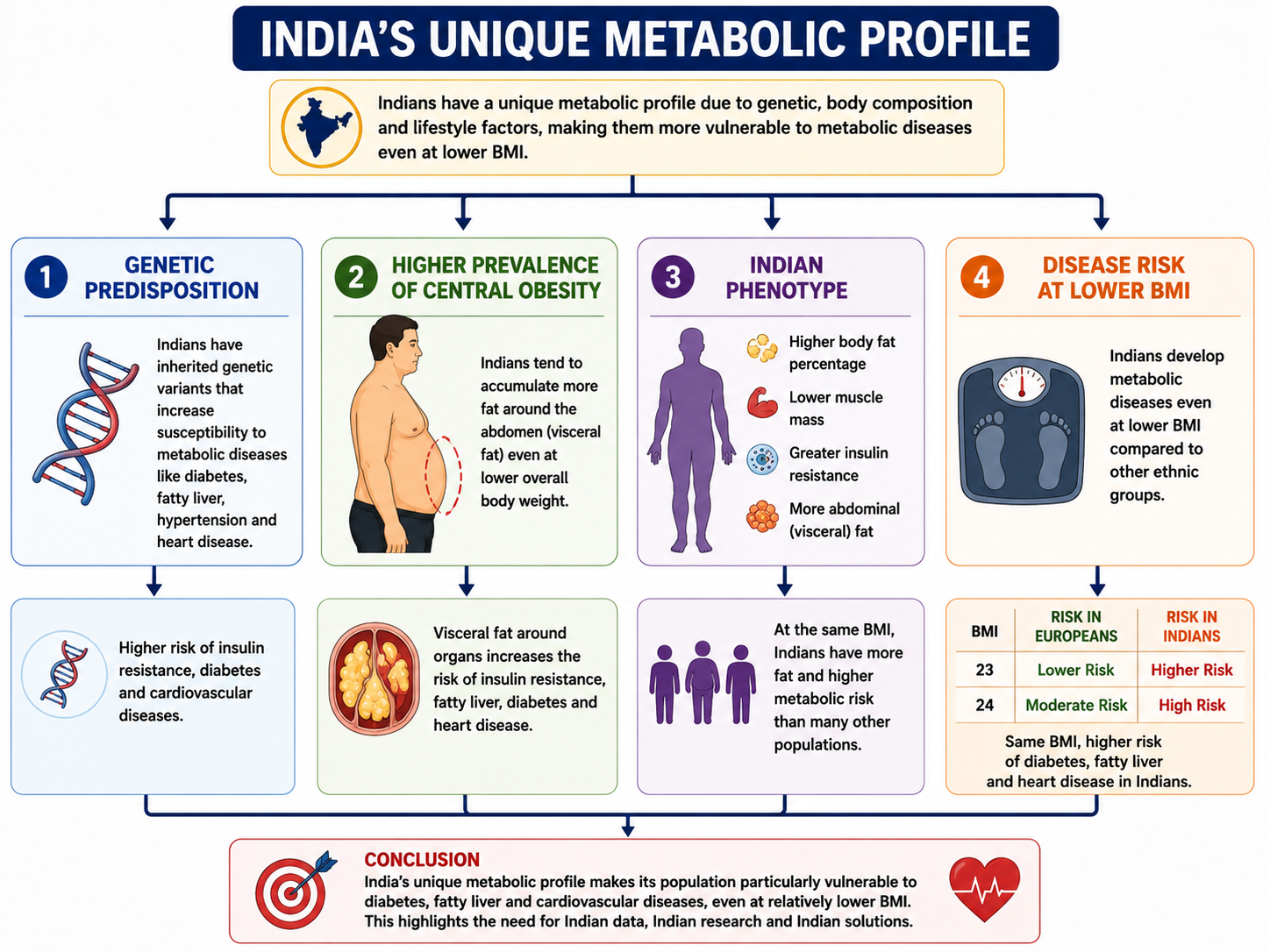
Indians have a unique metabolic profile, meaning their genetic makeup and body composition make them more susceptible to metabolic disorders than many other populations, even if they appear to have a normal body weight.
1. Genetic Predisposition
-
Genetic predisposition is the inherited tendency to develop certain diseases due to variations in genes.
-
Indians possess genetic traits that increase susceptibility to type-2 diabetes, fatty liver disease, hypertension, and cardiovascular diseases.
-
Consequently, even with similar lifestyles, Indians may develop these disorders earlier than other populations, highlighting the need for Indian-specific genomic research.
2. Higher Prevalence of Central Obesity
-
Central obesity refers to excessive accumulation of visceral fat around the abdomen, surrounding organs like the liver and pancreas.
-
This metabolically active fat promotes chronic inflammation and insulin resistance, increasing the risk of diabetes, fatty liver, hypertension, and heart disease.
-
Indians commonly develop abdominal obesity even at relatively lower body weights.
3. Indian Phenotype
-
The Indian phenotype describes the distinctive body composition of Indians, characterized by higher visceral fat, lower muscle mass, greater insulin resistance, and higher body fat percentage at the same BMI as other ethnic groups.
-
Consequently, Indians face a higher risk of diabetes and fatty liver despite appearing to have a normal body weight.
4. Disease Risk at Lower BMI
-
Body Mass Index (BMI) estimates body weight relative to height but does not measure fat distribution.
-
Indians often develop visceral fat, insulin resistance, diabetes, and fatty liver even at a BMI of 23–24, considered normal in many populations.
-
Therefore, BMI alone is insufficient for assessing metabolic risk in Indians; waist circumference and body composition are equally important.
Why is the Liver an Important Organ of the Human Body?
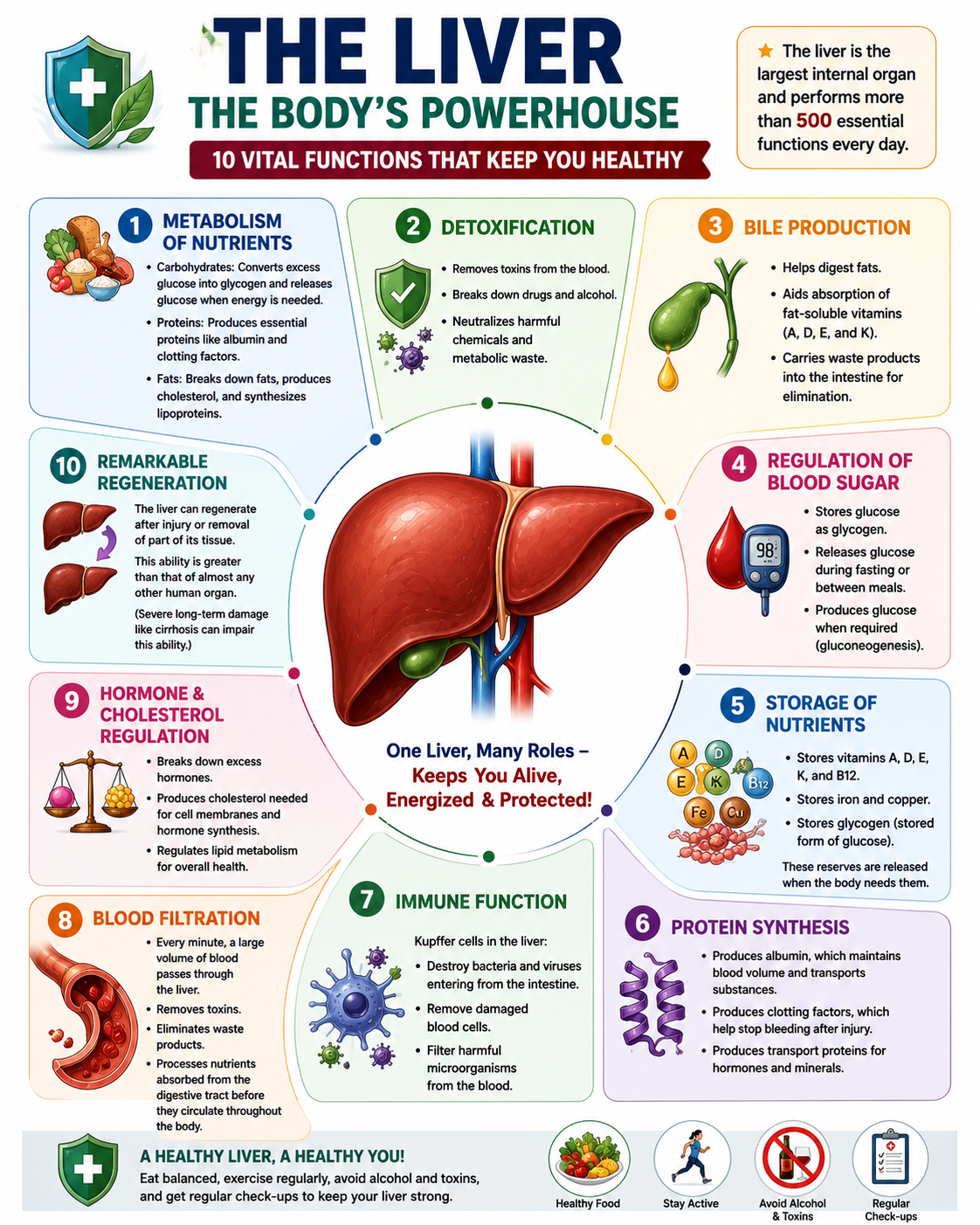
The liver is the largest internal organ and the largest gland in the human body. Located in the upper right side of the abdomen, it performs more than 500 vital functions, making it indispensable for survival.
Functions of the Liver:
1. Metabolism of Nutrients: Converts carbohydrates, proteins, and fats into usable energy while regulating glucose, lipid, and protein metabolism efficiently.
2. Detoxification: Removes toxins, metabolizes drugs and alcohol, and neutralizes harmful chemicals to protect the body from damage.
3. Bile Production: Produces bile to digest fats, absorb fat-soluble vitamins, and eliminate waste products through the intestine efficiently.
4. Regulation of Blood Sugar: Maintains blood glucose by storing glycogen, releasing glucose, and producing glucose during fasting when required.
5. Storage of Nutrients: Stores vitamins, minerals, and glycogen, releasing them whenever the body requires essential nutrients and energy reserves.
6. Protein Synthesis: Produces albumin, clotting factors, and transport proteins essential for circulation, healing, and normal body functions effectively.
7. Immune Function: Kupffer cells destroy pathogens, filter microorganisms, and strengthen the body's immune defense against infections and diseases.
8. Blood Filtration: Filters blood, removes toxins and wastes, and processes absorbed nutrients before systemic circulation throughout the body.
9. Hormone and Cholesterol Regulation: Regulates hormone levels, produces cholesterol, and maintains healthy lipid metabolism for normal physiological functioning daily.
10. Remarkable Regeneration: Regenerates damaged tissue after injury or surgery, restoring liver function unless extensive chronic damage occurs over time.
National Liver Biobank?
The National Liver Biobank is a specialized repository that collects, processes, stores, and preserves liver tissue, blood, DNA, and other biological samples from patients and healthy individuals for medical research, diagnosis, and development of new treatments.
It has been established by the Institute of Liver and Biliary Sciences (ILBS) to strengthen research on liver diseases in India.
Objectives
-
Preserve high-quality liver tissue and biological samples.
-
Support research on liver and metabolic diseases.
-
Identify biomarkers for early disease detection.
-
Understand genetic and environmental causes of liver diseases.
-
Promote development of new drugs and therapies.
-
Enable precision medicine through personalized treatment approaches.
-
Facilitate collaboration among researchers and healthcare institutions.
Role of Biotechnology and Genomics
-
Biotechnology and genomics are transforming the understanding and management of metabolic diseases.
-
Initiatives such as the Genome Mission, large-scale gene sequencing, and advanced biotechnology research help identify disease-causing genes, genetic risk factors, and population-specific disease patterns.
-
This enables early diagnosis, targeted therapies, indigenous innovations, and evidence-based public health policies.
Artificial Intelligence (AI) in Healthcare
-
Artificial Intelligence (AI) enhances healthcare by analyzing large medical datasets to enable early disease detection, risk prediction, medical imaging analysis, and clinical decision-making.
-
AI also supports personalized treatment and precision medicine, improving diagnostic accuracy, reducing healthcare costs, minimizing human error, and delivering faster, evidence-based patient care.
Precision Medicine
-
Precision medicine is an approach that tailors disease prevention, diagnosis, and treatment according to an individual's genetic profile, lifestyle, environmental exposure, and disease characteristics.
-
Unlike the traditional one-size-fits-all approach, it improves treatment effectiveness, minimizes adverse effects, supports personalized healthcare, and enhances long-term patient outcomes.
India must combine scientific innovation with widespread public awareness, behavioural change, and multi-stakeholder collaboration to combat metabolic diseases. Promoting healthy lifestyles, combating misinformation, and strengthening preventive healthcare will improve human capital and accelerate progress towards the vision of Viksit Bharat 2047.