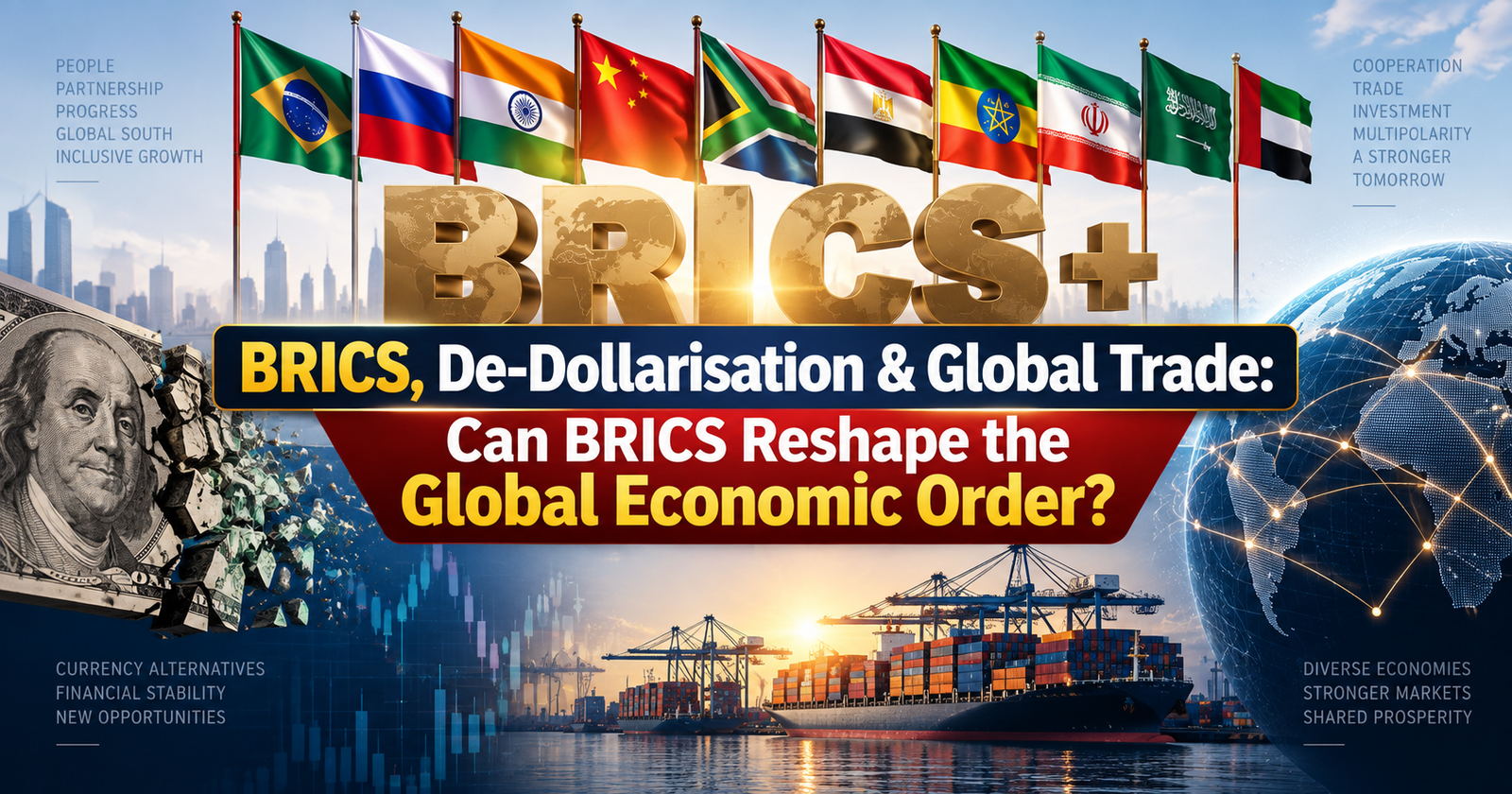
Explore BRICS expanding economic influence, de-dollarisation efforts, global trade, intra-BRICS competition, cross-border payments, and its potential to reshape the global economic order.
Syllabus Areas:
GS II - International Relations
GS III - Economy
Attempt Quiz on BRICS': Click Here
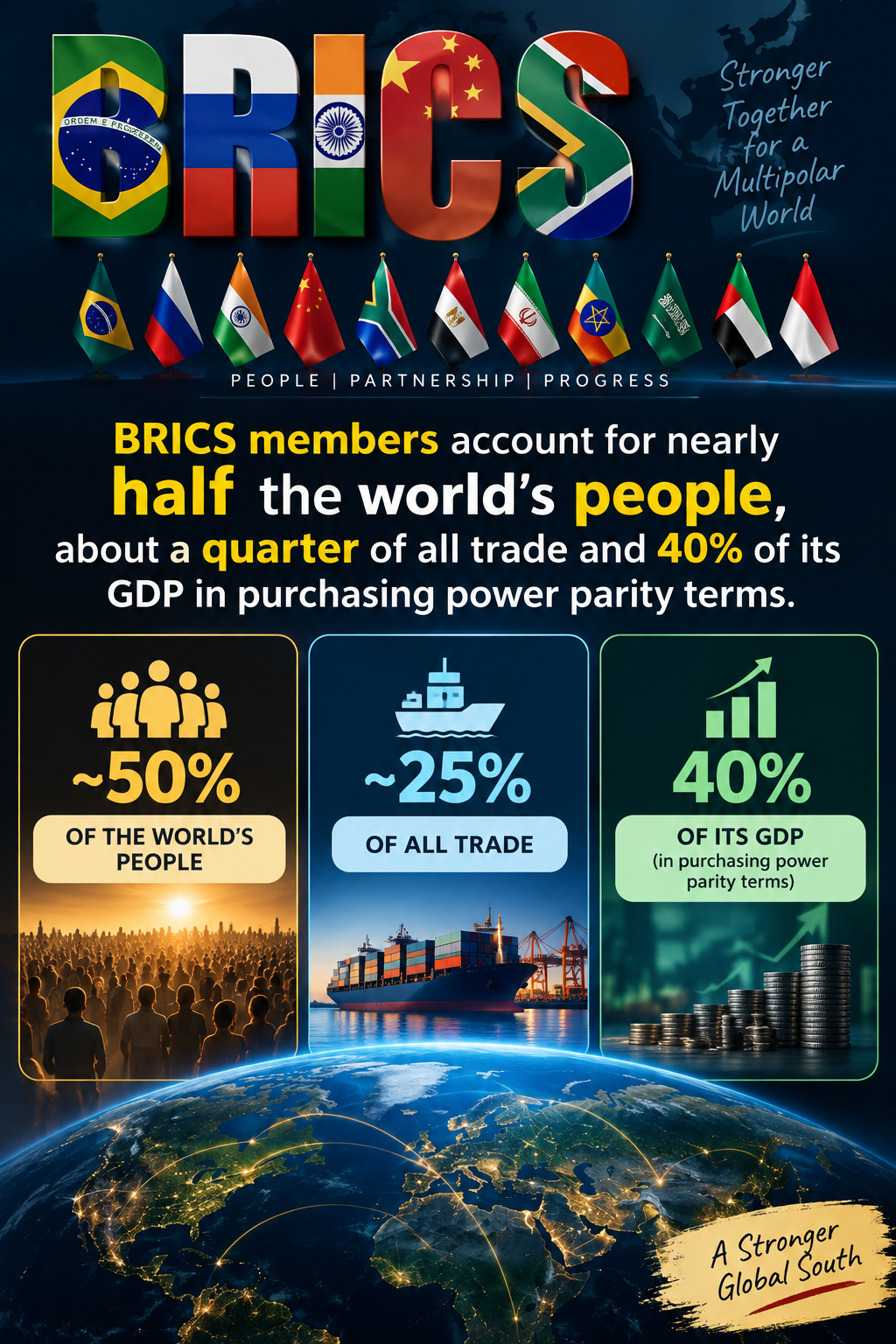
BRICS has expanded its membership and now represents a larger share of the global economy in PPP (Purchasing Power Parity) terms than G7. The bloc is a forum for multipolarity and shared prosperity.
But, BRICS countries are causing inflation, losses of export revenues and growth stagnation to their partners.
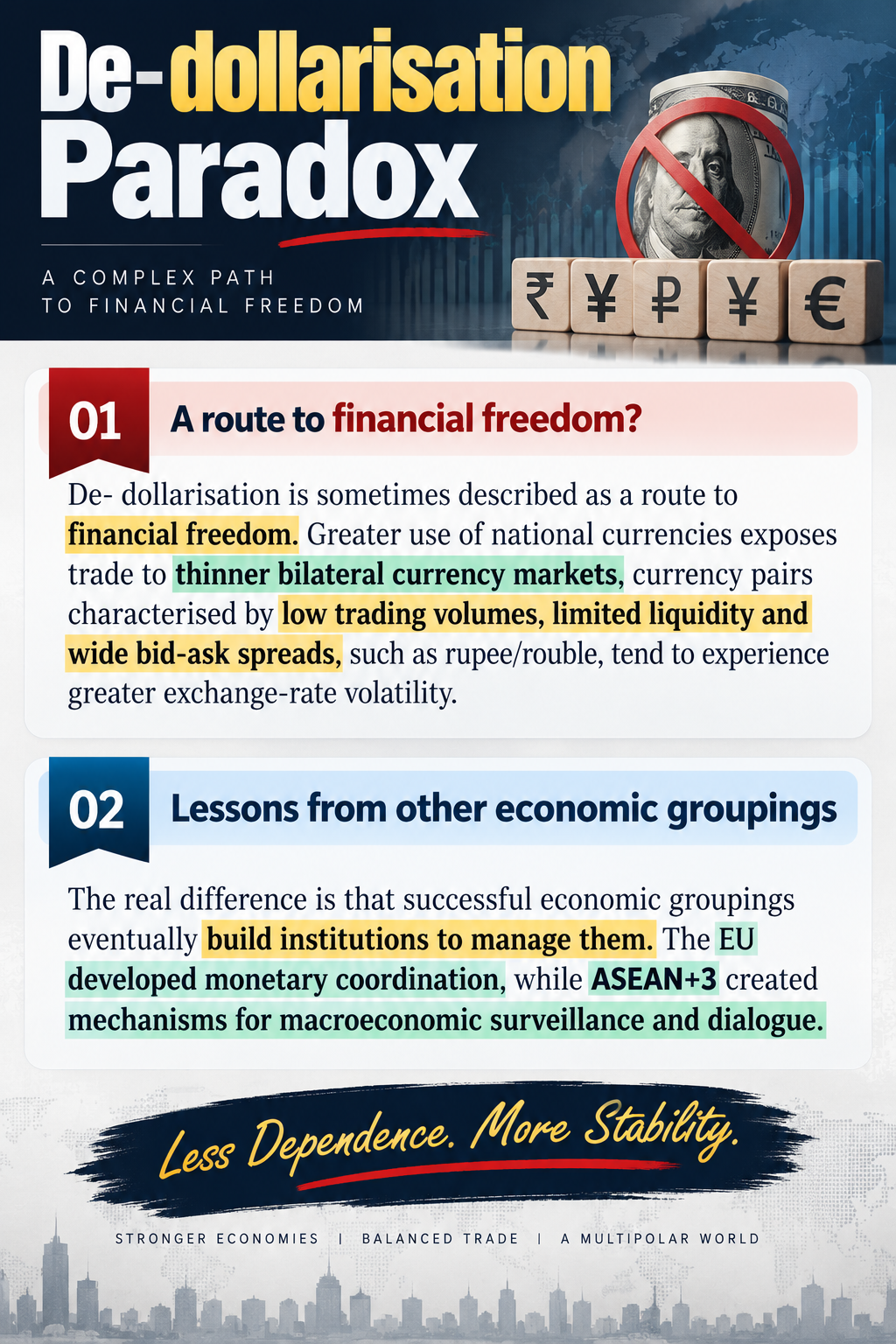
For instance, its $100-billion Contingent Reserve Arrangement (CRA) established in 2014, provides balance-of-payments support during financial stress. But the CRA does not monitor or coordinate the currency, commodity and inflation spillovers members impose on one another.
BRICS therefore has crisis-response tools but no comparable surveillance mechanism.
Nearly two decades on, BRICS has no common mechanism for members to discuss economic damage arising from other members' policies.
So it has ended up as an economic family without the family spirit needed for solidarity. The consequences of this institutional gap are already visible in how members' domestic economic decisions spill across BRICS borders.
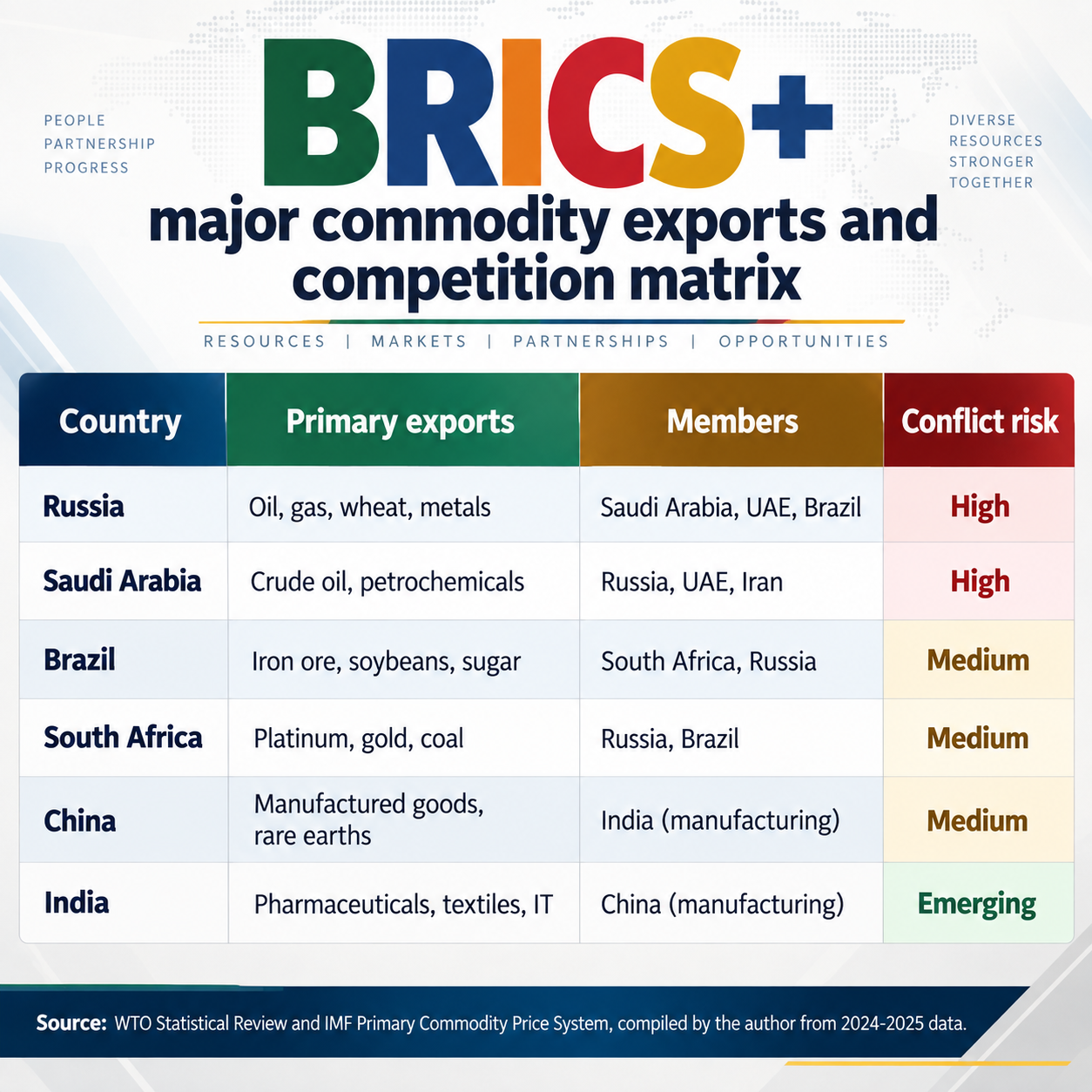
Among the members of BRICS+, several major exporters compete in overlapping markets. This creates structural conflicts of interest among members in their export strategies.
This contradiction became evident when Saudi Arabia and the UAE joined BRICS in 2024, making the group home to three major oil producers. The discounted oil offered by Russia from 2022 is illustrative of how one member can defend market share at the cost of another.
This spillover can also be evident in imports.
-
India imports up to $132 billion of goods a year from China, which is a major channel for Chinese cost pressures to enter the Indian economy.
-
Rising production costs in China, whether due to wages, energy or supply disruptions, can increase costs for Indian importers, which can trickle down to domestic prices. But BRICS has not measured nor addressed these externalities of inflation.
18th summit of BRICS - Theme:
"Building for Resilience, Innovation, Cooperation and Sustainability" holds relevance in a context of globally fraught geopolitics.
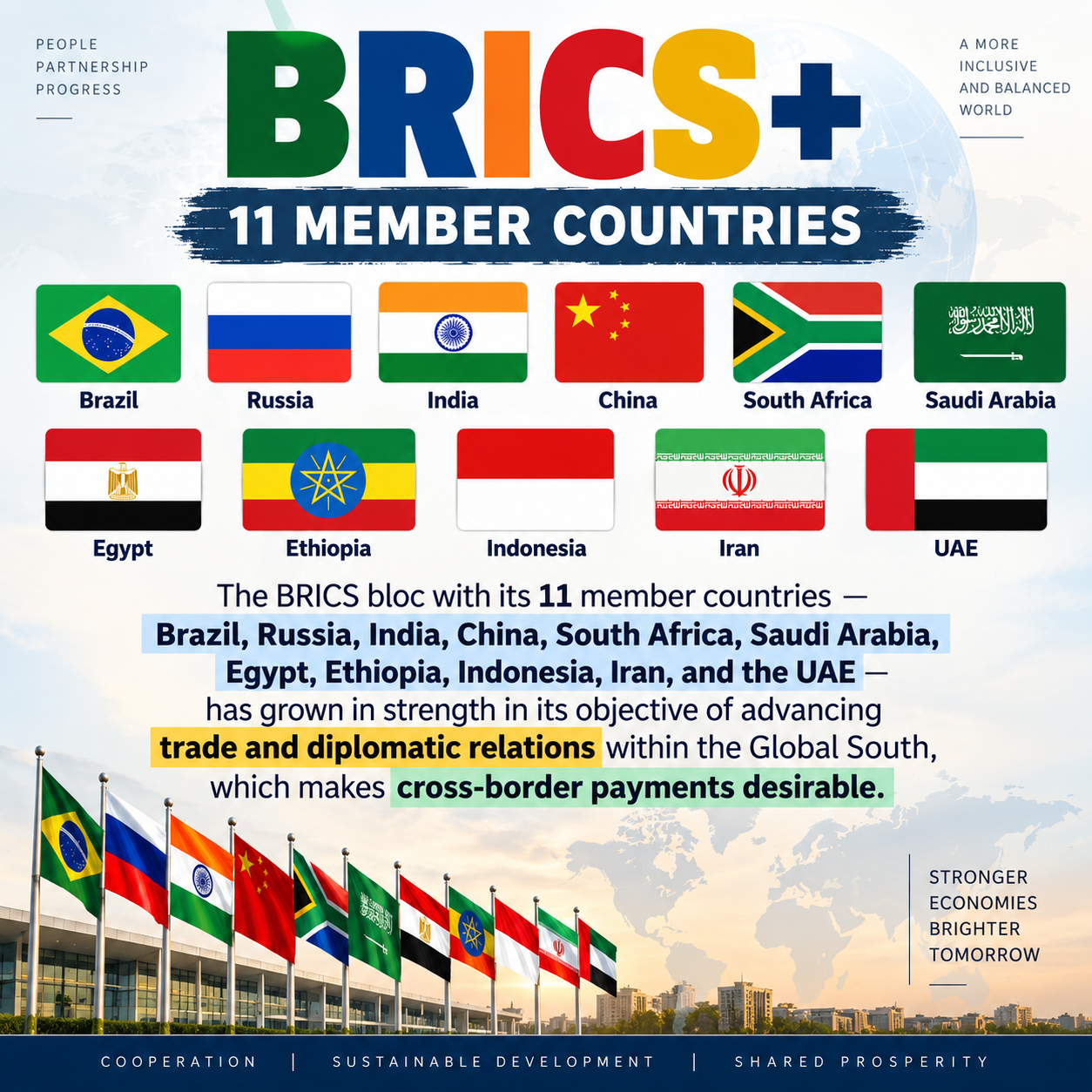
The group's name is an offshoot of the term BRIC coined by British economist Jim O'Neill and popularised by Goldman Sachs as shorthand for four vibrant markets Brazil, Russia, India, China. That they banded together and were joined by South Africa and later by Egypt, Iran, Ethiopia, Saudi Arabia, UAE, Indonesia testifies to the global need for a broad non-Western forum.
Reducing global dependence on the U.S. dollar
Reducing global dependence on the U.S. dollar is a key part of the discussions in the 18th BRICS Summit, scheduled to be held in India, happening in New Delhi from September 12 and 13, 2026.
De-dollarization is the process of reducing dependence on the US dollar in international trade, finance, reserves, and cross-border transactions globally.
Finance ministers and central bank governors from BRICS countries, under India’s chairmanship, will meet from August to discuss the facilitation of cross-border payments and strengthening of national currencies.
Present Payment Method:
-
Currently, making payments across countries involves correspondent banking networks, with each country holding accounts with each other.
-
In countries where such correspondent banks do not have arrangements with each other, the transactions are routed through international banks, converting the currency of the sender into dollars, and then converting the dollars to the currency of the recipient country.
-
This process, besides being slow at times, comes with the cost of foreign exchange margins and the fee charged by the intermediaries.
Seeing that the BRICS comprises many developing economies, this can be among the many impediments to trade opportunities.
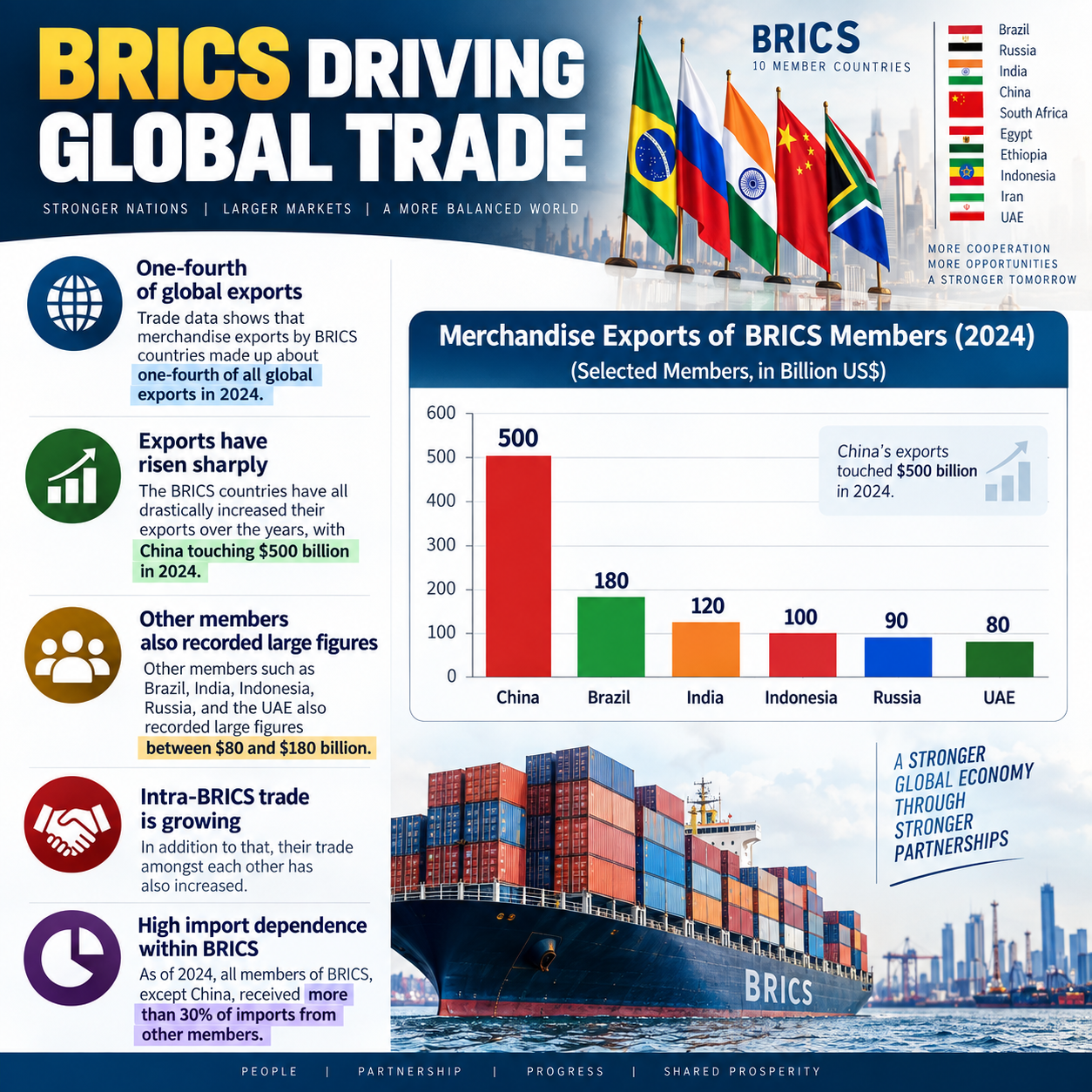
Iran depends on BRICS for more than 65% of its imports, and Ethiopia nearly 45%. Intra-BRICS import dependency could be on the rise due to the heterogeneous composition of goods available among its members, as pointed out in a report by the United Nations Conference on Trade and Development.
Conversely, the dependency within the bloc has also risen. In the last decade, five members (Russia, India, China, Brazil, and Indonesia) have doubled and even quadrupled their exports to other BRICS countries. However, China has consistently shown the lowest dependency on the intra-BRICS export market.
-
Russia saw a rapid increase in its export dependency between 2020 and 2023, in the middle of its invasion of Ukraine, during which countries such as India imported more of its fuel.
-
The country saw a decline in export dependence in 2024. It was under Russia’s chairmanship in 2024 that the BRICS argued against the dominance of the U.S. dollar.
-
Russia was hit directly by the dollar monopoly in 2022, due to sanctions from the U.S. Russian banks were cut off from the Society for Worldwide Interbank Financial Telecommunications (SWIFT), which enables institutions to settle amounts. Hence, international transactions proved difficult for Russia.
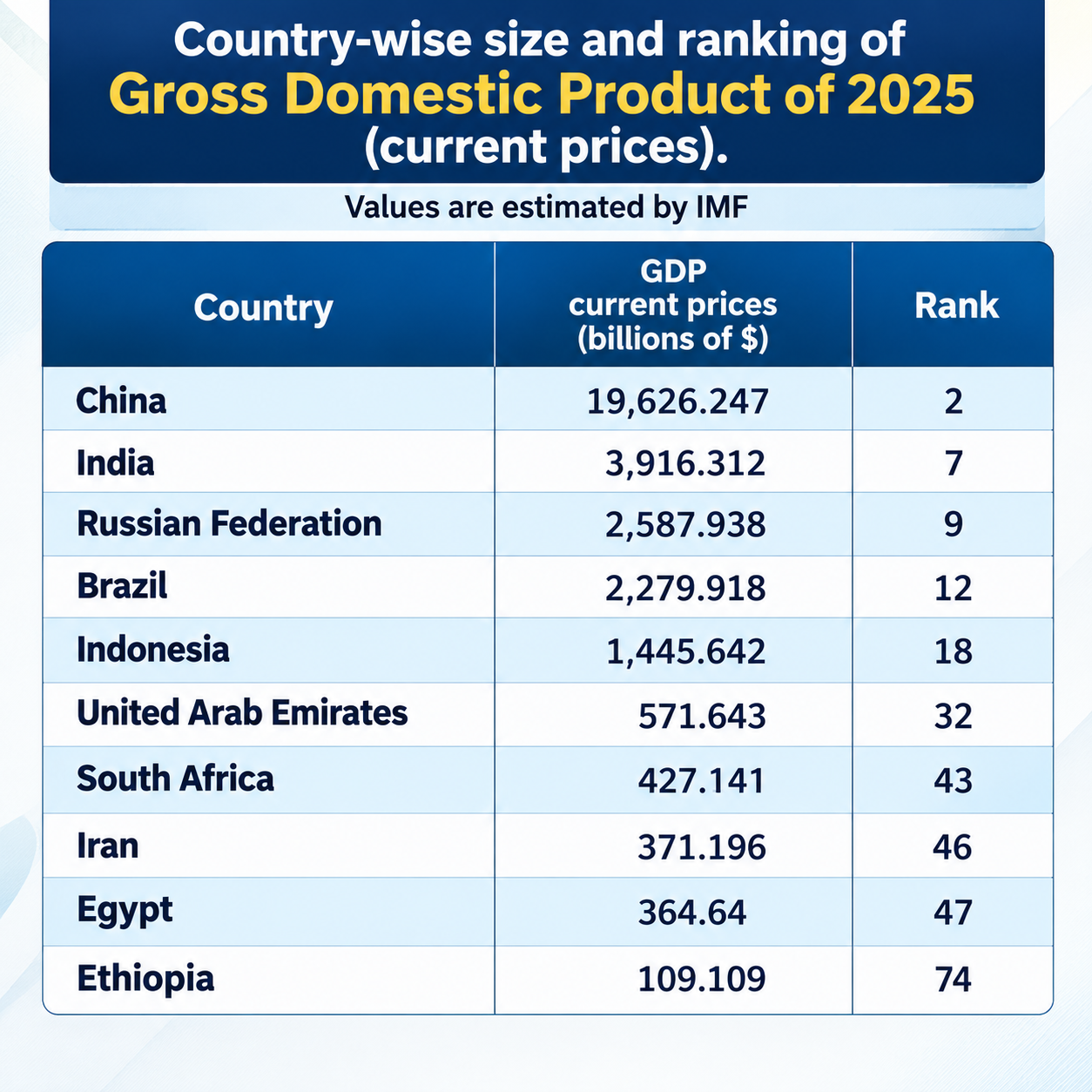
While the U.S. is the largest economy in the world, the BRICS bloc does not fall far behind, as China, India, and Russia are in the top 10 in terms of Gross Domestic Product (current prices). Whether this collective economic strength can challenge the dominance of the dollar is to be seen in the coming days.
Attempt Quiz on BRICS': Click Here