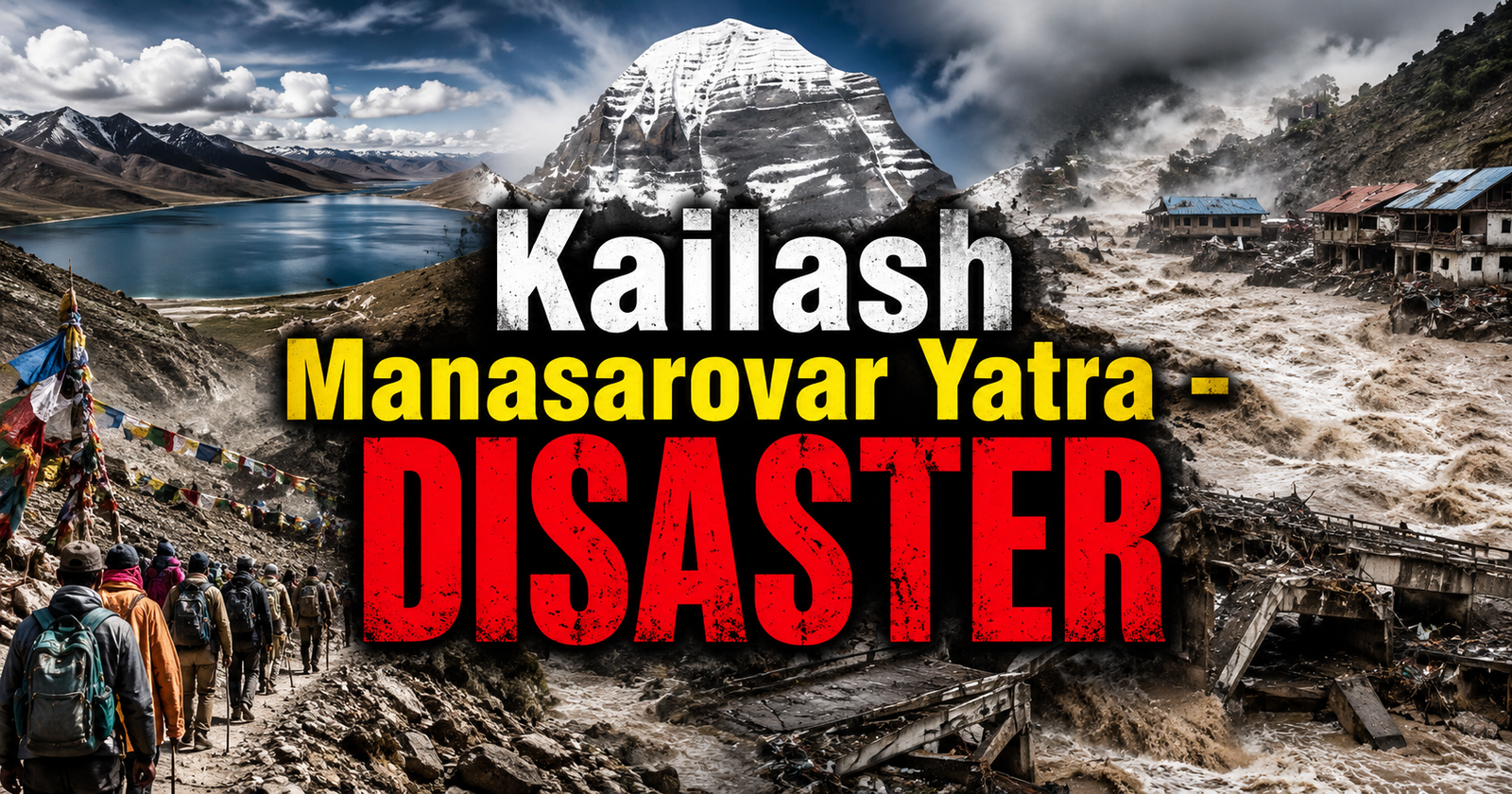
Explore the Kailash–Mansarovar region through its geography, mythology, pilgrimage routes, tectonic activity and Himalayan disasters, highlighting flash floods, GLOFs, climate vulnerability and the need for resilient disaster management.
Syllabus Areas:
GS I - Geography
GS III - Environment and Disaster Management
Points To Be Covered:
- Why is it in News?
- Key Terminology Related to Manasasarovar Yatra
- The Topography of the Kailash Mansarovar Yatra, Plate Tectonics & Geographical Activity In This Area and Major Disasters in the Kailash–Mansarovar Region
- Mythological History of Kailash–Mansarovar and Travel route to reach the Kailash–Manasarovar Routes and Mount Kailash Parikrama / Kora
- From Salt & Wool to EVs: The Changing Face of Rasuwagadhi
Watch Video On Manasasarovar Major Disaster:
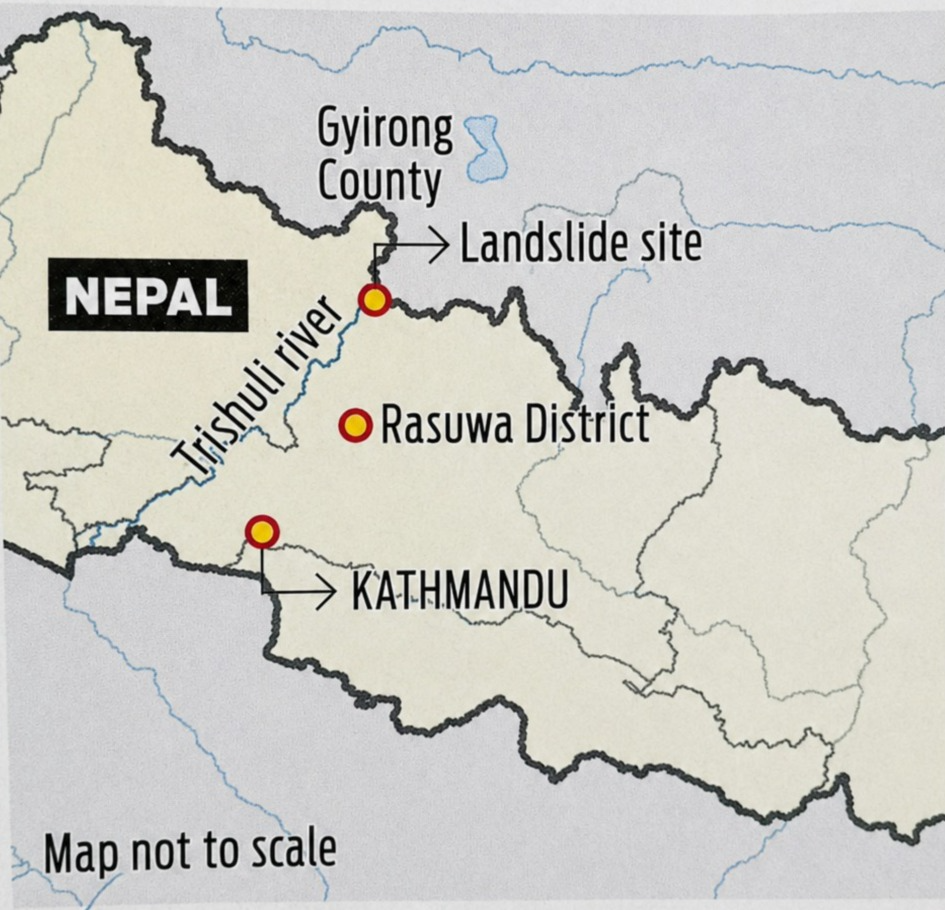
On 26 August 2026, an unprecedented flash flood and mudslide struck the Nepal–Tibet border, sending water levels surging nearly 30 feet and killing at least 160 people. The disaster tore through the Bhote Koshi and Trishuli river valleys, sweeping away settlements, hydropower infrastructure and parts of the pilgrim route, while hundreds remained missing, including scores of Kailash Mansarovar pilgrims from India.
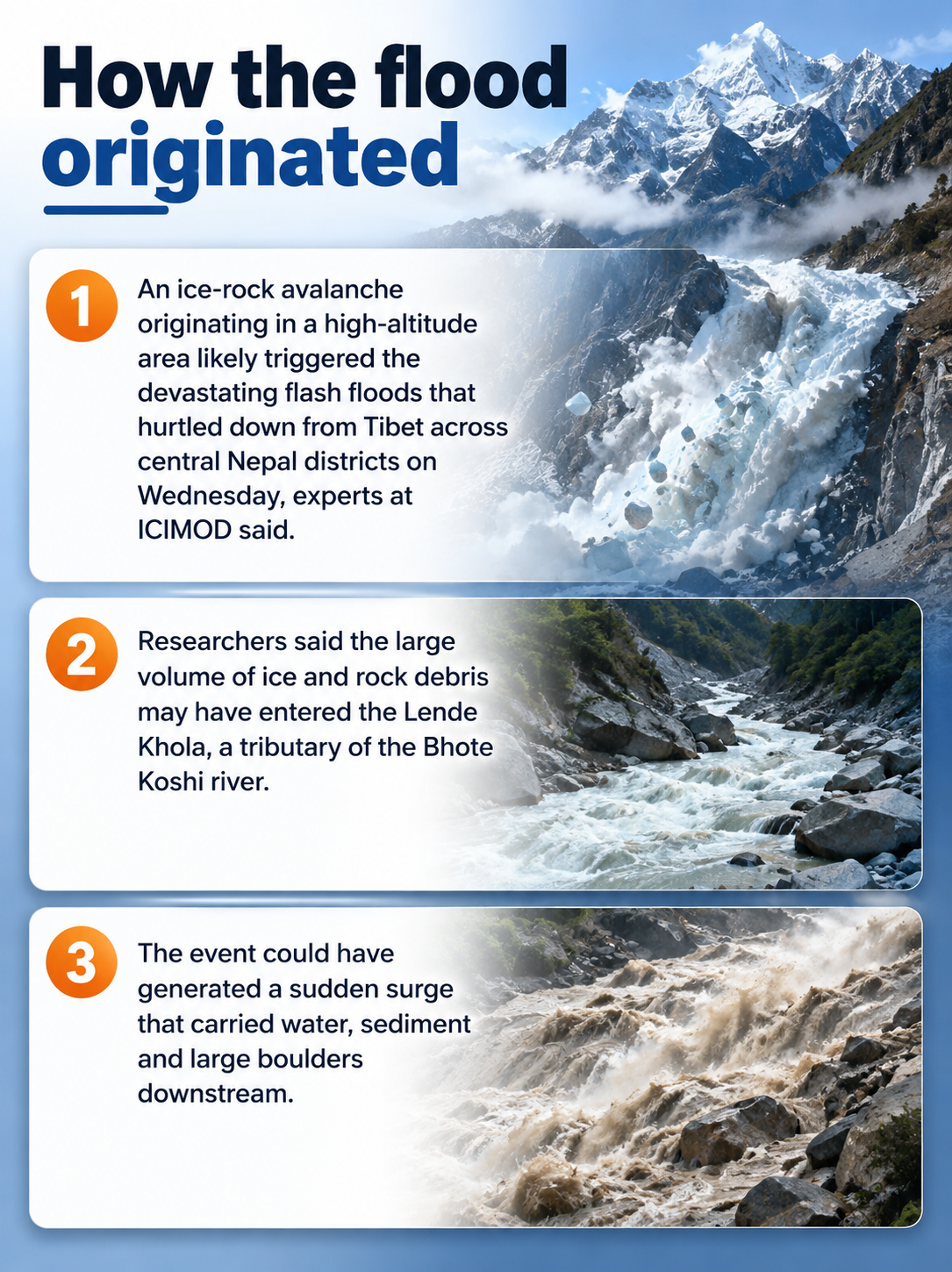
Click Here To Know The Key Terminology Related to This:
Click Here To Know The Topography of the Kailash Mansarovar Yatra
Click Here To Read About Mythological History of Kailash–Mansarovar and
Travel route to reach the Kailash–Manasarovar region
The Government of India currently organizes the Kailash Manasarovar Yatra through two routes: Lipulekh Pass (Uttarakhand) and Nathu La Pass (Sikkim). In 2026, the official durations are approximately 22 days via Lipulekh and 21 days via Nathu La.
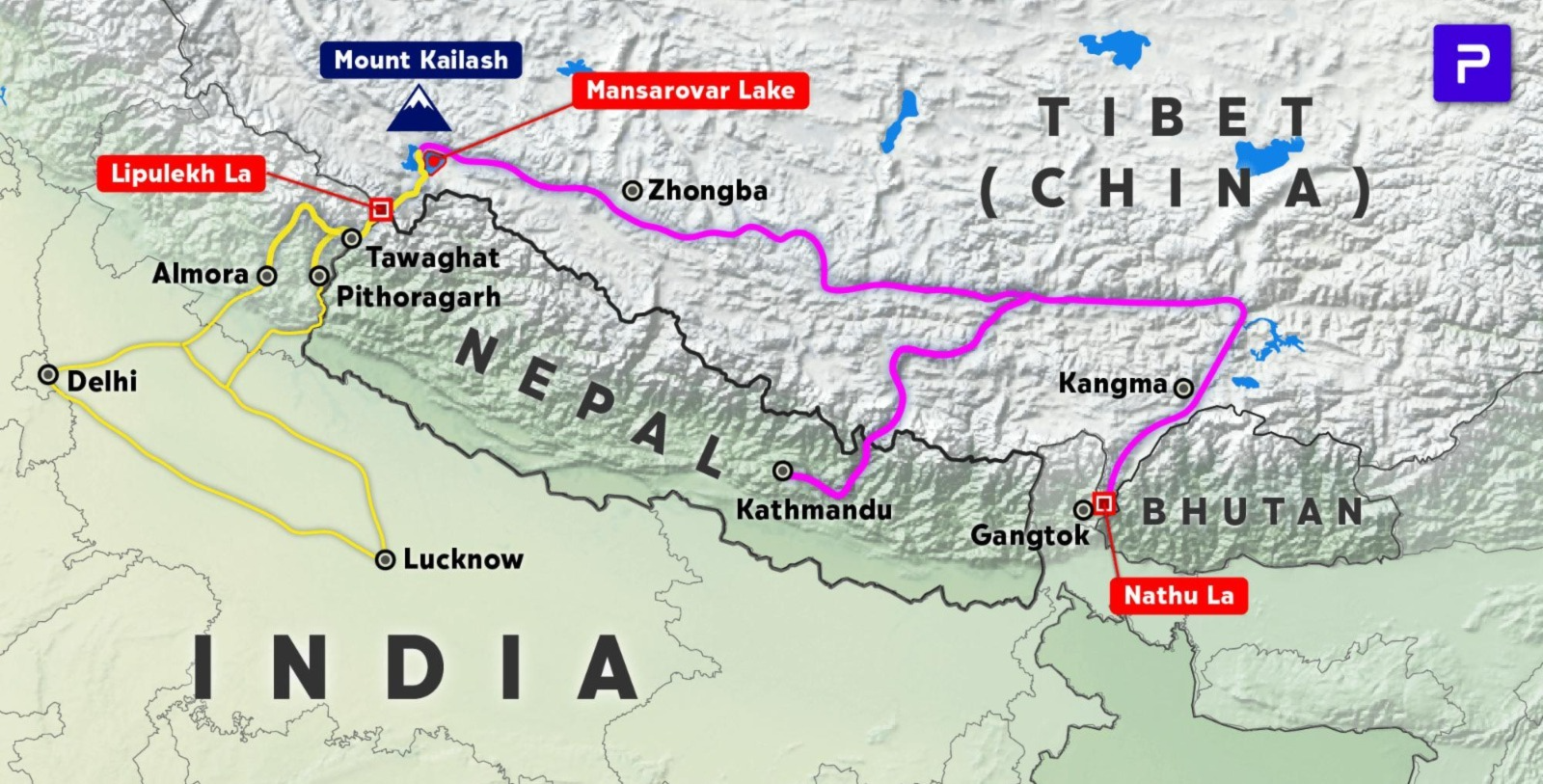
Click Here To Read More About Routes and Mount Kailash Parikrama / Kora
UPSC angle: The map can effectively illustrate the intersection of Himalayan geography + pilgrimage tourism + transboundary rivers + India–China relations + disaster vulnerability + climate change. The recent resumption of the Yatra also makes it a useful contemporary example
Also Read About From Salt & Wool to EVs: The Changing Face of Rasuwagadhi
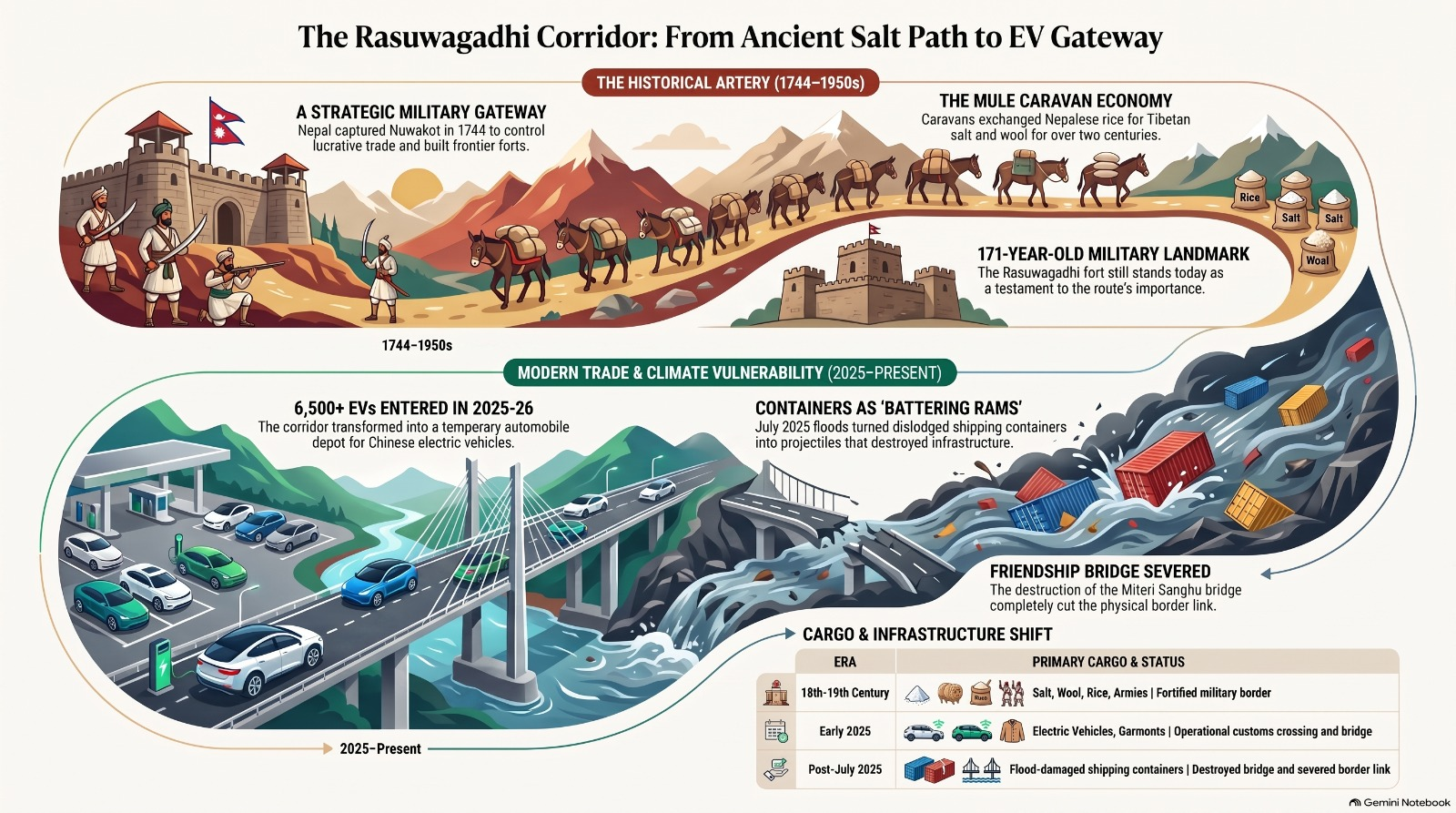
The Kailash–Mansarovar tragedy highlights Himalayan vulnerability to climate and geological hazards, underscoring the need for early warnings, resilient infrastructure, sustainable pilgrimage management, environmental protection and transboundary disaster cooperation.