Uranium Mining in Meghalaya
Syllabus Areas:
GS II - Governance
GS III - Environment
The Union Environment Ministry recently issued an Office Memorandum (OM) exempting the extraction of atomic, critical, and strategic minerals—including uranium—from mandatory public consultations under environmental clearance procedures. This decision has reignited opposition in Meghalaya, where Khasi groups have resisted uranium mining projects since the 1980s.
- India’s pursuit of energy security and strategic minerals often clashes with the rights of indigenous and tribal communities.
- Uranium mining, considered crucial for nuclear energy and defence, remains one of the most contested issues.
- The latest exemption bypasses procedural safeguards and undermines democratic participation, raising serious questions about constitutional protections, environmental justice, and long-term governance.
Background
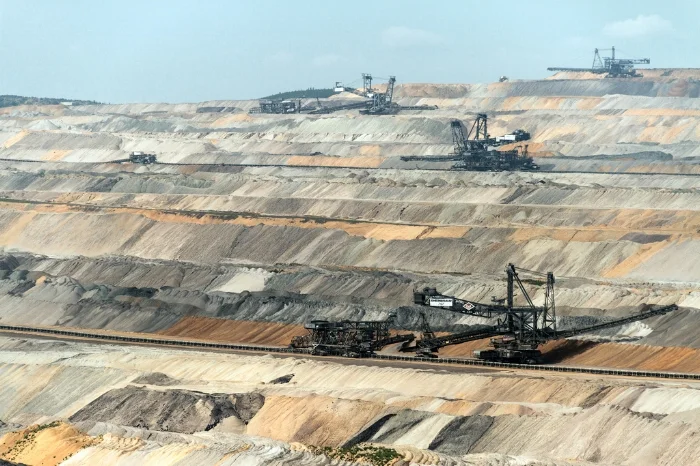
- Meghalaya Deposits: Uranium reserves in Domiasiat and Wahkaji are among the largest in India. Exploration has faced sustained resistance from Khasi communities for over four decades.
- Past Experiences: In Jharkhand’s Singhbhum district, decades of uranium extraction led to allegations of radiation exposure, displacement, and neglect of local concerns. Public hearings were often tokenistic, with notices in unfamiliar languages and objections dismissed.
- Sixth Schedule Protections: The Khasi Hills Autonomous District Council, empowered under the Sixth Schedule of the Constitution, has the authority to safeguard tribal land and rights. Ignoring this undermines federal and constitutional safeguards.
- Global Norms: International frameworks mandate free, prior, and informed consent (FPIC) for projects affecting indigenous communities—a principle India risks bypassing.
Concerns Over the OM
- Erosion of Safeguards:
- OMs are executive instruments without parliamentary scrutiny.
- By removing public consultations, affected communities are reduced to bystanders in decisions impacting their lives and lands.
- Environmental Challenges
- Radioactive pollution: Risks of radiation exposure to soil, water, and air.
- Irreversible damage: Uranium mining scars the landscape permanently.
- Biodiversity loss: Meghalaya’s fragile ecosystems face long-term degradation.
- Health and Safety Concerns
- Local populations in Jharkhand’s Singhbhum have reported radiation-related illnesses.
- Poor medical safeguards and lack of transparency worsen risks.
- Mining workers are highly vulnerable due to inadequate protective measures.
- Tribal Rights and Autonomy
- Khasi tribes enjoy protections under the Sixth Schedule, which empowers local councils.
- Mining without free, prior, and informed consent (FPIC) violates constitutional and global norms.
- Perception of tribal lands as “resource frontiers” deepens alienation.
- Socio-economic Challenges
- Displacement of communities with inadequate rehabilitation.
- Loss of traditional livelihoods such as farming and forest-based activities.
- Benefits of mining (royalties, jobs) rarely reach local populations.
- Strategic vs. Ethical Dilemma
- Uranium is vital for nuclear energy and defence, but national security is being pitched against tribal rights.
- Overemphasis on uranium undermines exploration of alternatives (renewables, other mineral substitutes).
- Precedent for Mining Governance
- Exemptions could extend beyond uranium, reshaping how mining is governed across India.
- Sets a trend of centralisation at the cost of state and local authority.
- Dangerous Precedent:
- Exempting uranium could extend to other minerals, reshaping mining governance across India.
- It strengthens perceptions of tribal areas as “resource frontiers” for the rest of the country.
Possible Responses
- Legal Challenge: Communities may contest the OM’s validity, invoking precedents like Niyamgiri (2013), and protections under the Fifth and Sixth Schedules.
- Policy Correction: The Ministry should withdraw the OM to restore safeguards and credibility.
- Dialogue over Coercion: Past experiences show that force may achieve short-term compliance but fuels long-term resentment and instability.
- Alternative Approaches: Explore other uranium deposits, substitutes, or diversify power-generation strategies beyond nuclear reliance.
The Centre’s decision to exempt uranium mining from public consultation sets a troubling benchmark in India’s resource governance. While national security and energy needs are important, they cannot override constitutional protections, environmental safeguards, and the rights of tribal communities. A dialogue-driven, rights-respecting, and environmentally conscious approach is the only sustainable path. Coercion may secure resources, but it will deepen alienation and erode trust in democratic institutions.
Prelims Questions:
1. The Sixth Schedule of the Indian Constitution primarily deals with:
- Rio Declaration
- UN Declaration on the Rights of Indigenous Peoples
- Convention on Biological Diversity
- Paris Agreement
2. Which of the following principles under international law emphasises Free, Prior, and Informed Consent (FPIC) of indigenous communities before projects affecting their lands?
- Administration of Union Territories
- Protection of linguistic minorities
- Administration of tribal areas in the Northeast
- Distribution of revenues between Centre and States
3. Which precedent from the Supreme Court upheld tribal rights by rejecting mining in a Scheduled Area without their consent?
- Kesavananda Bharati Case (1973)
- Samata Judgment (1997)
- Niyamgiri Case (2013)
- Godavarman Case (1996)
Mains Questions:
- Uranium mining in Meghalaya has become a flashpoint between national security imperatives and tribal rights. Discuss the challenges it poses to environmental safeguards and democratic governance. (250 words)