Threats to India’s Soil Health
Syllabus Areas:
GS III - Environment and Ecology
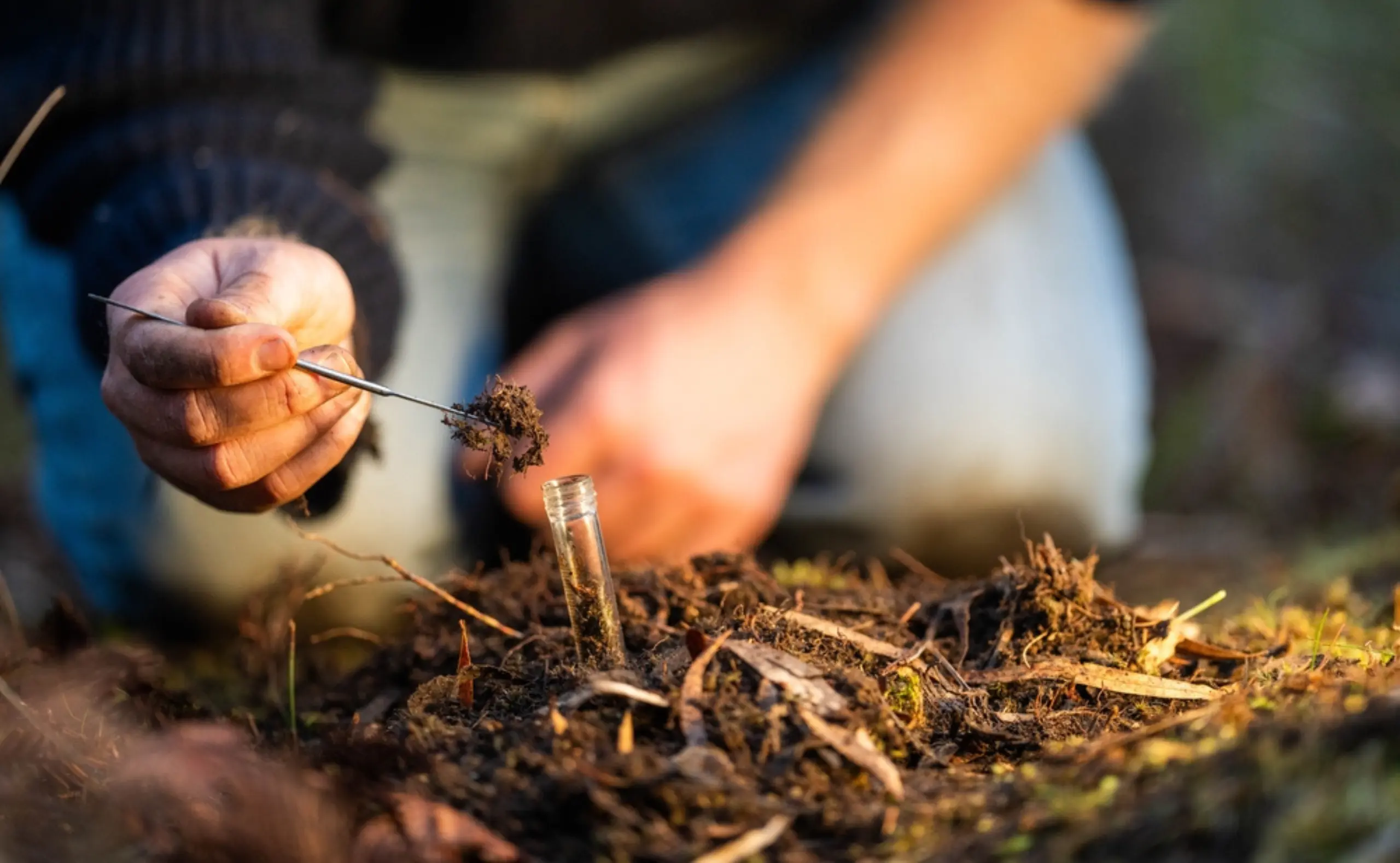
Soil is not merely a layer of earth—it is the silent custodian of human civilization. From feeding populations to anchoring ecosystems, soil has been the foundation of life, agriculture, and even cultural identity. In the Indian context, soil is not only a physical resource but also a spiritual and cultural entity, often revered in traditional practices.
Cultural and Philosophical Context of Soil in India
- Sacred Status of Soil
In Indian culture, soil is not inert. It is seen as Bhoomi Devi (Earth Goddess), symbolizing fertility, patience, and strength. Traditional rituals such as “Bhumi Pujan” before construction show reverence for soil.
- Folk and Scriptural References
From Vedic literature to rural songs, Indian tradition has always acknowledged soil as a giver of life. Agricultural festivals celebrate the soil’s bounty, and farming is treated as a sacred duty.
Present Challenges to Soil Health
- Degradation due to Unsustainable Practices
- Modern agricultural practices, especially the overuse of chemical fertilizers and pesticides, have severely impacted the quality of soil. These substances alter the natural composition, reduce microbial activity, and eventually strip the soil of its fertility.
- Urbanization and Land Misuse
- Construction, mining, and urban sprawl are major contributors to the physical degradation of soil. Soil sealing (covering land with concrete/asphalt) reduces its ability to absorb water, affecting its natural regeneration cycle.
- Erosion and Nutrient Depletion
- Soil erosion—caused by wind, water, and human interference—washes away the top fertile layer, essential for plant growth. This, combined with nutrient mining (excessive crop extraction without replenishing nutrients), leads to long-term damage.
Government Initiatives to Restore Soil Health
- Soil Health Card Scheme (2015)
- Under this initiative, farmers receive a report on their soil's nutrient status every two years. It provides specific recommendations for nutrient management, enabling rational fertilizer use and reducing input costs. It also empowers farmers with scientific data about their land.
- Paramparagat Krishi Vikas Yojana
- This scheme supports organic farming by combining traditional knowledge with modern techniques. It encourages group farming, use of bio-inputs, and discourages synthetic fertilizers, thereby improving soil biodiversity and sustainability.
- National Mission for Sustainable Agriculture (NMSA)
- Focused on climate-resilient farming, NMSA promotes resource conservation, efficient irrigation, and soil moisture preservation. Its components include integrated nutrient management and capacity building for farmers.
Role of Farmers and Citizens in Soil Conservation
- Adoption of Sustainable Agricultural Practices
- Farmers must move towards techniques like crop rotation, intercropping, minimum tillage, green manuring, and composting. These improve soil structure, moisture retention, and biodiversity.
- Community Engagement and Awareness
- Communities must be sensitized to treat soil as a living system. School curricula, village campaigns, and digital awareness can help inculcate this mindset.
- Urban Responsibility
- Urban citizens must understand the impact of construction waste, pollution, and water mismanagement on soil. Practices like rooftop gardens, rainwater harvesting, and composting can help restore urban soil ecosystems.
Just as a nation values its minerals, forests, and rivers, soil deserves similar attention. Policies, science, and civil participation must work together. Protecting the soil is not just an environmental need—it is vital for food security, climate resilience, and intergenerational equity.