The High Seas Treaty (UN Agreement on Marine Conservation)
The High Seas Treaty, formally known as the UN Agreement on Marine Biodiversity Beyond National Jurisdiction (BBNJ), is a landmark international agreement aimed at protecting marine biodiversity in areas beyond national jurisdiction (ABNJ). These regions, also called the high seas, cover approximately 64% of the world’s oceans and are home to diverse marine ecosystems. However, until this treaty, these areas had no comprehensive legal framework for conservation and sustainable use, leaving them vulnerable to overfishing, pollution, and climate change.
This treaty was adopted by the United Nations on June 19, 2023, after nearly two decades of negotiations, with the aim of establishing a legal framework for managing and conserving marine biodiversity beyond national borders. It plays a crucial role in global conservation efforts, particularly in achieving the 30x30 goal—protecting 30% of the world’s oceans by 2030.
Why Is the High Seas Treaty Needed?
Historically, the high seas have been governed by the United Nations Convention on the Law of the Sea (UNCLOS, 1982), which defined national maritime boundaries and economic zones but lacked specific provisions for biodiversity protection in international waters. The High Seas Treaty was necessary because:
- The high seas are unregulated—governed by fragmented laws with no single authority ensuring biodiversity protection.
- Overfishing and Illegal, Unreported, and Unregulated (IUU) Fishing are major threats, depleting fish stocks and destroying ecosystems.
- Deep-sea mining and industrial activities pose risks to fragile marine environments.
- Climate change and ocean acidification threaten marine biodiversity, including coral reefs and fish populations.
- Marine genetic resources (MGRs), which have pharmaceutical, industrial, and biotechnological applications, were being exploited with no fair benefit-sharing system.
The treaty provides a legal framework to fill these gaps and ensure that the high seas are used sustainably while conserving biodiversity.
Key Provisions of the High Seas Treaty
The treaty includes four major pillars that regulate human activities and enhance conservation in the high seas:
- Establishment of Marine Protected Areas (MPAs)
- The treaty enables the creation of legally binding marine protected areas (MPAs), which serve as sanctuaries where activities like deep-sea mining, fishing, and drilling may be restricted.
- This is critical to preserving biodiversity hotspots, such as seamounts, hydrothermal vents, and deep-sea coral reefs.
- It supports the 30x30 goal—protecting 30% of the ocean by 2030.
- The treaty establishes a framework for scientific monitoring and management of MPAs.
- Environmental Impact Assessments (EIAs)
- Mandatory environmental impact assessments (EIAs) must be conducted before any large-scale commercial activities (like deep-sea mining, oil drilling, or large-scale fishing) can take place in international waters.
- This ensures that projects do not harm marine ecosystems.
- Countries proposing industrial activities must provide transparent environmental impact data.
- Equitable Sharing of Marine Genetic Resources (MGRs)
- Marine species in the deep sea produce unique biochemical compounds used in medicine, biotechnology, and other industries.
- The treaty ensures that benefits derived from marine genetic resources (MGRs) are shared equitably among all nations, particularly developing countries.
- A system for fair access to MGRs, including profit-sharing from pharmaceutical and technological discoveries, will be established.
- Capacity Building and Technology Transfer
- The treaty requires developed nations to help developing countries by:
- Providing scientific training and funding.
- Sharing marine research technology.
- Supporting marine conservation initiatives in the Global South.
- Governance and Compliance
- A Conference of the Parties (COP) will oversee the treaty's implementation and governance.
- The treaty allows for international cooperation in monitoring and enforcing conservation regulations.
- Compliance mechanisms are still being developed, as enforcement in the vast, unregulated high seas remains a challenge.
The Importance of the High Seas Treaty
The High Seas Treaty represents a historic milestone in international ocean governance. It establishes a global framework for protecting marine biodiversity beyond national jurisdiction, ensuring sustainable ocean use, and promoting equity in the benefits derived from marine resources. The treaty's impact spans across environmental, economic, and scientific domains, making it one of the most significant conservation agreements of the 21st century.
Protection of Marine Biodiversity
Why It Matters:
- The high seas cover over 60% of the world's oceans and support 90% of global marine life.
- They contain rich biodiversity, including deep-sea corals, whales, sharks, and migratory fish species.
- Without international regulations, these ecosystems face overfishing, pollution, climate change, and habitat destruction.
How the Treaty Helps:
Creation of Marine Protected Areas (MPAs)
- Establishes legally binding MPAs in international waters.
- Protects key ecosystems that serve as breeding and feeding grounds for marine life.
- Helps restore populations of endangered species like sea turtles, tuna, and sharks.
Regulation of Industrial Activities
- Limits harmful human activities such as deep-sea mining, oil drilling, and excessive trawling.
- Introduces mandatory Environmental Impact Assessments (EIAs) before conducting large-scale ocean activities.
Conservation of Migratory Species
- Many species (e.g., whales, tuna, sea birds) migrate across international waters.
- Without regulation, these species are at risk of overexploitation.
- The treaty ensures that no single nation can deplete migratory populations.
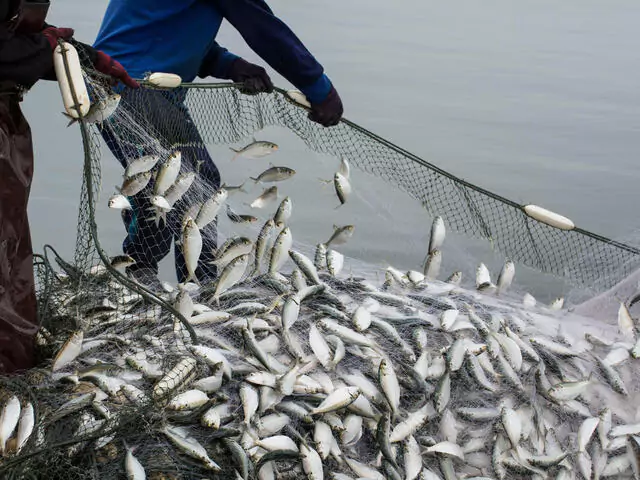
Combating Overfishing and IUU Fishing
The Problem:
- Overfishing threatens the balance of marine ecosystems.
- Illegal, Unreported, and Unregulated (IUU) fishing costs the global economy up to $23.5 billion per year.
- Lack of governance in the high seas allows countries and corporations to exploit fish stocks without accountability.
How the Treaty Helps:
Global Monitoring and Enforcement
- Strengthens international cooperation to track and penalize illegal fishing.
- Countries must report fishing activities and adhere to quotas.
Better Management of Fish Stocks
- Ensures that commercial fishing does not deplete key species.
- Protects long-living, slow-reproducing species like sharks, tuna, and deep-sea fish.
- Prevents fishing in sensitive breeding and spawning areas.
Transparency in Fishing Practices
- Requires clear reporting of commercial fishing activities.
- Helps combat “ghost fishing”—lost or abandoned fishing gear that continues to trap marine life.
Climate Change and Ocean Health
The Role of Oceans in Climate Regulation:
- The oceans absorb approximately 30% of global CO₂ emissions, helping regulate climate.
- Plankton and seagrasses absorb massive amounts of carbon, acting as natural carbon sinks.
- Rising ocean temperatures and acidification threaten coral reefs, fish populations, and global weather patterns.
How the Treaty Helps:
Marine Protection = Climate Protection
- Protecting marine ecosystems, especially kelp forests, mangroves, and deep-sea ecosystems, enhances carbon sequestration.
- Limits activities that contribute to ocean acidification and rising sea temperatures.
Regulating Deep-Sea Mining & Oil Drilling
- Deep-sea mining disrupts ocean floors, releasing stored carbon and damaging biodiversity.
- The treaty places restrictions on destructive industrial activities that contribute to climate instability.
Protecting Marine Food Chains
- Climate change is disrupting fish populations, pushing many species to new habitats.
- By establishing MPAs, the treaty ensures that marine food webs remain stable.
Global Justice and Equity
The Problem:
- Developed nations, corporations, and pharmaceutical companies have been profiting from marine genetic resources (MGRs)—without sharing the benefits.
- Many marine species have unique genetic compounds that could be used in medicine, biotechnology, and food production.
- Poorer nations, despite their ocean dependency, have limited access to marine research and technologies.
How the Treaty Helps:
Fair Access to Marine Genetic Resources
- Establishes a benefit-sharing mechanism so all nations, not just wealthy ones, benefit from discoveries made in the high seas.
- Ensures that profits from marine biotechnology (e.g., pharmaceuticals) are equitably distributed.
Capacity Building for Developing Countries
- Provides funding, training, and technology transfer to help developing nations participate in ocean conservation.
- Strengthens their ability to monitor, protect, and sustainably use marine resources.
Strengthening Indigenous and Local Communities
- Many coastal and indigenous communities rely on marine biodiversity for food and livelihoods.
- The treaty recognizes traditional ocean knowledge and integrates it into conservation efforts.
Advancing Scientific Research
Why Science Matters in Ocean Conservation:
- The deep ocean remains one of the least explored ecosystems on Earth.
- Marine organisms hold the potential for new medicines, sustainable food sources, and climate solutions.
- Scientific research on the high seas is costly and requires international collaboration.
How the Treaty Helps:
Encourages Open-Source Marine Research
- Promotes global scientific cooperation on ocean studies.
- Ensures that research findings are shared openly instead of being monopolized by private companies.
Better Access to Deep-Sea Ecosystems
- Funds expeditions and studies in underexplored marine regions.
- Supports research on deep-sea corals, hydrothermal vents, and marine microorganisms.
Data Sharing and Environmental Monitoring
- Establishes global databases for ocean data collection.
- Provides real-time tracking of marine biodiversity health.