Special Intensive Revision (SIR) of Voter Rolls
Syllabus Areas:
GS II - Polity
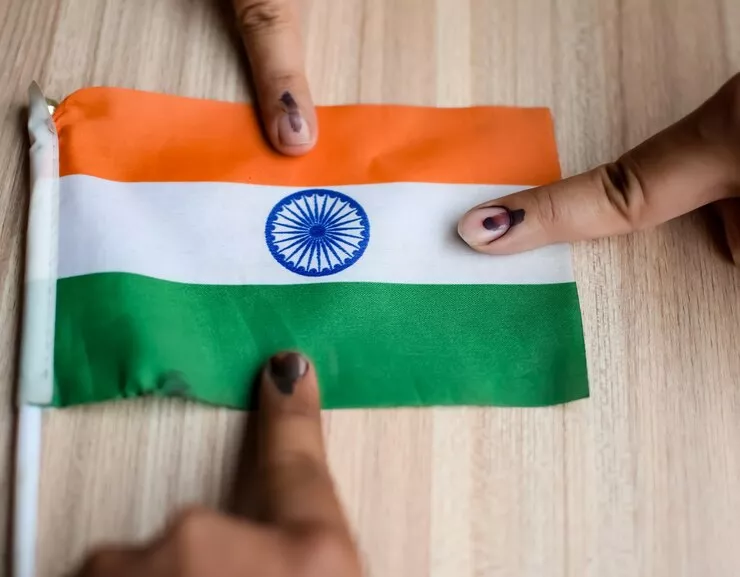
The Election Commission of India (ECI) has launched a Special Intensive Revision (SIR) of Bihar’s electoral rolls, the first such exercise since 2003, targeting around 80 million voters. Voters not in the 2003 list must submit one of 11 specific documents—excluding commonly used IDs like Aadhaar, voter ID, or ration cards. Many migrants, marginalized groups, and those without property deeds or caste certificates may be excluded.
Why This is Explosive
- Opposition (RJD‑led INDIA bloc) alleges the SIR is designed to disenfranchise vulnerable voters—especially Muslims, Dalits, OBCs, and migrants—in sensitive areas like Seemanchal, where minorities comprise nearly half the population.
- Critics point to the timing—during monsoon season and closed to election day—as unreasonably rushed, making compliance impractical for many.
Supreme Court & Legal Developments
- The Supreme Court agreed to hear multiple petitions and raised concerns about the timing and fairness of SIR, scheduling hearings on July 10 and July 28, 2025.
- The court suggested that the EC should accept Aadhaar, voter ID, and ration cards—contrary to EC’s earlier refusal.
Broader Electoral Themes
Besides the SIR, Bihar’s political and electoral tensions are shaped by multiple structural issues:
- Unemployment & Migration: Persistent lack of jobs keeps millions away from Bihar. Migration, especially seasonal, remains high, and political parties are promising job creation, but change is slow.
- Caste & Identity Politics: Traditional vote blocs—such as the Yadav-Muslim base of RJD and upper-caste/NDA support—are under pressure as OBC and Dalit groups demand stronger representation. New players like the Jan Suraaj Party led by Prashant Kishor may unsettle existing alignments.
- Governance, Infrastructure & Public Services: Voters are concerned with poor health, education, and school facilities; weak infrastructure; and recurring disasters like floods. These remain key electoral battlegrounds
Why This Matters
- Even the deletion of a few lakh voters can tip electoral outcomes in tightly contested constituencies.
- The SIR controversy is a structural test of democracy: whether the process is a valid electoral clean-up, no more than that—or a tool for political marginalization.
- The Supreme Court’s decisions between now and late July 2025 will significantly impact voter inclusion policies and the broader fairness of polling.
Strengths and Weaknesses of the EC’s Action
Positive Aspects:
- Purification of electoral rolls is essential for democracy to remove fake or duplicate entries.
- Technology and transparency in the revision process were mentioned as goals, aligning with past reforms.
Concerns and Criticism:
- Asking voters to provide proof of citizenship, when voter ID is already government-issued, may violate natural justice.
- Risks voter suppression, especially in rural, poor, and less literate populations.
- May violate the Representation of People Act (1950), which does not require proof of citizenship beyond the voter declaration.
Comment – Underlying Questions and Opinion
- The issue poses a vital question:
“In a country where citizenship documents are issued by the government, should the EC go beyond those and demand additional proof?” - The answer depends on the balance between electoral integrity and inclusive participation.
- Given India’s diversity, any deviation from time-tested procedures (without broad consultation) can erode democratic legitimacy.
Illustrate – Past Lessons
- Assam NRC experience serves as a cautionary tale, where documentation confusion led to humanitarian and legal crises.
- Voter deletions in Telangana (2018) and Andhra Pradesh have also been contested in courts for lack of due process.
The EC must tread carefully. While maintaining clean electoral rolls is essential, this must not come at the cost of disenfranchisement. A transparent, inclusive, and rights-based approach is needed. Any suspicion of targeting or exclusion can damage public trust in the electoral process, especially before a crucial election.