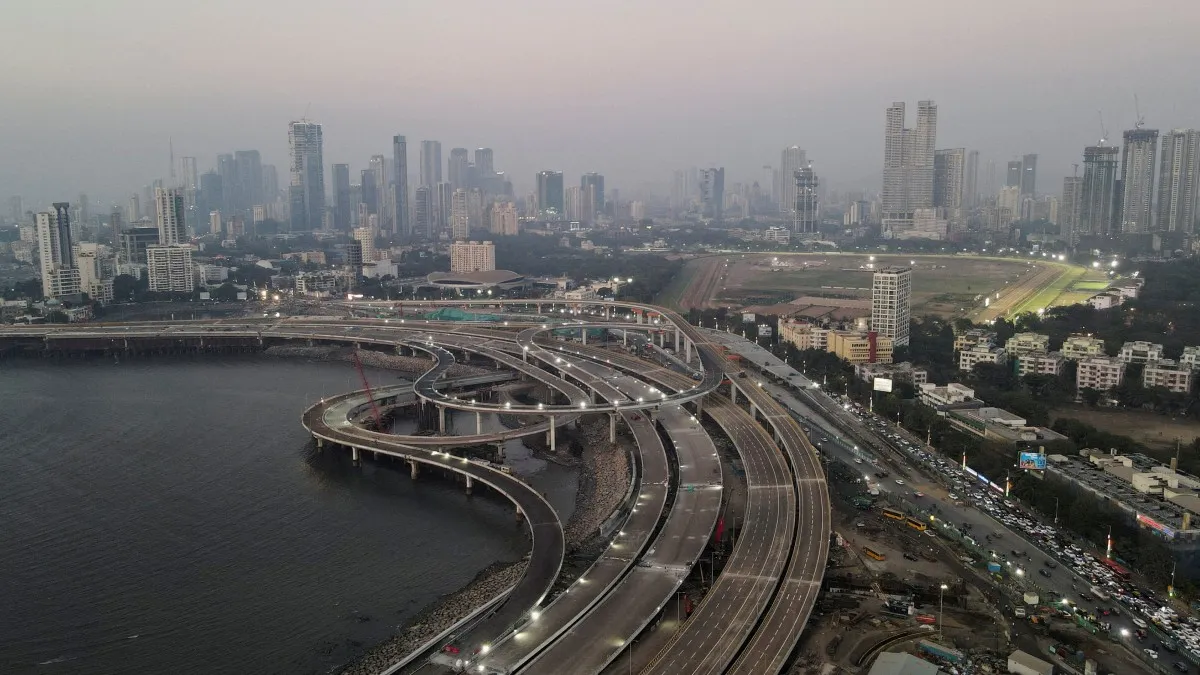
Smart Cities Mission (2024 Progress Report): Digital Governance, Urban Planning & Public Transport
The Smart Cities Mission (SCM), launched by Prime Minister Narendra Modi on June 25, 2015, is a transformational urban development initiative aimed at modernizing India’s cities with sustainable infrastructure, digital governance, and smart mobility solutions. The mission follows a two-pronged approach:
- Area-Based Development (ABD): Focus on improving a selected area in a city through retrofitting, redevelopment, and greenfield development.
- Pan-City Solutions: Implementing smart technology across the entire city, such as intelligent traffic management, e-governance, and waste management.
Overview of the Smart Cities Mission (SCM)
- Launched: 25 June 2015 by Prime Minister Narendra Modi.
- Objective: Transform 100 cities into economically vibrant, inclusive, and sustainable urban hubs through smart solutions.
- Progress (as of July 2024):
- 91% projects completed: 7,188 out of 8,000+ projects worth ₹1.44 lakh crore.
- Remaining projects: 830 projects (10%) worth ₹19,926 crore to be completed by March 2025.
- Central funding: ₹48,000 crore allocated; 97% (₹46,585 crore) released, with 93% utilization.
SMART CITIES MISSION: 2024 PROGRESS OVERVIEW
Current Status (December 2024)
- 91% of total projects completed (7,380 out of 8,075 projects).
- ₹1.47 Lakh Crore invested so far, out of ₹1.65 Lakh Crore allocated.
- Mission extended till March 2025 to complete the remaining 10% projects.
- 100 Smart Cities operational with integrated digital infrastructure.
Key Achievements
- Digital Governance
- Integrated Command and Control Centres (ICCCs)
- 100% operational in all 100 cities.
- Technologies used: AI, IoT, and Data Analytics...
- COVID-19 role: Functioned as war rooms...
- Public Safety & Surveillance
- 83,000+ CCTV cameras installed.
- 1,884 emergency call boxes and 3,000+ PA systems.
- Smart Governance Tools
- SCADA systems monitor 17,000+ km...
- RFID-enabled waste vehicles: 9,000+ tracked.
- Integrated Command and Control Centres (ICCCs)
- Improved Urban Planning
- Area-Based Development (ABD)
- Retrofitting: Sai'ee Burhani, Mumbai
- Redevelopment: East Kidwai Nagar, Delhi
- Greenfield: GIFT City, Gujarat
- Pan-City Initiatives
- Smart Roads: 1,700+ km with ducts
- Vibrant Public Spaces
- 1,300+ parks & waterfronts revitalized
- 318 km waterfront development in 62 cities
- Social Infrastructure
- 9,400+ smart classrooms & 40 libraries
- 172 e-health centers & 155 ATMs
- Area-Based Development (ABD)
- Public Transport & Mobility
- Intelligent Transport Management System (ITMS)
- Monitored via ICCCs in 35 cities.
- Smart roads: 4,700+ km upgraded with IoT-enabled traffic management.
- Sustainable Mobility Initiatives
- Cycles4Change: 23,000 bicycles, 580 km tracks
- Streets4People: Redesigns streets for pedestrians and non-motorized transport.
- Mass Transit Enhancements
- 1,500+ buses, 2,000+ smart bus stops
- Transport4All Challenge: Supports startups in public transport innovation.
- Intelligent Transport Management System (ITMS)
- 17,026 km of smart water pipelines with SCADA
- Smart water meters deployed
- 48 cities monitor waste via ICCCs
- 9,000+ RFID garbage vehicles
- 16 lakh LED streetlights
- Solar in 50+ cities
- Social Infrastructure: Education, Health, & Public Spaces
- Education & Digital Learning
- 9,433 smart classrooms
- 38 Digital Libraries, 1,600+ Anganwadis
- Healthcare Innovations
- 172 e-health centers, 155 Health ATMs
- 155 Health ATMs installed for remote diagnostics.
- Public Spaces & Sustainable Urban Development
- 1,200+ renewal projects
- 318 km of waterfronts developed
- 484 heritage monuments restored
- Education & Digital Learning
Water, Waste Management & Sustainable Energy
Smart Water Supply & Sanitation (WASH)
Solid Waste Management
Smart Energy

ECONOMIC GROWTH & EMPLOYMENT
Business Incubation & Startups
- 17 business incubation centers
- 20,000+ vendors & startups supported through Smart City projects.
Affordable Housing & Urban Shelters
- 49,300 housing units built, including hostels & night shelters.
- Smart City-driven real estate projects introduced.
Challenges
- Project Delays:
- Causes: Land acquisition issues, legal disputes, resource shortages in smaller cities.
- Mitigation: Mission extended to March 2025 for pending projects.
- Funding Constraints:
- Public-Private Partnerships (PPP): Only 199 projects (₹9,200 crore) leveraged private investment.
- Technological Adoption:
- Limited expertise in emerging technologies (e.g., AI, IoT) in smaller municipalities.
| Challenges | Solutions Implemented |
|---|---|
| 10% pending projects | Mission extended till March 2025 |
| Financing & Budget Constraints | ₹9,200 crore raised via PPP models |
| Land Acquisition Delays | State-level interventions & direct citizen engagement |
| Integration of AI & IoT | Training urban bodies for digital governance |
| Environmental Concerns | Promoting EV adoption, solar power, green spaces |
Way Forward
- Complete Pending Projects: Focus on 830 remaining projects by March 2025.
- Expand PPP Models: Attract private sector investment for sustainable urban infrastructure.
- Capacity Building: Train municipal staff in smart technologies and data analytics.
- Scalability: Replicate successful models (e.g., ICCCs, smart classrooms) in non-SCM cities.
The Smart Cities Mission has transformed urban India through digital governance, inclusive planning, and sustainable mobility. With 91% projects completed, cities like Ujjain (Mahakal Lok Corridor) and Lucknow (Charbagh Station redevelopment) exemplify the mission’s success. As the deadline extends to 2025, the focus remains on delivering last-mile connectivity and ensuring the mission’s legacy as a blueprint for future urban development.