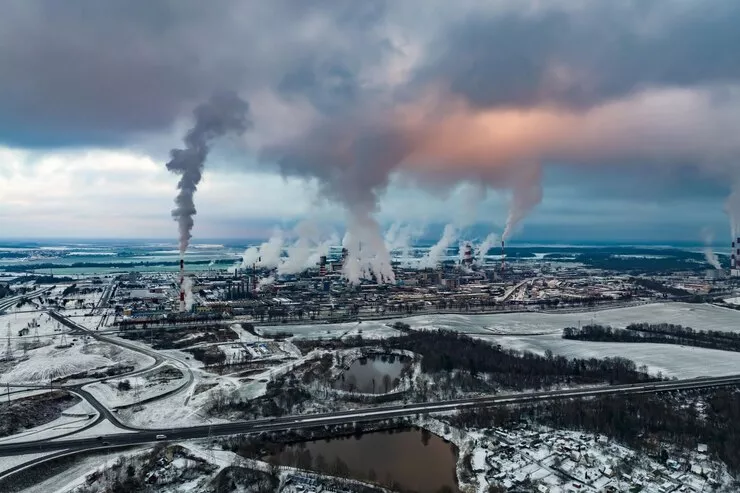
Siberia to Chernobyl: Environmental History
Syllabus Areas:
GS III - Environment and Ecology
Russia’s vast landscapes — stretching from the Baltic Sea to the Pacific Ocean — have long shaped, and been shaped by, human ambition. From the modernising zeal of Tsarist rulers to the industrial drive of the Soviet Union and the climate realities of today, the country’s environmental history offers lessons on the tension between development and conservation.
The key turning points in Russia’s environmental journey:
- The industrialisation of remote regions,
- Shifting attitudes towards nature
- The legacy of Chernobyl, and
- The unique role of Siberia and its indigenous peoples.
Recent Earthquake:
Far to Russia’s east lies Kamchatka — a remote, volcanic, and sparsely populated region. It is geologically active, with an offshore fault that produces occasional earthquakes. Unlike most of Russia, Kamchatka’s ecosystems remain largely pristine thanks to its isolation.
From Tsarist Ambition to Soviet Vision
Imperial Russia viewed nature primarily as a resource to be conquered and exploited for economic growth. This mindset carried into the Soviet era, but with a socialist twist.
The USSR’s leaders claimed to reject capitalist exploitation, aiming to balance resource use with sustainability through rational planning. Two impulses drove policy:
- The desire to dominate and control the natural world.
- The ideal of using nature while allowing it to flourish.
In practice, industrial growth outweighed environmental concerns. Soviet conservation laws were extensive but rarely enforced.
Kola Peninsula: The Arctic Industrial Frontier
At the dawn of the 19th century, the Kola Peninsula in the far northwest had fewer than 10,000 inhabitants, mostly Sami people. By the late Soviet period, it had become the most industrialised Arctic region in the world, hosting:
- Nuclear power plants
- Hydroelectric projects
- Copper and phosphate mining
- Rare earth mineral extraction
- A vast militarised infrastructure
Kola symbolised the Soviet developmental vision: turning sparsely inhabited regions into industrial hubs.
Soviet–US Environmental Parallels and Contrasts
Both the Soviet Union and the United States prioritised economic growth over conservation, especially after World War II. This “Great Acceleration” saw massive increases in production and environmental impact.
However, differences stood out:
- Soviet reserves (zapovedniks) were science-focused, not tourist attractions like many U.S. parks.
- Environmental rhetoric was widespread in the USSR, but activism rarely challenged heavy industry.
- The U.S. experienced polarised public debates on environmentalism; the Soviet approach was state-controlled.
Chernobyl: Turning Point and Tragedy
- The 1986 Chernobyl disaster initially met with secrecy, but international detection forced Soviet authorities to admit the accident. It became a global turning point against nuclear energy and opened the door to environmental exposés.
- Earlier Soviet nuclear disasters, like the 1957 Mayak explosion, had been kept secret. Had the USSR survived beyond 1991, Chernobyl might have been remembered as a temporary setback rather than a defining catastrophe.
Chernobyl: Turning Point and Tragedy
- The 1986 Chernobyl disaster initially met with secrecy, but international detection forced Soviet authorities to admit the accident. It became a global turning point against nuclear energy and opened the door to environmental exposés.
- Earlier Soviet nuclear disasters, like the 1957 Mayak explosion, had been kept secret. Had the USSR survived beyond 1991, Chernobyl might have been remembered as a temporary setback rather than a defining catastrophe.
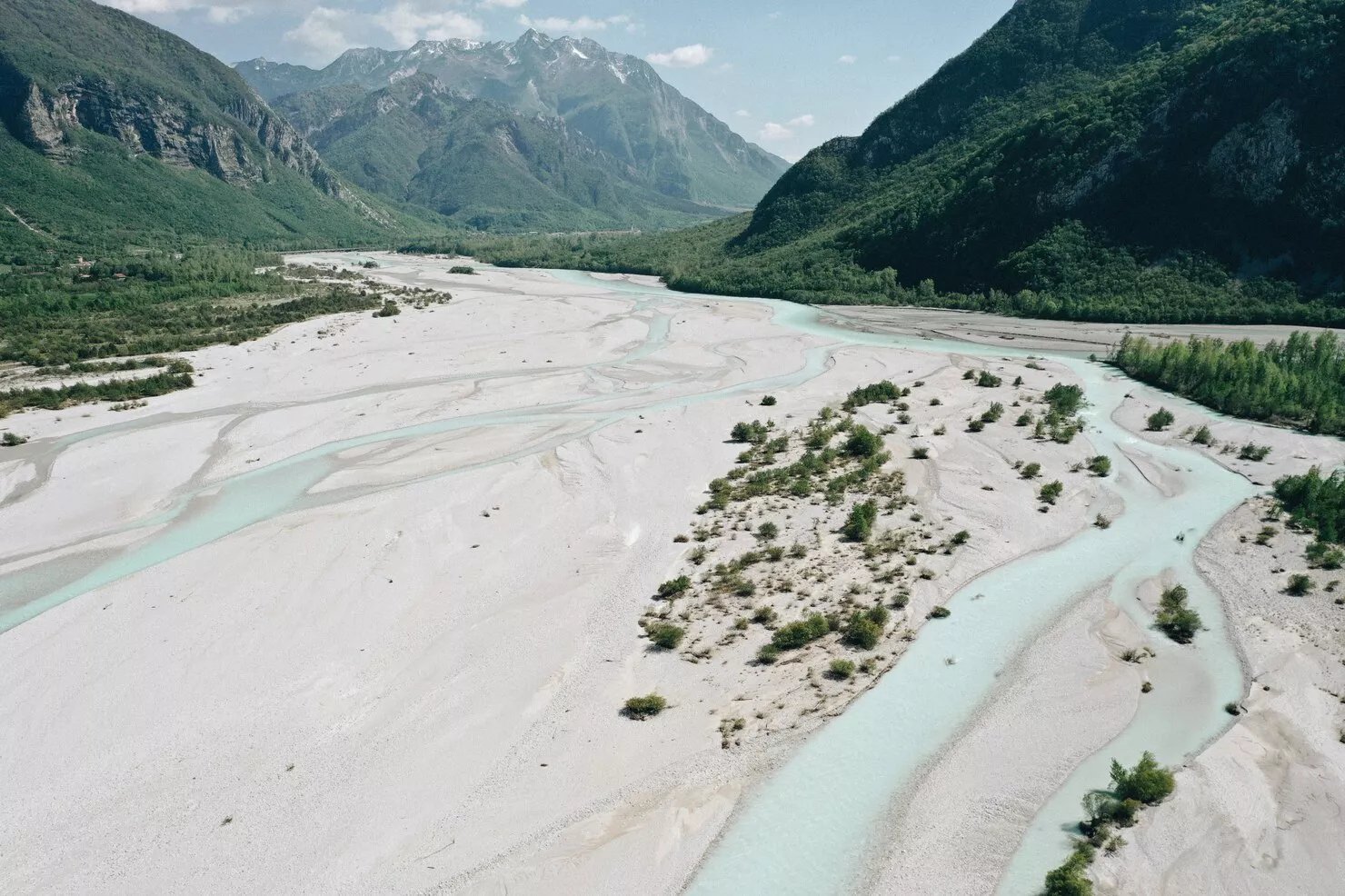
Siberia: Heaven and Hell
Siberia embodies a paradox:
- Heaven: Rich in natural resources and biodiversity.
- Hell: Harsh climate, and historically a place of exile and gulag labour camps.
The 1908 Tunguska Event, the largest asteroid explosion in modern times, sparked decades of Soviet scientific and amateur expeditions, creating a culture of voluntary environmental exploration.
Indigenous Peoples: Between Support and Suppression
- During the Soviet period, authorities aimed to “uplift” indigenous groups but forced them into collective farms, reduced their cultural autonomy, and, in some cases, carried out repression. Some groups supported Soviet rule for the social security it provided.
- Post-1991, economic insecurity hit indigenous communities hard. Today, they tend to focus on local survival and identity rather than global indigenous movements.
Climate Change: Warming Siberia
- Soviet scientists played a crucial role in early global warming research. Yet modern Russian politics shows ambivalence — President Vladimir Putin once joked that warmer weather might be welcome.
- Siberia is among the fastest-heating regions on Earth, raising concerns over permafrost melt, infrastructure stability, and ecosystem change. While some renewable energy initiatives exist, climate action remains cautious.
Why This History Matters Today
The Soviet Union claimed to avoid putting profit above all else, yet became one of the world’s largest carbon polluters. Studying its environmental history reveals:
- How both capitalist and socialist systems drive environmental change.
- The importance of enforcement and genuine public engagement.
- Lessons for balancing economic growth with ecological responsibility.
Russia’s environmental story — from the imperial conquest of landscapes to the Soviet industrial transformation and the modern climate crisis — is one of ambition, contradiction, and resilience. Understanding this history is essential not only for grasping Russia’s present-day policies but also for shaping a global future where development and sustainability can truly coexist.
Mains Question:
- “Discuss the relevance of Soviet environmental history for contemporary global climate change policy-making.” 150 Words 10 Marks