Seasonal Wild Adoptations
Syllabus Areas:
Prelims
GS III - Environment
Seasonality shapes every ecosystem on Earth, and animals have evolved remarkable strategies to survive in environments that shift dramatically across the year. As temperatures fall, daylight shrinks, and food availability declines, species must adapt, migrate, conserve energy, or innovate behavioural techniques. Understanding these patterns not only reveals evolutionary brilliance but also offers insights into climate sensitivity, ecological balance, and the fragile interdependence of species within their habitats.
This article explores the fascinating autumn–winter adaptations of three species — the red knot, bees, and the red squirrel — highlighting how each uses environmental cues to secure survival.
- Migratory Mastery of the Red Knot
The red knot (Calidris canutus) is a small shorebird globally admired for its extraordinary long-distance migration. It follows one of the longest migratory circuits in the avian world, reflecting superb physiological and behavioural adaptation.
Key Points
- 9,000-mile migration each way:
The red knot flies from the Arctic to South America, covering nearly 18,000 miles annually, demonstrating extreme endurance. - Timing controlled by photoperiod:
The bird tracks day length (“light length”) through specialized photoreceptors in the brain. Increasing or decreasing daylight signals seasonal transitions. - Hormonal transformation:
As spring approaches and daylight increases, hormonal shifts trigger:- Muscle buildup
- Fat accumulation
- Enhanced metabolic capacity
These changes prepare the bird’s body for long-haul migration.
- Escape from winter scarcity:
Red knots must depart before Arctic freeze sets in, ensuring they reach warmer regions where food availability remains stable. - Ecological significance:
Their migration reflects the delicate synchrony between climate, geography, and food cycles — any disturbance in timing (e.g., from climate change) can impact survival.
- 9,000-mile migration each way:
- Bees: Labourers Who Know When to Rest
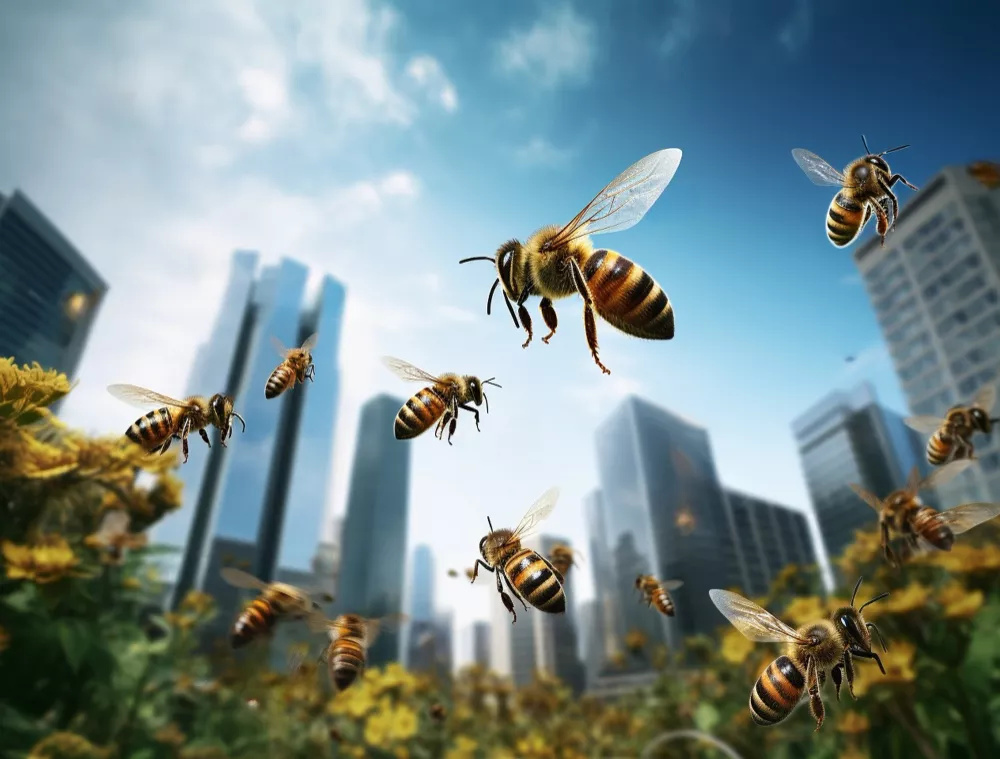
Bees are central to global pollination networks, supporting ecosystems and agriculture alike. Their seasonal behaviour is a blend of cooperation, thermoregulation, and communal survival instincts.
Key Points
- Environmental cues:
Bees respond to shorter days and cooler autumn temperatures, which tell the colony that foraging season is ending. - Clustering for warmth:
As temperatures drop:- Bees form a tight cluster around the queen.
- The cluster creates a warm core, preserving the colony’s life source.
- Dynamic circulation:
Bees move between the outer ring (cold zone) and the inner core (warm zone), ensuring energy conservation and preventing cold-induced mortality. - Labour with purpose:
Before resting, bees:- Gather nectar
- Pollinate flowers
- Convert nectar into honey
Their work enables the vibrant spring bloom humans depend on.
- Ecological role:
Bees’ seasonal patterns showcase resilience and cooperation, reinforcing their irreplaceable ecological function.
- Environmental cues:
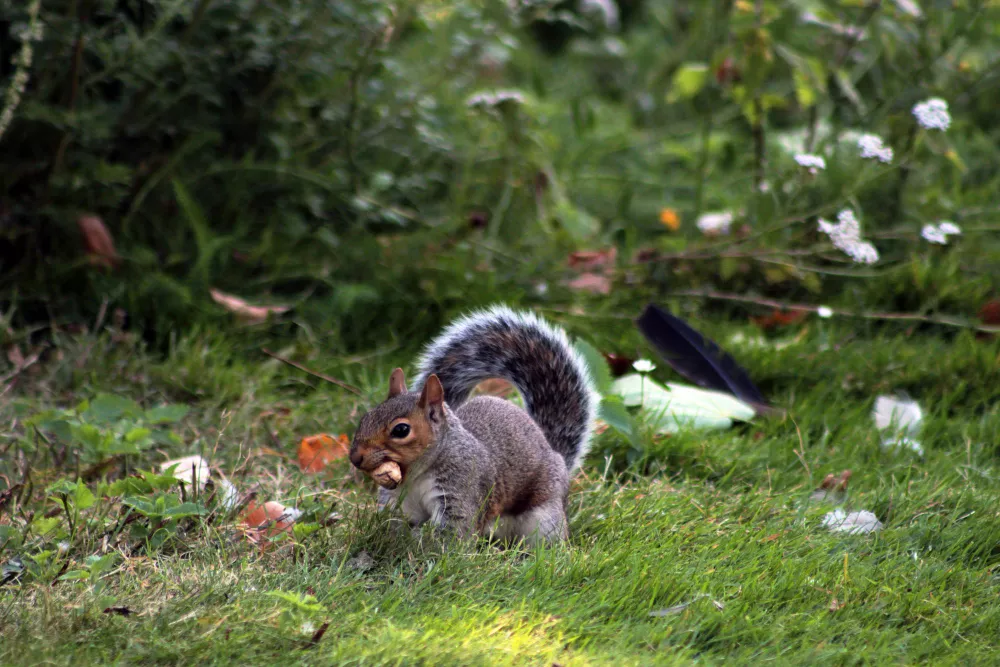
- The Red Squirrel: Nature’s Expert Forager and Planner
The red squirrel (Sciurus vulgaris) is known for its agility, sharp memory, and strong territorial instincts. Unlike many small mammals, it does not hibernate, making autumn preparation critical.
Key Points
- Increased autumn activity:
As temperatures fall, the red squirrel intensifies efforts to collect nuts, seeds, bark, and other food items. - Constructing the ‘drey’:
The squirrel stores its supplies in:- Tree hollows
- Shallow ground holes
- A winter home called a drey, constructed from twigs and leaves.
- Food caching ("banking"):
The squirrel hides food in multiple locations — a behaviour known as scatter hoarding.
These caches ensure survival during lean winter months. - Active in winter:
Unlike hibernators, the red squirrel remains awake, occasionally venturing out across frosty ground to retrieve stored food. - Human analogy:
The behaviour inspires the phrase “squirrel away”, meaning to save valuables for challenging times — reflecting foresight and prudence.
- Increased autumn activity:
Across species and ecosystems, animals rely on an intricate combination of environmental cues, seasonal timing, and evolutionary intelligence to navigate the harsh cycles of nature. The red knot’s transcontinental flights, the cooperative thermoregulation of bees, and the resource-banking instincts of red squirrels collectively illustrate how life adapts to ensure continuity.
As climate change disrupts traditional seasonal markers and migratory pathways, studying these natural rhythms becomes even more crucial. These behaviours are not just survival tactics — they are ecological stories that remind us of the precision, resilience, and interdependence that define life on our planet.
Prelims Question:
1. Which of the following ecological functions is correctly matched with the species and its seasonal behaviour?
- Red Knot – Assists in seed dispersal during migration.
- Bees – Enable early-spring blooming through pre-winter pollen storage.
- Red Squirrel – Accidental seed dispersal through forgotten caches.
Select the correct answer using the code below:
2. In the context of seasonal adaptations, which of the following best explains why photoperiod is a more reliable cue than temperature for migratory species like the Red Knot?
- Photoperiod varies less across latitudes than temperature.
- Photoperiod provides a consistent biological signal unaffected by short-term weather fluctuations.
- Photoperiod directly controls food availability along migration routes.
- Photoperiod changes only in the Arctic and is therefore used by Arctic species alone.