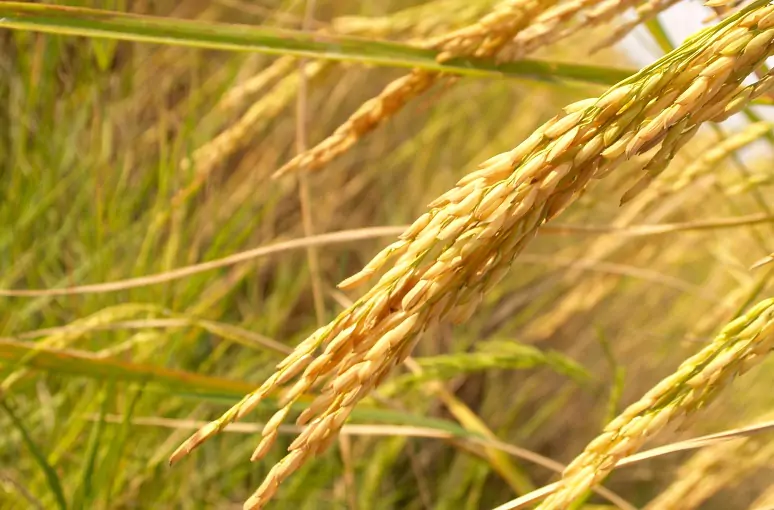
Rice: Crop, Capital, and Colonialism
Syllabus Areas:
GS I - History
GS III - Economic Development (Agriculture)
Rice is not merely a dietary staple—it is also a historical and economic force that shaped civilisations, social relations, and global trade. Unlike wheat and corn, which were rapidly industrialised and absorbed into global commodity markets, rice retained a localised, subsistence-oriented character.
- Its cultivation and consumption patterns offer a lens to study rural economies, gender relations, colonialism, and indigenous capitalism.
The Structure of Rice Farming: Localised and Resistant to Monoculture
- Rice farming is labour-intensive, water-dependent, and mostly carried out on small, fragmented landholdings.
- This structural nature prevented the expansion of industrial monoculture, which thrived on crops like wheat, maize, and soy.
- Consequently, rice became the foundation for smallholder-based agriculture, where families worked their own plots, diversified crops, and retained significant control over production.
- These systems sustained local economies, encouraged crop diversity, and fostered resilience against complete commodification.
Pre-Colonial Rice Economies: Autonomy over Feudalism
- In southern China and Southeast Asia, rice was cultivated under systems that reduced feudal dependency.
- Farmers were not bound to landlords through feudal obligations but operated more independently—paying rent but managing their own labour and land.
- These conditions enabled the emergence of an entrepreneurial peasantry—small-scale cultivators who often accumulated wealth, bought land, and moved up the social ladder.
- In places like Malaysia, peasants paid taxes to local rulers but were not part of a classic feudal hierarchy—they remained independent agricultural producers.
- Such systems created conditions for intergenerational social mobility, as seen in rice-producing regions of South China, where upward movement in status was possible.
Eurocentrism and the Myth of 'Stagnation'
- Conventional history often portrays Asia—especially China and India—as being economically stagnant due to the absence of an Industrial Revolution.
- However, this view is challenged by the framework of “symmetrical comparison”, advocated by historian Roy Bin Wong.
- Instead of judging non-European regions for not developing like Europe, we must ask whether they achieved growth on their own terms.
- The rice economies of southern China developed complex systems for capital formation, long-distance trade, and financial innovation, even without mechanisation.
- These economies were globally significant, and far from stagnant—they operated under different logic and priorities.
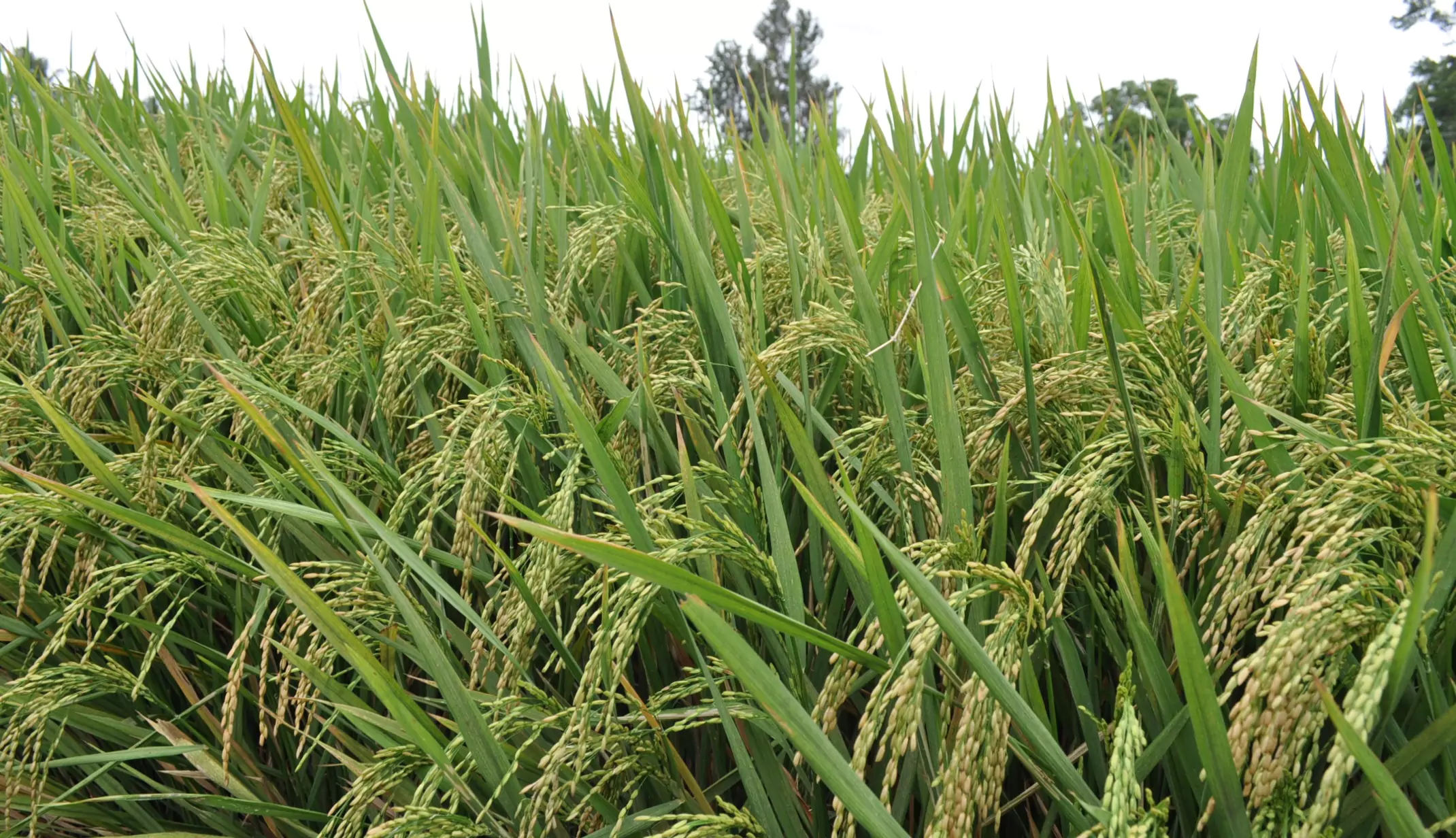
Colonialism and the Transformation of Rice Economies
- During colonial expansion, rice became instrumental in building a global industrial economy.
- By the 18th century, rice was used as a provisioning crop for slave labour in Brazil, South Carolina, and the Caribbean—African expertise in rice cultivation was co-opted under brutal conditions.
- In Asia, European powers such as the British, Dutch, and French created export-oriented rice zones in Bengal, Indochina, and Indonesia.
- These regions were transformed into monocultural economies, a phenomenon termed “monotonous rice bowls” by historian Peter Boomgaard.
- Workers were trapped in debt cycles, as colonial states imposed cash taxes and forced peasants to borrow from moneylenders at exploitative interest rates.
- Colonial infrastructure expanded cultivation through technological innovations like drainage, pumping, and levelling—bringing floodplains and deltas under the plough.
- These transformations created vulnerable, dependent agrarian classes, stripping communities of crop diversity, bargaining power, and autonomy.
Gender and Agrarian Labour: Visibility vs Erasure
- In traditional Chinese rice economies, gender roles were rigidly defined: men were assigned to field work, and women to household textile production.
- This gender coding originated in the imperial era and shaped political, economic, and moral ideologies.
- However, in practice, women did participate in field labour, especially in rice production. Yet their labour was not seen as "ideal" and hence was often excluded from formal records and historical accounts.
- As economies commercialised, men entered the textile workforce, pushing women back into undervalued agricultural labour.
- This led to a gendered invisibility, where women's actual economic contribution was ignored because it conflicted with the patriarchal ideal of the domestic woman.
The Role of Rice in Shaping Global Capitalism
- The commercial networks around rice—especially in East and Southeast Asia—did not mirror Western capitalism but developed alternative capitalist forms.
- Chinese merchants dominated rice trade in Southeast Asia; Siam (Thailand) opened new rice frontiers for export; Meiji Japan annexed Taiwan and Korea to secure rice resources.
- These dynamics show that capital formation, agrarian intensification, and labour exploitation were not exclusive to Western models of capitalism.
- Instead, rice-based economies contributed to a plural history of capitalism, challenging the idea that modern economic development had a single Western origin.
Rice as a Civilisational Lens
- The story of rice is the story of local agency, colonial disruption, social mobility, gendered labour, and economic transformation.
- Far from being a passive crop, rice was central to how societies in Asia resisted feudal control, built entrepreneurial peasantries, and navigated colonial capitalism.
- Its cultivation helped shape both indigenous models of development and the exploitative structures of empire.
- Understanding rice not just as food but as a political and economic institution enables us to reassess dominant historical narratives and appreciate the complexity of non-Western agrarian systems.
Mains Questions:
- "Pre-colonial rice economies in Asia fostered autonomy and entrepreneurial peasantry, unlike European feudal systems." Discuss with suitable examples. 150 Words 10 Marks
- How did colonial policies transform rice cultivation from a subsistence activity into an exploitative monocultural economy? Illustrate with regional examples. 150 Words 10 Marks