P. V. Narasimha Rao: Architect of Modern India
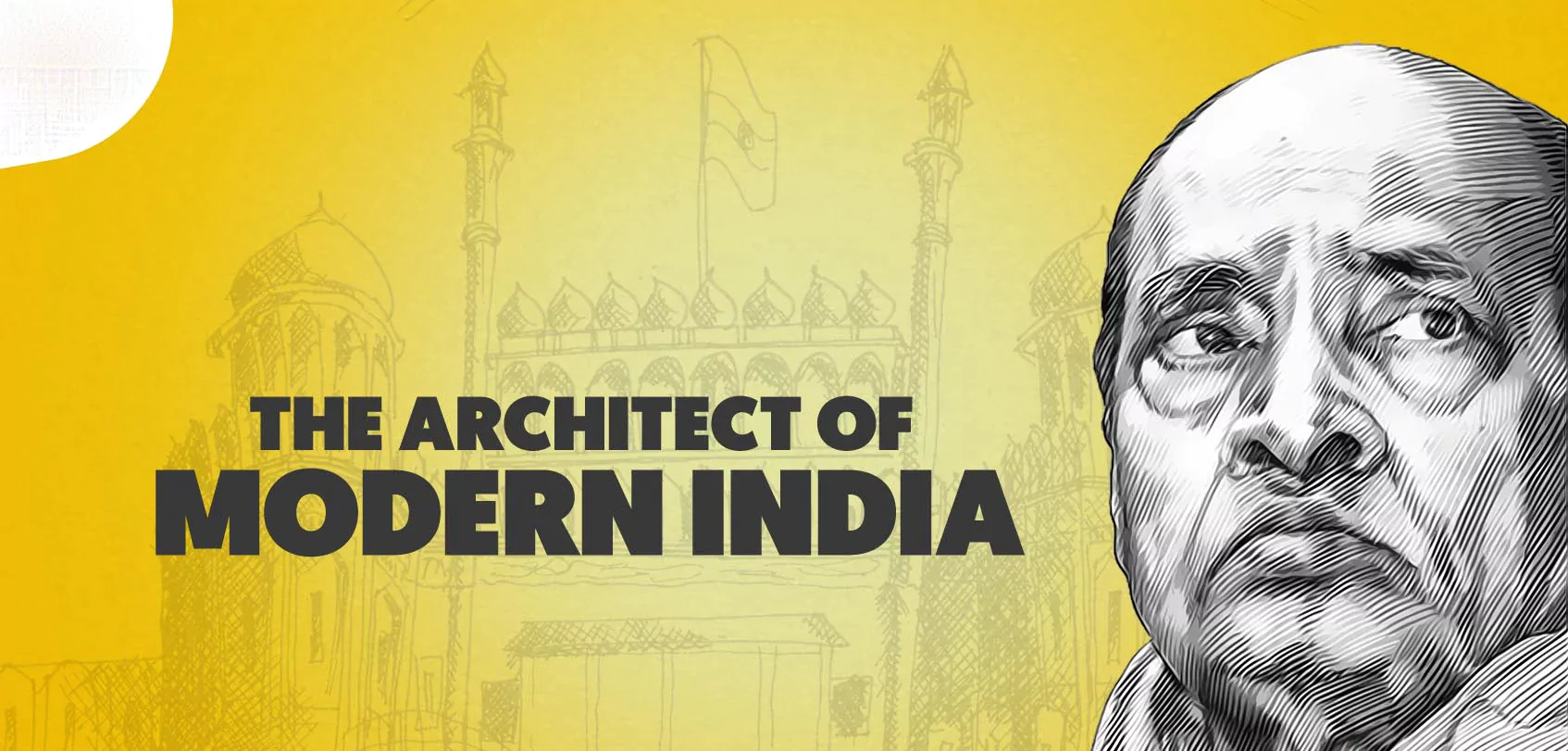
Pamulaparti Venkata Narasimha Rao, popularly known as P. V. Narasimha Rao, remains one of the most underrated yet transformative leaders in Indian history. He served as the 9th Prime Minister of India from 1991 to 1996 and is often hailed as the "Father of Indian Economic Reforms." With a rare blend of intellect, political acumen, and administrative foresight, Rao guided India through one of its most critical phases—both economically and politically. His contributions continue to shape the nation three decades after his tenure.
Early Life and Education
- Born on 28 June 1921 in the village of Laknepalli in present-day Telangana, Rao hailed from an agrarian family.
- He earned degrees in Arts and Law from Osmania University and Nagpur University, respectively.
- Multilingual and deeply scholarly, Rao was fluent in over 17 languages, including Sanskrit, Persian, Urdu, and French.
- His academic inclination shaped his governance style—quiet, thoughtful, and deliberate.
Political Rise and Pre-PM Contributions
- Rao began his political journey in the freedom struggle against the Nizam's rule in Hyderabad.
- He later served as the Chief Minister of Andhra Pradesh (1971–1973), where he introduced progressive land reforms.
- At the national level, he held several key Union Cabinet portfolios under Indira Gandhi and Rajiv Gandhi, including External Affairs, Defence, Home, and Human Resource Development.
- His reputation as a meticulous and capable administrator grew during this period.
Prime Ministerial Tenure (1991–1996): Leadership Amid Crisis
When Rao became Prime Minister in 1991, India was in the grip of a severe economic crisis:
- Foreign exchange reserves were barely sufficient for two weeks of imports.
- The fiscal deficit had ballooned.
- Inflation was rampant.
- The country was on the verge of sovereign default.
Despite leading a minority government, Rao demonstrated exceptional political dexterity. He appointed Dr. Manmohan Singh as Finance Minister and gave him the political space and backing to implement radical economic reforms.
Economic Reforms: The Rao Doctrine
Under his leadership, India took its first definitive steps toward liberalization:
- End of License Raj: Industrial licensing was abolished, opening the gates for private entrepreneurship.
- Foreign Direct Investment (FDI): Policies were liberalized to attract foreign investors.
- Trade Liberalization: Tariffs were reduced, and the rupee was devalued to boost exports.
- Privatization: The process of disinvesting public sector units began.
- Tax and Financial Reforms: SEBI was empowered, and the banking sector was modernized.
These reforms laid the foundation for India's transformation into a global economic powerhouse.
Foreign Policy Reorientation
Rao recalibrated India’s foreign policy in the post-Cold War context:
- Launched the "Look East Policy" to deepen engagement with ASEAN nations.
- Normalized relations with Israel by establishing full diplomatic ties.
- Strengthened partnerships with the United States and European Union.
- Maintained strategic autonomy while building bridges with global powers.
His diplomatic finesse allowed India to navigate a shifting global order without compromising national interests.
Contributions to Education and Culture
As HRD Minister and later PM, Rao promoted Indian languages, classical culture, and education:
- Championed the Navodaya Vidyalayas to provide quality education in rural areas.
- Supported Sanskrit and classical literature preservation.
- Encouraged indigenous research and publishing in Indian languages.
His intellectual legacy is reflected in his writings, including the semi-autobiographical political novel, "The Insider."
Controversies and Criticism
No legacy is without blemish. Rao’s tenure saw significant criticism:
- Babri Masjid Demolition (1992): His failure to prevent the demolition drew widespread condemnation and remains a blot on his tenure.
- Corruption Allegations: Accused in the JMM bribery case and other scandals (though later acquitted).
Yet, many argue that these failings must be weighed against the monumental structural reforms he implemented.
Posthumous Recognition and Legacy
He passed away on 23 December 2004. Despite his enormous contributions, he was denied a state funeral in Delhi by his own party. Telangana later honored him with the establishment of PV Gyan Bhoomi in Hyderabad. Leaders across political lines, including Prime Minister Narendra Modi, have acknowledged Rao’s visionary role.