Preah Vihear Dispute
Syllabus Areas:
GS I - History and Geography
GS II - IR
Renewed cross-border clashes between Thailand and Cambodia in 2025 around the Preah Vihear temple—despite past ICJ rulings and ceasefires—have revived a long-standing sovereignty dispute, causing casualties, mass displacement, and diplomatic intervention.
Location and Geographical Significance
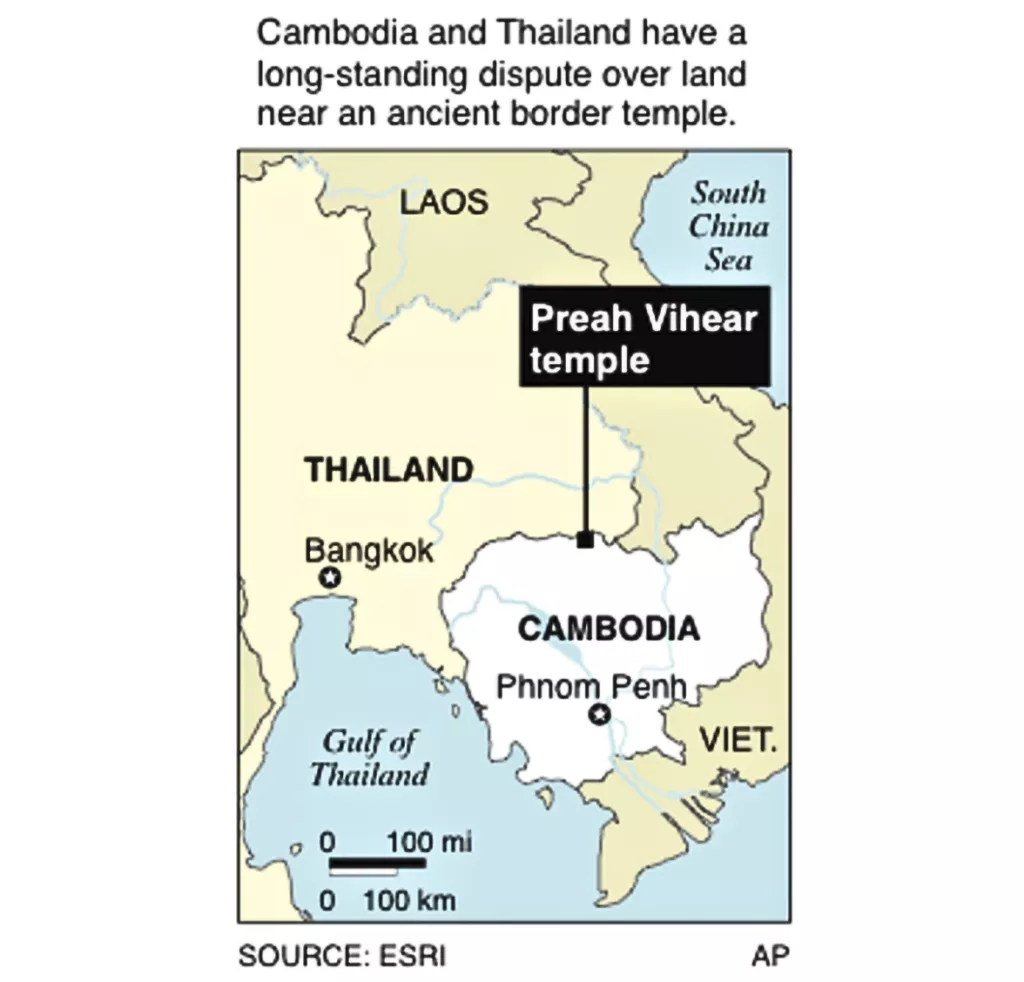
- Preah Vihear is perched atop a steep cliff in the Dangrek mountain range, forming a natural frontier between Cambodia and Thailand.
- The region connects forested hills stretching from the Mekong River basin to Thailand’s San Kamphaeng highlands.
- Rising over 700 metres above surrounding plains, the site commands strategic and panoramic views, enhancing both its religious symbolism and military sensitivity.
Historical and Cultural Importance
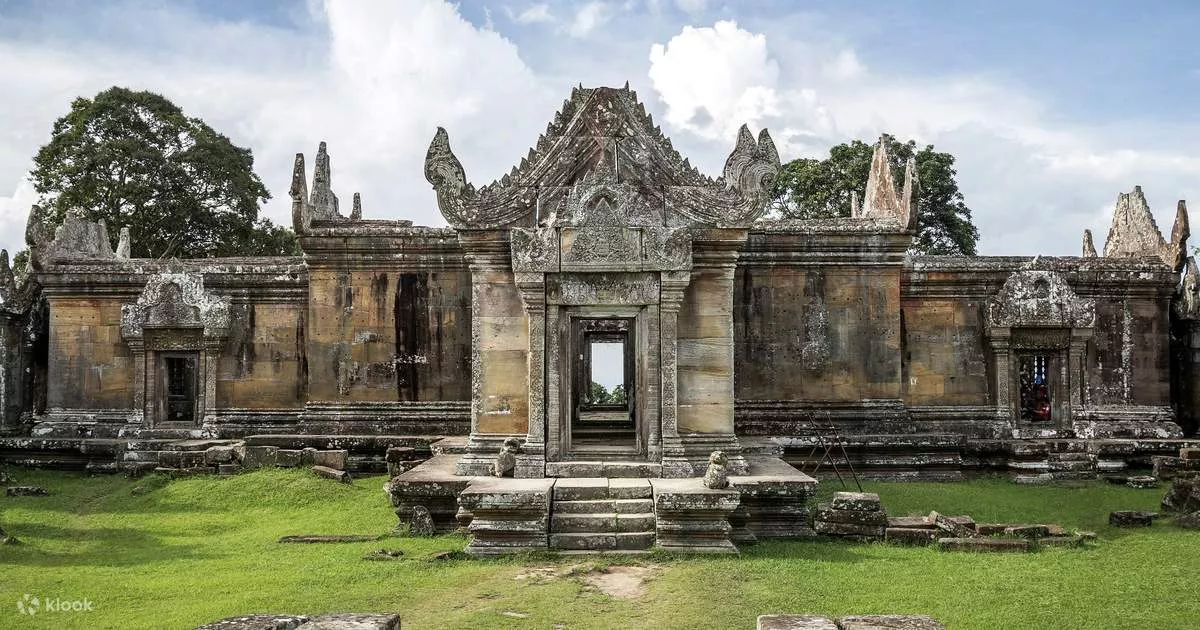
- Built between the 9th and 12th centuries by Khmer rulers such as Yasovarman I and Suryavarman I & II.
- Dedicated to Lord Shiva, the temple symbolises the Hindu idea of a sacred mountain abode.
- Originally known as Sri Sikharisvara (“Glorious Lord of the Mountain”).
- Architecturally unique: unlike typical east-facing Khmer temples, it follows a north–south linear axis.
- The complex stretches over 800 metres, comprising sanctuaries, staircases, pavements, and five ornate gopuras carved with Hindu mythology and Khmer motifs.
Colonial Roots of the Dispute
- The conflict traces back to Franco-Siamese treaties of 1904 and 1907, which defined borders along the watershed line of the Dangrek Mountains.
- French survey maps placed Preah Vihear on the Cambodian side, though physical access was easier from Thailand.
- After Cambodia’s independence in 1953, it renewed its claim, while Thai troops were present in the area.
ICJ Ruling, 1962
- Cambodia approached the International Court of Justice (ICJ).
- In 1962, the ICJ ruled that Preah Vihear lay within Cambodian sovereignty, relying on treaty interpretation and accepted maps.
- Thailand’s argument that the map lacked legal validity was rejected.
- Thailand was ordered to withdraw military and police forces from the temple area.
- However, surrounding territory remained undefined, sowing seeds for future conflict.
UNESCO World Heritage Listing (2008)
- UNESCO recognised Preah Vihear as a World Heritage Site, affirming its universal cultural value.
- Instead of resolving tensions, the listing intensified nationalist sentiments, triggering fresh armed clashes along the border.
ICJ Interpretation Judgment, 2013
- Cambodia sought clarification, arguing Thailand did not respect sovereignty over the adjacent promontory.
- On November 11, 2013, the ICJ unanimously affirmed that Cambodia had sovereignty over the entire promontory of Preah Vihear.
- Thailand was again ordered to withdraw forces.
- The Court emphasised the temple’s shared cultural and religious significance and urged bilateral cooperation for its protection.
International Court of Justice (ICJ)
The International Court of Justice (ICJ) is the principal judicial organ of the United Nations, established in 1945 and located at The Hague, Netherlands. It settles legal disputes between states and gives advisory opinions on international legal questions.
Key Features:
- Nature & Jurisdiction
- Hears cases only between sovereign states (not individuals or organisations).
- Jurisdiction is based on state consent:
- Special agreement between states
- Compromissory clauses in treaties
- Optional clause declarations (Article 36)
- Functions
- Contentious jurisdiction:
Resolves disputes on borders, sovereignty, treaties, use of force (e.g., Preah Vihear case). - Advisory jurisdiction:
Gives legal opinions to UN organs and specialised agencies (non-binding).
- Contentious jurisdiction:
- Composition
- 15 judges, elected for 9 years.
- Elected by UN General Assembly and Security Council independently.
- No two judges can be from the same country.
- Judges represent legal systems of the world, not their governments.
- Binding Nature of Judgments
- Judgments are final and binding only on the parties to the case.
- No appeal, but interpretation can be sought.
- Enforcement depends on state compliance; UN Security Council may be approached if a state fails to comply.
Recent Escalation (2025)
- Despite legal clarity, tensions persisted and escalated into open conflict in July 2025.
- Fighting resulted in dozens of deaths and displacement of over 300,000 people.
- A five-day clash ended through diplomatic intervention by Malaysia and the United States.
- In November 2025, Thailand suspended ceasefire implementation following a landmine blast injuring soldiers, leading to renewed hostilities on December 7.
- Cambodia accused Thailand of launching air strikes.
Current Status and Wider Implications
- On December 12, U.S. President Donald Trump claimed to have brokered another ceasefire.
- Nevertheless, tensions continue in the forested, sparsely populated borderlands, rich in ancient monuments and sacred carvings.
- The dispute illustrates how colonial borders, cultural heritage, and strategic geography intersect to produce prolonged interstate conflict despite judicial settlements