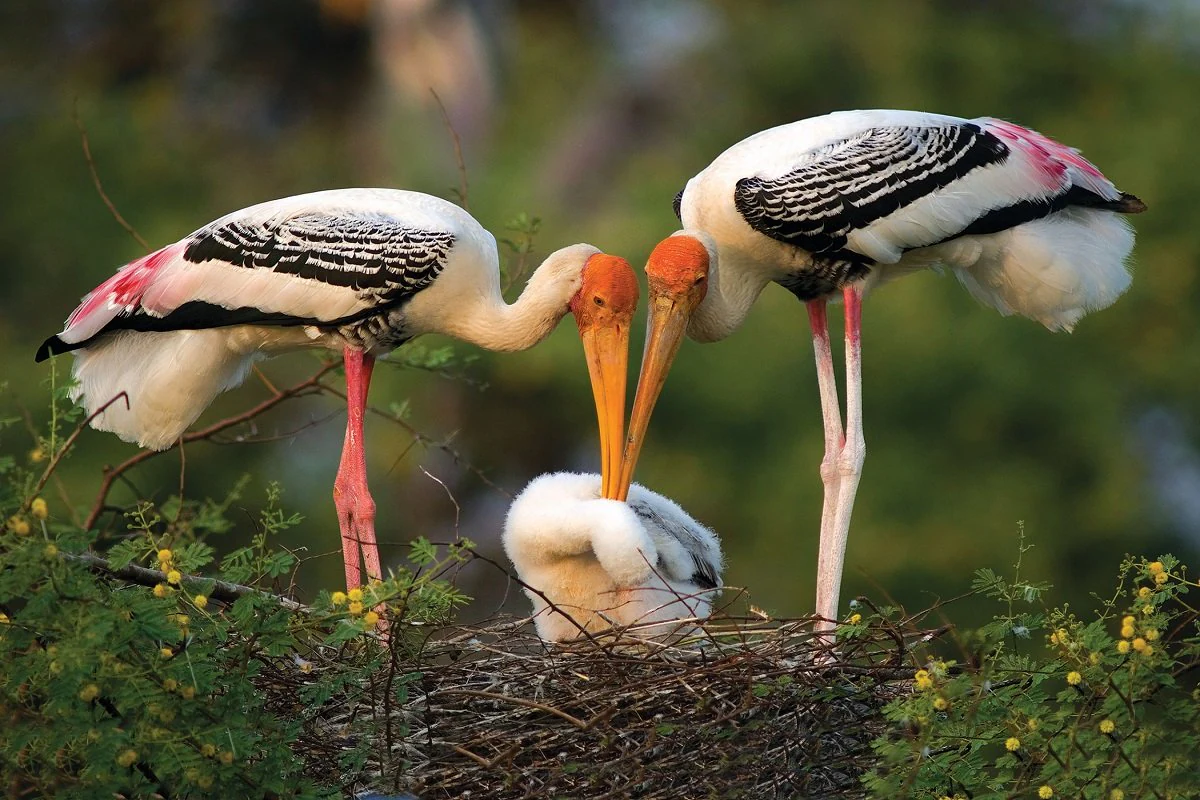
New Ramsar Sites in India (December 2024)
India has 85 Ramsar sites as of December 2024, reinforcing its commitment to wetland conservation and sustainable use. These sites, covering mangroves, freshwater lakes, estuaries, and coral reefs, play a crucial role in biodiversity conservation, climate change mitigation, and water management.
This guide provides a detailed analysis of:
- Ramsar Convention & its significance
- Definition & classification of wetlands
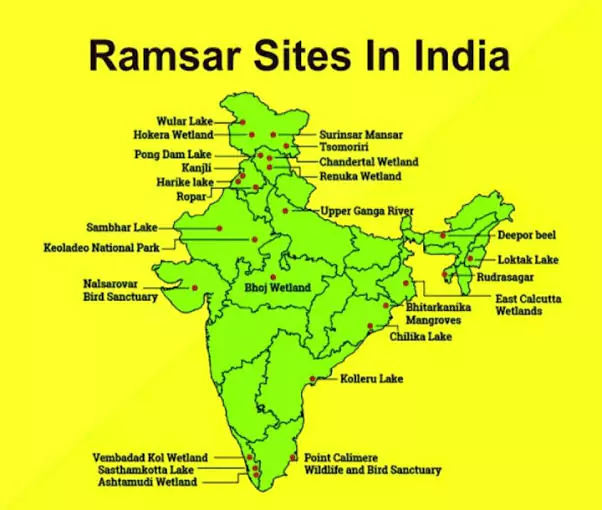
- Updated list of Ramsar sites in India (2024)
- Five newly designated Ramsar sites (2024)
- Threats to wetlands & conservation efforts
What is the Ramsar Convention?
Definition & Key Facts
- The Ramsar Convention is an international treaty for wetland conservation and sustainable use.
- Signed on:February 2, 1971, in Ramsar, Iran (hence the name).
- Came into force:December 21, 1975.
- India became a signatory:1982.
- World Wetlands Day: Celebrated every year on February 2 to mark the signing of the convention.
Key Features:
- First and only global treaty dedicated to wetland conservation.
- Recognizes wetlands as critical ecosystems for biodiversity, climate regulation, and human livelihoods.
- Establishes a list of Wetlands of International Importance (Ramsar Sites).
Legal Status:
- The Ramsar Convention is not legally binding but provides guidelines and frameworks for national wetland policies.
- Implemented through national wetland conservation laws and programs.
Objectives of the Ramsar Convention
The primary goal of the Ramsar Convention is to halt the worldwide loss of wetlands and promote their wise use.
Three Main Objectives:
- Identify & Protect Wetlands of International Importance.
- Promote the Wise Use of Wetlands & Their Resources.
- Encourage International Cooperation in Wetland Conservation.
What is “Wise Use” of Wetlands?
- Sustainable management that maintains ecosystem services while supporting economic activities.
- Example: Fishing, agriculture, and eco-tourism in a manner that does not degrade wetland health.
Key Benefits of Wetland Conservation Under Ramsar:
- Protects biodiversity – Wetlands are home to 40% of the world’s species.
- Prevents floods & droughts – Wetlands act as natural water storage systems.
- Supports local communities – Provides livelihoods through fishing, tourism, and sustainable agriculture.
Three Pillars of the Ramsar Convention
The Ramsar Convention is built on three key pillars:
Conservation of Wetlands Through Sustainable Practices
- Governments must ensure that wetlands are not degraded or destroyed.
- Policies should balance conservation with human activities like fishing, tourism, and agriculture.
- Example: Restoration of Chilika Lake (Odisha) by controlling invasive species and managing water levels.
Designation of Wetlands of International Importance (Ramsar Sites)
- Countries nominate wetlands that meet the Ramsar criteria to be designated as Ramsar Sites.
- These sites receive international recognition & protection.
- As of 2024, there are 85 Ramsar sites in India.
International Cooperation on Transboundary Wetlands
- Wetlands that cross national borders require shared management between countries.
- Example:Sundarbans (India & Bangladesh) – Joint conservation efforts protect the world’s largest mangrove forest.
Ramsar Criteria for Wetland Selection
How Are Wetlands Selected as Ramsar Sites?A wetland must meet at least one of the nine Ramsar criteria to qualify as a Wetland of International Importance.
Nine Ramsar Criteria:
Group A: Sites with Unique Wetland Types
- A Wetland Must Represent a Rare or Unique Ecosystem
- Example: Chilika Lake (Odisha) – Asia’s largest coastal lagoon.
Group B: Sites Supporting Biodiversity
- Supports Vulnerable, Endangered, or Critically Endangered Species
- Example: Sundarbans Wetland (West Bengal) – Home to the Royal Bengal Tiger & Ganges River Dolphin.
- Supports Significant Populations of Rare Species
- Example: Loktak Lake (Manipur) – Only natural habitat of the Sangai Deer.
- Plays a Key Role in Ecological Processes
- Example: Bhitarkanika Mangroves (Odisha) – Important nursery for marine biodiversity.
- Regularly Supports 20,000+ Waterbirds
- Example: Keoladeo National Park (Rajasthan) – Major stopover for migratory birds along the Central Asian Flyway.
- Supports 1% of a Waterbird Species’ Population
- Example: Nalsarovar Bird Sanctuary (Gujarat) – A crucial wintering ground for Greater Flamingos.
- Supports Fish Populations That Are Important for Biodiversity
- Example: Vembanad-Kol Wetland (Kerala) – Major breeding ground for fish that supports local fisheries.
- Supports 1% of a Fish Species’ Population
- Example: Kolleru Lake (Andhra Pradesh) – Known for indigenous freshwater fish diversity.
- Important for Migratory Species Along Global Flyways
- Example: Kazhuveli Sanctuary (Tamil Nadu) – Part of the East Asian-Australasian Flyway.