Major Destination for Wild Animals
Syllabus Areas:
GS III - Environment
GS IV - Ethics
Prelims
A recent Times Special report, based on data from the Convention on International Trade in Endangered Species of Wild Fauna and Flora (CITES), reveals that India has emerged as the world’s largest importer of zoo animals in recent years. Between 2022 and 2024, India consistently ranked among the top global importers of wild animals, overtaking countries traditionally associated with large zoological collections. The findings highlight the scale, diversity, and geographic spread of wildlife entering India legally under international trade frameworks.
This development is significant for India’s environmental governance, conservation strategy, and international commitments under global biodiversity agreements.
The scale of wildlife imports into India
According to CITES data, around 6,400 animals belonging to endangered species were imported into India over the last four years. These imports form part of a longer historical trend: nearly 90% of all animals traded globally since 1978 have entered India in the last few decades, underscoring India’s growing role in the international wildlife trade.
India as the largest zoo-animal importer (Last 2 years)
| Year | Global imports | India’s imports | India’s rank |
|---|---|---|---|
| 2022 | 5,496 | 600 | 1st |
| 2023 | 12,326 | 1,029 | 2nd |
| 2024 | 2,922 | 1,640 | 1st |
Other major importing countries during this period included Switzerland, Singapore, UAE, and Thailand, but India remained the most consistent large-volume importer.
Species profile: Big cats dominate arrivals
One of the most striking trends is the dominance of big cats in India’s wildlife imports.
Most imported big cats (1978–2024)
| Species | Number imported |
|---|---|
|
Lion |
314 |
|
Tiger |
188 |
|
Cheetah |
159 |
|
Leopard |
150 |
|
Jaguar |
103 |
|
Cougar |
100 |
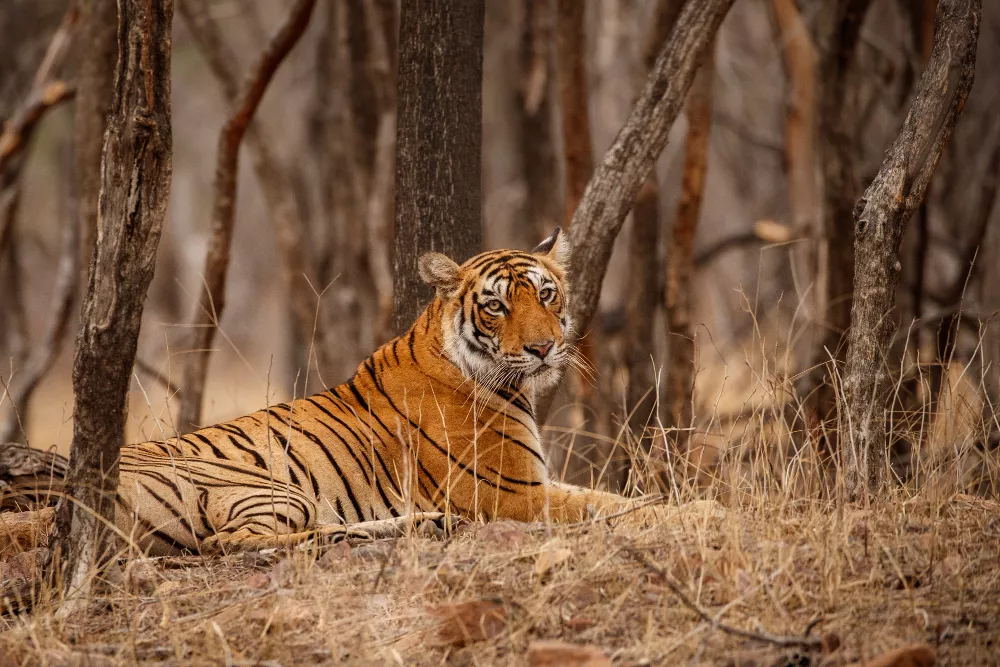
India now leads the world in the import of tigers, followed by lions and cheetahs. Beyond big cats, imports also include reptiles, birds, and mammals such as:
- Burmese python
- African spurred tortoise
- Red kangaroo
- Nile crocodile
- Common marmoset
This pattern suggests that imports are driven largely by zoological display, breeding programmes, and conservation-linked exchanges.
Where do these animals come from?
India’s wildlife imports span multiple continents, indicating a highly globalised trade network.
Major exporting regions and countries
- South Africa – accounts for nearly 30% of India’s wildlife imports
- Europe – Czech Republic, France, Germany, Austria
- West Asia – UAE
- Australia and the Americas – Australia, Guyana, Suriname, Venezuela
Top exporters to India (1978–2024)
| Country | Animals exported |
|---|---|
| South Africa | 2,072 |
|
UAE |
995 |
|
Czech Republic |
854 |
|
France |
816 |
|
Austria |
684 |
It is important to note that not all exporting countries are natural habitats of these species. Many act as breeding, transit, or re-export hubs, especially in Europe.
India as an exporter: Ghariyals and crocodiles
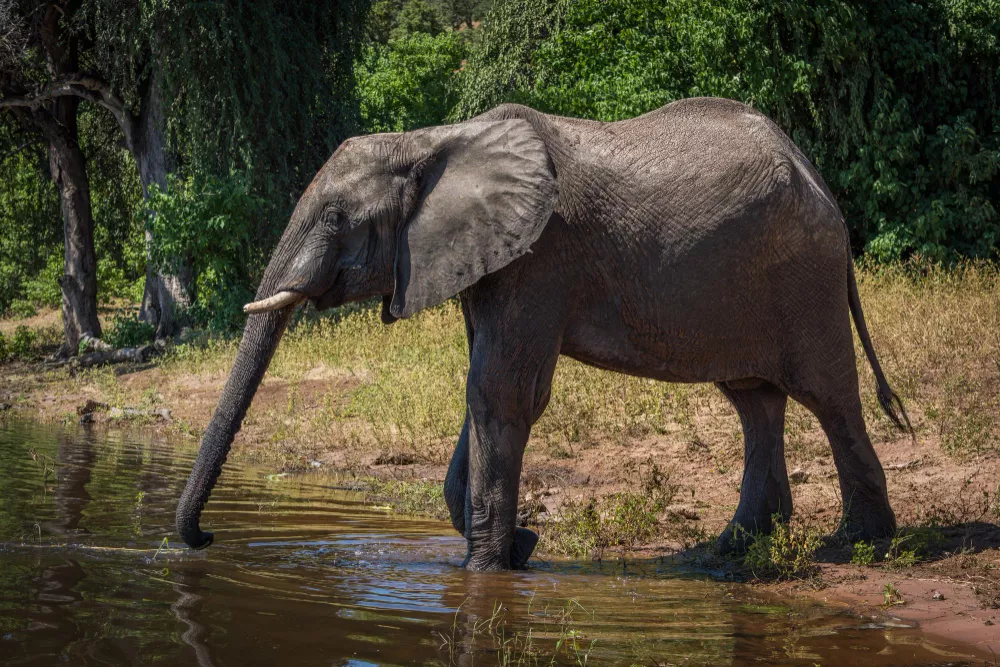
While India is a major importer, it is also a selective exporter of native species, primarily reptiles.
Wildlife exports from India (since 2005)
- Total animals exported: 483
- Peak export years: 2019–2020
Top species exported
| Species | Number exported |
|---|---|
|
Gharial |
102 |
|
Mugger crocodile |
48 |
|
Asian elephant |
31 |
|
Grey langur |
25 |
|
Blackbuck |
24 |
These exports are largely linked to conservation breeding programmes, especially for crocodilians.
CITES: The backbone of global wildlife trade regulation
What is CITES?
The Convention on International Trade in Endangered Species of Wild Fauna and Flora (CITES) is a multilateral treaty that regulates international trade in wildlife to ensure it does not threaten species survival. It came into force in 1975 and currently has 184 Parties, including India.
Key features of CITES
- Species are listed in three Appendices:
- Appendix I: Trade permitted only in exceptional circumstances
- Appendix II: Regulated trade with permits
- Appendix III: Species protected in at least one country
- Requires export, import, and re-export permits
- Focuses on legal and sustainable trade, not a total ban
In India, CITES is implemented through the Wildlife (Protection) Act, 1972.
Other key animal trade regulating authorities
International level
- CITES Secretariat – monitors compliance and reporting
- World Organisation for Animal Health (WOAH) – animal health standards
- UN Environment Programme (UNEP) – biodiversity coordination
National level (India)
- Directorate of Wildlife Preservation (DWP) – CITES Management Authority
- Central Zoo Authority (CZA) – regulates zoos and animal exchanges
- Ministry of Environment, Forest and Climate Change (MoEFCC) – policy oversight
- Customs and enforcement agencies – border regulation
Key concerns emerging from the data
- Capacity and welfare concerns
Rapid growth in imports raises questions about the capacity of zoos and safari parks to maintain high welfare standards. - Conservation versus display
Imports driven primarily by display value may dilute conservation objectives. - Genetic and ecological relevance
Exotic species may have limited relevance to local ecosystem conservation. - Monitoring and transparency
Public access to data on post-import animal care remains limited.
Way forward: Solutions and policy focus
- Strengthen zoo accreditation and audits by the Central Zoo Authority
- Link imports strictly to conservation outcomes, not tourism alone
- Enhance transparency through publicly accessible wildlife trade databases
- Promote in-situ conservation over captive collections
- Capacity-building for enforcement agencies to monitor compliance
India’s emergence as a leading destination for wild animals reflects its growing institutional capacity and global connectivity, but it also places greater responsibility on policymakers and conservation authorities. While international trade under CITES is legal and regulated, the long-term success of wildlife conservation depends on ethical governance, scientific planning, and animal welfare standards. Strengthening these pillars will ensure that India’s role in global wildlife trade aligns with its broader commitment to biodiversity conservation and sustainable development.
Prelims Questions:
1. Consider the following pairs:
| Authority / Organisation | Primary Role |
|---|---|
| 1. CITES Secretariat | Regulates domestic wildlife protection laws |
|
2. Central Zoo Authority |
Regulates functioning of zoos in India |
|
3. WOAH |
Sets international animal health standards |
Which of the pairs given above are correctly matched?
2. Under CITES, species listed in Appendix I are those which:
- Can be freely traded with minimal regulation
- Are traded only for commercial purposes
- Are threatened with extinction and trade is permitted only exceptionally
- Are protected only within national boundaries