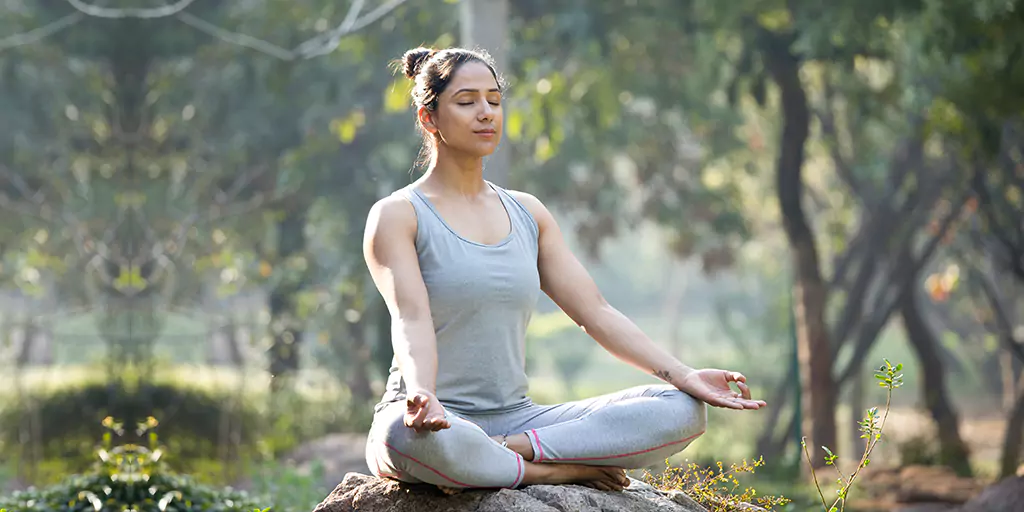
International Yoga Day 2025
On 27th September 2014, PM Narendra Modi proposed the idea at the UN General Assembly.
The official theme for International Yoga Day 2025, observed today (June 21, 2025), is:
“Yoga for One Earth, One Health”
This theme celebrates the deep interconnectedness of personal well-being and planetary wellness. It highlights how yoga not only nurtures our body and mind but also fosters harmony with the Earth —emphasizing that our individual health and the environment are inseparable
Ancient Origins of Yoga – Indus Valley Civilization
- Archaeological Evidence:
- Seals from Mohenjo-Daro and Harappa depict figures in meditative postures (cross-legged, eyes closed).
- Pashupati Seal (proto-Shiva depiction) shows yogic elements.
- Cultural Continuity:
- Indic traditions emphasized balance of mind-body-soul even before codification in Vedic texts.
- Suggests yoga's antiquity predates Vedas and may have been a lived philosophy.
Sanskrit Roots, Symbolism, and Cultural Philosophy
- Etymology of “Yoga”:
- Derived from Sanskrit word ‘Yuj’, meaning to join or to unite—union of body and consciousness, individual and universal self.
- Philosophical Roots:
- Patanjali’s Yoga Sutras: Core texts defining yoga as “Chitta Vritti Nirodha” (cessation of mental fluctuations).
- Part of Shad Darshanas (six schools of Indian philosophy).
- Symbolism:
- A path to Moksha (liberation) through Ashtanga Yoga: Yama, Niyama, Asana, Pranayama, Pratyahara, Dharana, Dhyana, Samadhi.
- Cultural Ethos – Vasudhaiva Kutumbakam:
- Sanskrit phrase from Maha Upanishad: “The world is one family”.
- Yoga as a means to foster global harmony, compassion, and collective peace.
Symbolism of Date – June 21 & the Summer Solstice
- Why June 21?
- Longest day in the Northern Hemisphere.
- Marks a turning point toward Dakshinayana—spiritually significant in Indian tradition.
- Yogic Significance:
- Believed to be the day when Shiva (Adi Yogi) began imparting yoga to his disciples—the Saptarishis.
- Represents balance, transformation, and renewal—mirroring the essence of yogic practice.
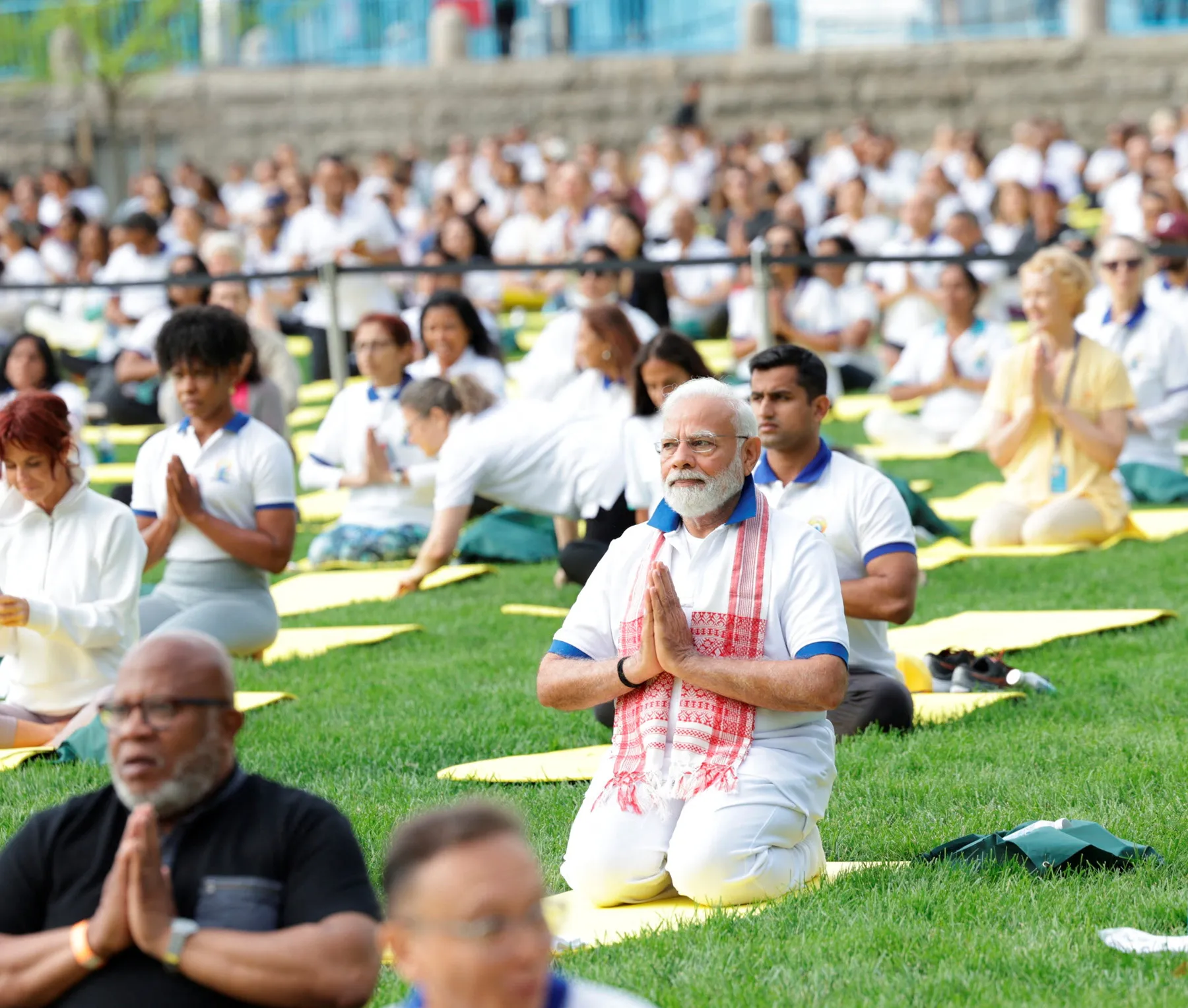
India-led UN Resolution for Yoga Day
- On 27th September 2014, PM Narendra Modi proposed the idea at the UN General Assembly.
- UN Adoption:
- On 11th December 2014, UNGA passed Resolution 69/131.
- Co-sponsored by 177 nations—a record in UN history for a resolution of this kind.
- Language of the Resolution:
- Recognizes “the holistic approach to health and well-being.”
- Calls for wider global dissemination of the benefits of practicing yoga.
Global Wellness Diplomacy & Yoga Bandhan
- Soft Power Diplomacy:
- Indian embassies conduct yoga sessions globally at heritage sites, UN HQs, and public spaces (e.g., Times Square, Eiffel Tower).
- Yoga Bandhan:
- A symbolic people-to-people initiative under the MEA and Ministry of AYUSH.
- Encourages international collaboration through yoga exchanges, festivals, and public diplomacy.
- India’s Image Building:
- Strengthens India’s identity as a spiritual and cultural leader.
- Creates goodwill through non-aligned, non-political engagement.
Alignment with UN Sustainable Development Goals (SDGs)
- Direct Links:
- SDG 3: Good Health and Well-being – Yoga promotes physical & mental resilience.
- SDG 13: Climate Action – Yogic philosophy promotes eco-sensitivity, balance, and minimalism.
- SDG 17: Partnerships for Goals – Events held jointly across nations enhance global cooperation.
- Yoga as Preventive Health:
- Reduces non-communicable diseases (diabetes, hypertension).
- Improves mental health—aligned with WHO wellness frameworks.
Yoga, while ancient, has re-emerged as a tool for modern global harmony—bridging tradition with technology, individual health with planetary balance, and Indian values with universal aspirations. International Yoga Day is more than symbolic—it is a testament to India's rising global soft power and its ability to offer ancient wisdom for today’s global crises.