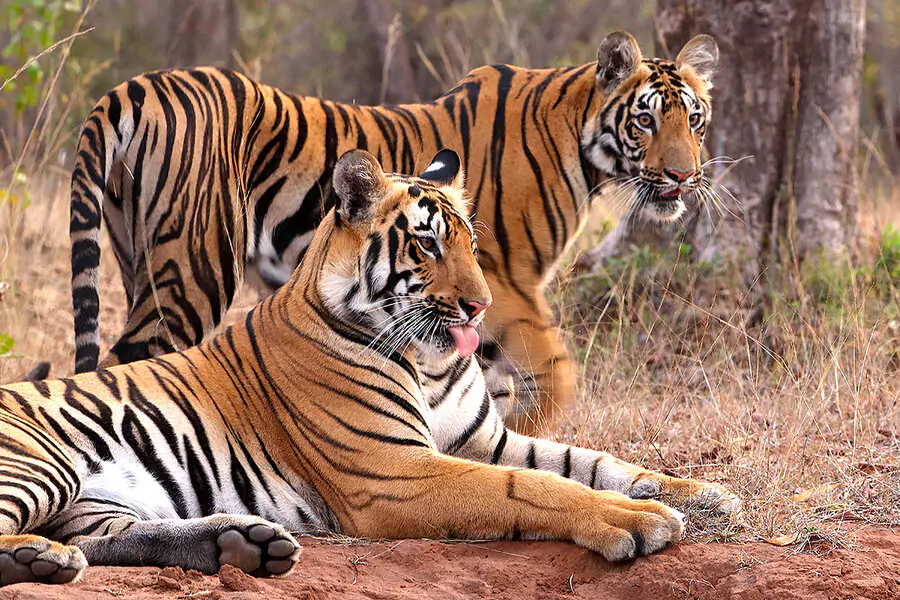
Project Tiger @ 50: India’s Tiger Conservation Journey
Project Tiger, launched in 1973, stands as one of the world’s most successful conservation initiatives. Celebrating its 50th anniversary in 2023, the project has significantly contributed to the recovery of India's tiger population, making it a global model for wildlife conservation. This comprehensive analysis covers the project's origins, achievements, challenges, and future directions, using verified references from reputable sources.
Origins and Objectives of Project Tiger
Project Tiger was initiated by the Government of India in response to the alarming decline in tiger populations, which had fallen below 2,000 due to poaching, habitat loss, and human-wildlife conflict. The primary objectives of the project were:
- Conservation of Tigers: Protecting tigers from poaching and habitat destruction to ensure their survival.
- Preservation of Ecosystems: Safeguarding the diverse ecosystems within tiger habitats to maintain ecological balance.
- Awareness and Community Involvement: Promoting awareness about tiger conservation and involving local communities in conservation efforts.
The project began with nine tiger reserves, covering an area of 16,339 square kilometers. Over the years, this network has expanded significantly, becoming a cornerstone of India’s conservation strategy.
Key Achievements and Conservation Impact
Recovery of Tiger Population:
Project Tiger has played a pivotal role in increasing India’s tiger population, which now stands at over 3,200, accounting for more than 70% of the global tiger population. This remarkable recovery is attributed to stringent anti-poaching measures, habitat protection, and scientific monitoring.
Expansion of Protected Areas:
The number of tiger reserves has grown from 9 in 1973 to 53 reserves in 2023, covering an area of 75,796 square kilometers. These reserves are strategically located across different ecological regions, ensuring the preservation of diverse tiger habitats.
Improved Ecosystem Health:
Tiger conservation has led to the preservation of entire ecosystems, benefiting numerous plant and animal species. The protection of tiger habitats has also contributed to the maintenance of water sources, carbon sequestration, and climate regulation.
Community Involvement and Eco-Tourism:
Recognizing the importance of local communities, Project Tiger has promoted eco-tourism and sustainable livelihoods, reducing human-wildlife conflicts and generating economic benefits. Programs such as village relocation from core areas and community-based conservation initiatives have helped reduce pressure on tiger habitats.
Success Stories: Case Studies of Leading Tiger Reserves
- Jim Corbett Tiger Reserve (Uttarakhand):
- The first and most iconic tiger reserve, Corbett has the highest tiger population in India, demonstrating the success of habitat protection and anti-poaching measures.
- Bandipur Tiger Reserve (Karnataka):
- Known for its thriving tiger population, Bandipur’s success is attributed to effective park management, reduced human interference, and strong community support.
- Sundarbans Tiger Reserve (West Bengal):
- Home to the unique mangrove-dwelling Royal Bengal Tiger, Sundarbans has implemented innovative conservation techniques to address challenges like rising sea levels and human-tiger conflicts.
- Kaziranga Tiger Reserve (Assam):
- Famous for its diverse wildlife, Kaziranga’s anti-poaching measures and habitat protection have resulted in a steady increase in tiger numbers.
Challenges and Limitations
Despite its success, Project Tiger faces several ongoing challenges that require urgent attention:
- Human-Wildlife Conflict:
- As human populations expand near tiger reserves, conflicts between humans and tigers have increased, leading to retaliatory killings and loss of livestock.
- Habitat Fragmentation:
- Infrastructure development, agriculture, and deforestation have fragmented tiger habitats, reducing connectivity between reserves and isolating tiger populations.
- Poaching and Illegal Wildlife Trade:
- Despite strict anti-poaching measures, the illegal trade in tiger parts remains a significant threat, driven by high demand in international markets.
- Climate Change:
- Rising temperatures, erratic rainfall, and sea-level rise, particularly in regions like the Sundarbans, pose long-term threats to tiger habitats and prey availability.
- Management and Governance:
- Inconsistent enforcement of conservation laws, corruption, and inadequate funding in some reserves have hindered conservation efforts.
Government Initiatives and Policy Framework
The success of Project Tiger has been supported by robust policies and institutional frameworks, including:
- National Tiger Conservation Authority (NTCA):
- Established in 2006, the NTCA oversees the implementation of Project Tiger, ensuring scientific monitoring, habitat management, and anti-poaching measures.
- Wildlife Protection Act of 1972:
- This legislation provides legal protection to tigers and other endangered species, prohibiting hunting and habitat destruction.
- Monitoring System for Tigers - Intensive Protection and Ecological Status
(M-STrIPES):
- A technology-driven system that uses GPS, cameras, and data analytics to monitor tiger populations, track movements, and assess habitat health.

Future Directions and Sustainable Conservation
As Project Tiger enters its next phase, future conservation efforts must focus on:
- Enhancing Habitat Connectivity:
- Creating wildlife corridors to connect fragmented habitats, allowing tigers to move freely and maintain genetic diversity.
- Strengthening Anti-Poaching Measures:
- Increasing patrols, using advanced surveillance technology, and enhancing collaboration with law enforcement agencies to combat poaching.
- Community-Centered Conservation:
- Expanding programs that involve local communities in conservation, promoting eco-tourism, and providing alternative livelihoods to reduce dependence on forest resources.
- Climate Resilience:
- Developing climate-resilient conservation strategies, particularly for vulnerable regions like the Sundarbans, to mitigate the impacts of climate change.
- Global Collaboration:
- Strengthening partnerships with international conservation organizations to share knowledge, resources, and best practices for tiger conservation worldwide.
Project Tiger’s 50-year journey is a testament to India’s commitment to wildlife conservation. By successfully reversing the decline of its tiger population, India has set an example for other countries facing similar challenges. However, sustaining this success requires addressing ongoing threats such as habitat fragmentation, human-wildlife conflict, and climate change. By enhancing habitat connectivity, strengthening anti-poaching measures, and promoting community involvement, India can ensure that its tigers continue to thrive for generations to come.
Recent Developments in Project Tiger (2023–2024)
As Project Tiger celebrated its 50th anniversary in 2023, India marked this milestone with several new initiatives aimed at further strengthening tiger conservation. Building on the project’s success, recent developments focus on enhancing habitat connectivity, promoting sustainable conservation, and leveraging technology for wildlife monitoring. Key initiatives introduced by the government and conservation organizations are detailed below:
Launch of the International Big Cat Alliance (IBCA)
- In April 2023, India launched the International Big Cat Alliance (IBCA), a global platform dedicated to protecting big cats, including tigers, lions, leopards, and cheetahs. This initiative aims to foster international collaboration, share conservation best practices, and address challenges such as poaching and habitat loss.
- With a budget of $100 million over five years, IBCA will support conservation projects in countries with big cat populations, strengthening India's leadership in global wildlife conservation.
Expansion of Tiger Reserves and Wildlife Corridors
- The government has announced plans to expand existing tiger reserves and create new ones to accommodate the growing tiger population. Special emphasis is placed on developing wildlife corridors to connect fragmented habitats, allowing tigers to roam freely and maintain genetic diversity.
- Recent expansions include the designation of new protected areas and wildlife corridors in states like Madhya Pradesh, Maharashtra, and Assam, ensuring better habitat connectivity.
Updated Tiger Census Results (2023)
- The latest tiger census, released in April 2023, revealed that India’s tiger population had reached 3,167, reaffirming the success of conservation efforts.
- The census used advanced techniques such as camera traps, DNA analysis, and artificial intelligence to accurately estimate tiger numbers and monitor their movements. This technological shift has improved the reliability of data and enhanced the effectiveness of conservation strategies.
Strengthening Community Participation and Eco-Tourism
- Recognizing the importance of local communities in conservation, recent initiatives focus on providing sustainable livelihoods to reduce dependence on forest resources.
- Eco-tourism programs have been expanded to generate income for local communities while promoting wildlife conservation. Training programs are helping local residents become wildlife guides and conservation ambassadors, fostering a sense of ownership and pride in tiger conservation.
Technology-Driven Conservation (M-STrIPES Upgrade)
- The M-STrIPES (Monitoring System for Tigers – Intensive Protection and Ecological Status) system has been upgraded to enhance real-time monitoring of tigers and their habitats.
- The new version includes advanced GPS tracking, automated data analysis, and AI-powered threat detection, improving the efficiency of anti-poaching patrols and habitat management.
Focus on Human-Wildlife Conflict Mitigation
- With the increasing tiger population, human-wildlife conflicts have become more frequent. The government has introduced measures such as early warning systems, rapid response teams, and compensation schemes to reduce conflicts and promote coexistence.
- Innovative solutions, including solar-powered electric fences and community-based alert systems, have been implemented in conflict-prone areas like Maharashtra, Karnataka, and Uttarakhand.
Climate Resilience and Habitat Restoration
- Given the impact of climate change on tiger habitats, especially in regions like the Sundarbans, new initiatives focus on building climate resilience.
- Afforestation programs, wetland restoration, and sustainable land-use practices aim to create resilient ecosystems that can withstand extreme weather events and support healthy tiger populations.
Strengthening Anti-Poaching Measures
- Anti-poaching efforts have been intensified with the deployment of advanced surveillance technology, including drones, thermal cameras, and AI-powered monitoring systems.
- Increased patrolling in critical areas and collaboration with local law enforcement agencies have led to a significant reduction in poaching incidents.
Global Recognition and Future Goals
- Project Tiger’s 50th anniversary has garnered global recognition, with international conservation organizations praising India’s achievements. The government has set ambitious goals for the next decade, including increasing tiger populations, expanding protected areas, and enhancing global collaboration through the IBCA.
Government’s Vision for the Next Decade
- The government’s long-term vision includes integrating tiger conservation
with
broader environmental and economic goals. Key priorities include:
- Ensuring habitat connectivity through wildlife corridors.
- Strengthening community-based conservation and eco-tourism.
- Building climate-resilient ecosystems.
- Leveraging advanced technology for wildlife monitoring and anti-poaching efforts.
The recent developments in Project Tiger underscore India’s commitment to wildlife conservation and sustainable development. By expanding protected areas, involving local communities, and leveraging technology, India aims to ensure the long-term survival of its tigers while promoting coexistence with humans. With initiatives like the International Big Cat Alliance and advanced monitoring systems, India is poised to lead global efforts in big cat conservation, setting an example for the world.