Grassland Conservation
Syllabus Areas:
GS III - Environment
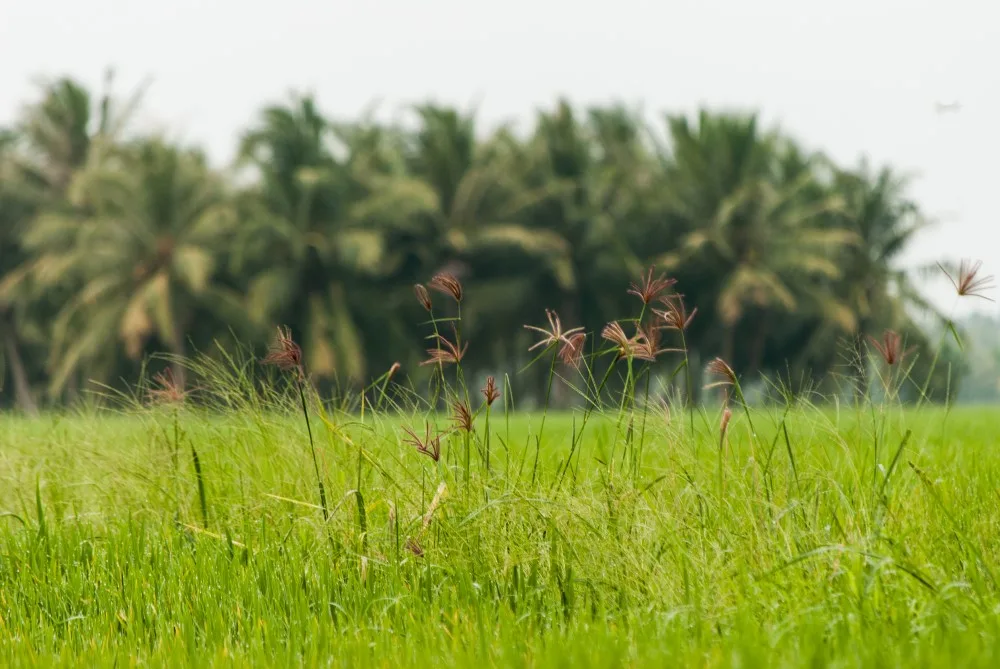
Grasslands in India are historically undervalued because colonial-era classifications labelled them as “wastelands.” Open ecosystems such as savannas, scrublands, kanchas, and natural grasslands evolved through fire and herbivory , not through dense tree growth.
- As a result, afforestation-driven policies often misidentify functioning ecosystems as “degraded” and attempt to convert them into tree plantations — ecologically harmful.
- Telangana still has patches of semi-arid Deccan grasslands, which support species like Indian fox, blackbuck, wolves, harriers , etc.
- These open habitats are rapidly disappearing due to urbanisation and misclassification.
Current Situation in Telangana
Extent
- Telangana has 12,881 sq km of open natural ecosystems (≈11.5% of the state).
- Of this, 6,452 sq km (over half) is targeted for tree-based restoration — a major ecological red flag.
Major Threats
- Expansion of human settlements
- Quarrying and construction
- Road and vehicle movement across open stretches
- Infrastructure projects (energy, real estate, transport)
- Misclassification as “wastelands” enabling diversion with minimal scrutiny
Priority Sites Identified
- Ramnathgudapalle Grassland (Vikarabad district)
- Yenakathala
- Mominpet open tracts
These were flagged by ecologists as priority conservation zones.
|
Grasslands: Grasslands are ecosystems where grasses and herbaceous plants form the primary vegetation, and tree cover is naturally sparse due to climate, soil conditions, fire, and grazing. Key Ecological Features
These factors maintain the open nature of the system. |
Ramnathgudapalle Grassland – The Test Case
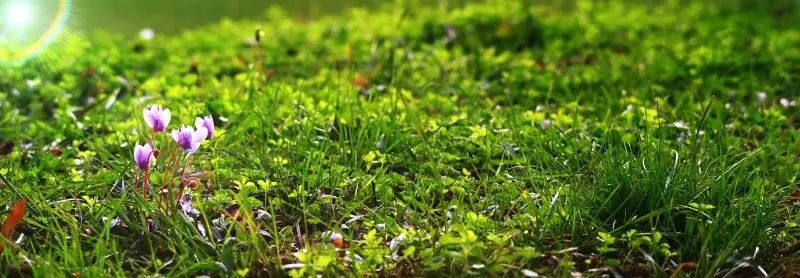
- Area: ~2,100 acres, one of the last large contiguous natural grassland patches in Telangana.
- Locally known as kanchas, culturally part of Telangana’s landscape identity.
- Ecologists see this case as a precedent that will determine the fate of other open ecosystems in the state.
Expert Concerns and Perspectives
a) Misconception about Grasslands
- Grasslands are not empty or degraded forests.
- They are independent ecosystems shaped by:
- Fire
- Herbivory
b) Loss of Hyderabad’s Open Landscapes
- Historically, Hyderabad was ringed by kanchas.
- Most have already vanished due to urban sprawl.
c) Examples from Other States
- Rollapadu Sanctuary (AP)
- Velavadar National Park (Gujarat)
- Tal Chhapar Sanctuary (Rajasthan)
- Blackbuck Resort (Bidar, Karnataka)
These show that grassland management + regulated ecotourism is feasible and profitable.
Government Position
- Principal Chief Conservator of Forests states:
- Ramnathgudapalle will be put into the Compensatory Afforestation (CA) land bank.
- Grasslands in reserve forest areas will be protected and managed.
- Skeptical interpretation:
- Using grasslands for CA often means planting trees, which destroys savanna/grassland structure.
- CA land banks are rarely designed with grassland ecology in mind.
- This is why ecologists insist on legal conservation reserve status, not just bureaucratic inclusion in CA land banks.
|
Afforestation: Afforestation is simply the process of creating a forest in an area that did not previously have one — usually by planting trees on grasslands, scrublands, barren lands, or unused tracts. |
Broader Ecological and Policy Implications
- Telangana currently has zero protected grassland ecosystems — unlike several other states.
- If Ramnathgudapalle fails to get protection:
- Other open ecosystems could be diverted for plantations or development.
- The state's biodiversity — foxes, wolves, raptors, blackbucks — will lose habitat.
- The ecological balance of semi-arid Deccan will be compromised.
- The issue is not local; it's about redefining national restoration policy, separating:
- Natural grasslands
- True wastelands
- Degraded former forests