Food as Culture and Power
Syllabus Areas:
GS I - Culture
GS III - Agriculture, Environment, Food Security
Understanding food is not just about nutrition; it is about culture, politics, resilience, and survival. In an interview, anthropological archaeologist Morell-Hart highlighted how the study of ancient foodways and ethnoecological relationships reveals deep insights into human history and offers lessons for contemporary food security. These findings are a valuable bridge between history, culture, environment, and sustainability.
The Core of Research: Foodways and Ethnoecology
The field of anthropological archaeology often seeks to understand human relationships and activities in the past, with food as a central focus. Two major strands of this research are:
- Foodways and Cuisine – exploring what people consumed, how meals were prepared, and the symbolic or cultural meanings attached to food.
- Ethnoecological Relationships – analyzing how ancient societies interacted with their environments, cultivated crops, and developed strategies to sustain life amidst political or ecological pressures.
To achieve these insights, the research specializes in the study of ancient plant residues, including:
- Seeds
- Starch grains
- Phytoliths (silica deposits in plant cells)
- Lipids and plant waxes
- Ancient DNA fragments
These traces make it possible to reconstruct diets, cuisines, and agricultural practices that would otherwise have vanished from the historical record.
Geography and Timeline of Research
The research is concentrated in Mesoamerica, a region that includes parts of North and Central America.
- Maya areas in Mexico, Guatemala, and Honduras.
- Oaxaca, particularly among ancient Mixtec and Zapotec societies.
The temporal range of her research is equally vast: from 10,000 years ago, when humans first experimented with domesticating crops, to the colonial period, when European contact reshaped food systems and social life.
Agricultural Practices and Resilience: The Seed Bank Discovery
One of the most striking findings, in collaboration with Stacie King (University of Indiana), was the discovery of an ancient seed bank in Oaxaca’s Nejapan Sierra Sur mountains.
- Dating: 400–700 years ago, a time of frequent colonial incursions by Zapotecs, Aztecs, and later Spaniards.
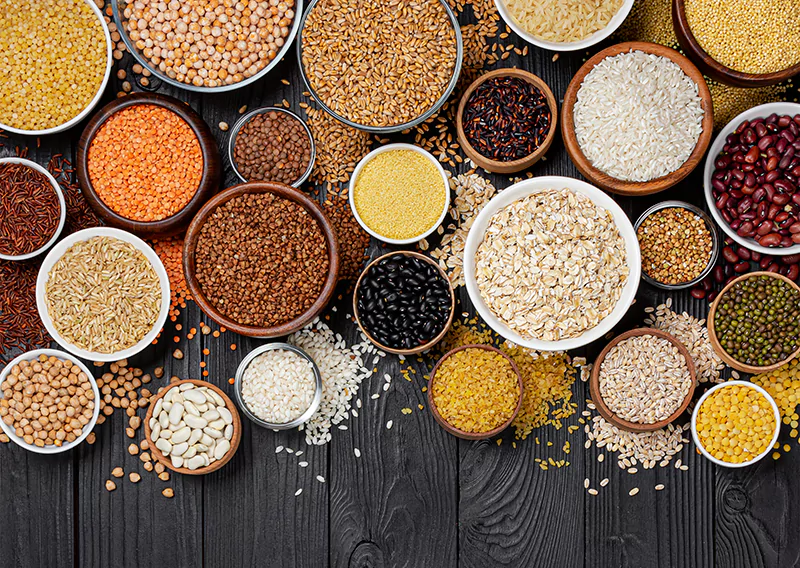
- Contents: over 100 species of seeds, including not just maize and beans but also grains, fruits, vegetables, herbs, pungent leaves, and seasonings.
- Purpose: these seeds were stored in hidden bins as communities retreated into the mountains to escape invasions.
This discovery demonstrated that people were not only ensuring survival but safeguarding their culinary traditions. By preserving such diversity, they retained the possibility of replanting after disruptions and maintaining their cultural identity. It was an act of resilience and resistance, showing how food and biodiversity became tools of survival against colonial pressures.

Food as Media, Medium, and Message
Food is never neutral. In the ancient Maya world, it was a medium of communication, power, and symbolism.
Court murals and painted ceramics show rulers hosting feasts where tamales (corn dumplings with fillings and sauces) and chocolate beverages were prominently displayed. Interestingly, common foods like atole (corn porridge), though widely consumed by the population, were deliberately absent in elite depictions.
This selective representation reveals that food was a political language. Serving tamales signaled hospitality, authority, and negotiation power. A ruler sitting on a throne with tamales at his side communicated wealth, control, and cultural refinement. In this sense, food operated like clothing, architecture, or ritual objects — a symbol of legitimacy and power.
Archaeological Evidence: From Seeds to LIDAR
Over time, archaeology has developed new techniques to study food:
- Macroscopic Evidence: charred seeds, grains, and food remains visible to the eye.
- Microscopic Analysis: starch grains viewed under high-powered microscopes and phytoliths (silica structures unique to plant species).
- Biochemical Traces: DNA residues, lipids, and plant waxes extracted from artifacts.
The most revolutionary tool is LIDAR (Light Detection and Ranging), which uses laser technology to map hidden landscapes beneath dense jungle canopies. This has revealed:
- Ancient urban centers and settlement layouts.
- Elaborate terrace systems carved into hillsides.
- Extensive irrigation channels and fields.
Together, these methods provide both a micro-view (seeds and residues) and a macro-view (landscapes and infrastructure) of ancient food production.
Lessons for Today: Diversity and Flexibility
The study of palaeobotany offers two critical lessons for modern food security:
- Diversity:
- Ancient people cultivated a wide variety of crops and relied on multiple food sources, including famine foods like bitter roots or tree bark that required special preparation.
- This diversity acted as a buffer against environmental shocks, droughts, and political disruptions.
- Contrast with today, where societies often depend heavily on a few staples like rice, wheat, and maize — creating chokepoints and vulnerabilities.
- Flexibility:
- Ancient societies displayed adaptive agricultural practices — terraces, crop rotations, intercropping, and irrigation channels.
- Food choices were not rigid: they were influenced by spiritual beliefs, political obligations (like tribute), and ecological needs.
- Flexibility ensured resilience, while rigid food systems (such as cities depending solely on tribute-based supplies) made societies vulnerable to collapse.
Seed banks, such as the one discovered in Oaxaca, remind us of the importance of preserving biodiversity. In modern times, conservation through gene banks, millet revival, and diversification of diets echoes these ancient lessons.