Environmental Impact of Unregulated Helicopter Operations in Garhwal Himalayas
Syllabus Areas:
GS III - Environment
Environmentalists and scientists have raised alarms that unregulated helicopter operations during the busy Char Dham Yatra season may be silently damaging the fragile ecosystem of the Garhwal Himalayas.
Biodiversity at Risk
- Kedarnath Wildlife Sanctuary (KWLS) is home to rare and vulnerable species such as the snow leopard, musk deer, and Himalayan tahr.
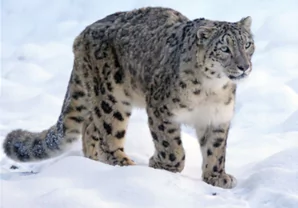
- Experts like S. Sathyakumar (former WII scientist) emphasize that these species survive only under specific high-altitude conditions, which are sensitive to disturbance.
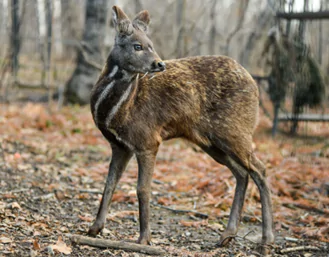
Violation of NGT Guidelines
- In 2015, the National Green Tribunal (NGT) directed that
helicopters to Kedarnath must:
- Fly at a minimum altitude of 600 metres
- Maintain noise levels below 50 decibels.
- These rules were based on a Wildlife Institute of India (WII) study that revealed chopper noise alters animal behaviour, pushing them from diurnal to nocturnal patterns, which is unnatural and stress-driven.
Poor Enforcement
- Although objections were raised and penalties imposed by some forest officers, enforcement of the NGT’s orders remains inconsistent, and violations continue without serious consequences.
Glacial Retreat and Black Carbon
- According to glaciologist DP Dobhal, emissions from helicopters
release black
carbon, which settles on snow and reduces its albedo
(reflectivity).
- This leads to faster glacial melt and increased avalanche risks.
- The high-altitude low oxygen and rising CO₂ levels further destabilize snow layers, compounding the problem.
Local Community Concerns
- Residents of Gaurikund, the base for Kedarnath, report a disturbance in daily life and fear possible helicopter crashes.
- The constant noise has transformed the spiritual tone of the pilgrimage into something mechanical and disruptive.
- A local resident, Maya Ram, mentioned that they cannot even hold a 10-minute conversation outdoors without interruption.
Prelims Questions:
- Which of the following species are found in the Kedarnath Wildlife Sanctuary (KWLS)?
- Snow leopard
- Himalayan Tahr
- Red Panda
- Musk Deer
- 1 and 2 only
- 1, 2, and 4 only
- 2 and 3 only
- 1, 3, and 4 only
- What was the primary environmental concern raised by scientists regarding helicopter
operations
in the Garhwal Himalayas?
- They cause deforestation in alpine regions
- They disrupt traditional village economies
- They generate black carbon deposits accelerating glacier melt
- They reduce air pressure, destabilizing snow layers
- According to the 2015 NGT guidelines for Kedarnath helicopter operations, which of
the following
were mandated?
- Minimum flying altitude of 600 meters
- Noise level should not exceed 50 decibels
- Only electric-powered helicopters are permitted
- No flights during pilgrimage season
- 1 and 2 only
- 2 and 3 only
- 1, 2, and 3 only
- 1, 3, and 4 only
- What behavioural shift was observed in wildlife due to sustained noise from
helicopters?
- They migrated to lower altitudes
- They became more aggressive during the day
- They shifted from diurnal to crepuscular or nocturnal activity
- They began mimicking human behaviour for survival
Answer: C. They shifted from diurnal to crepuscular or nocturnal activity
Mains Questions:
- Critically examine the environmental and social impacts of aerial tourism like Char Dham Yatra in ecologically sensitive zones. Suggest policy measures for sustainable pilgrimage management. (Answer in 250 words)
Select the correct answer using the code below:
Answer: B. 1, 2, and 4 only
(Red Panda is found in Eastern Himalayas, not in KWLS.)
Answer: C. They generate black carbon deposits accelerating glacier melt
Select the correct answer using the code below:
Answer: A. 1 and 2 only