Nepal Political Crisis 2025
Syllabus Areas:
GS II - International Relations (India and its Neighbours)
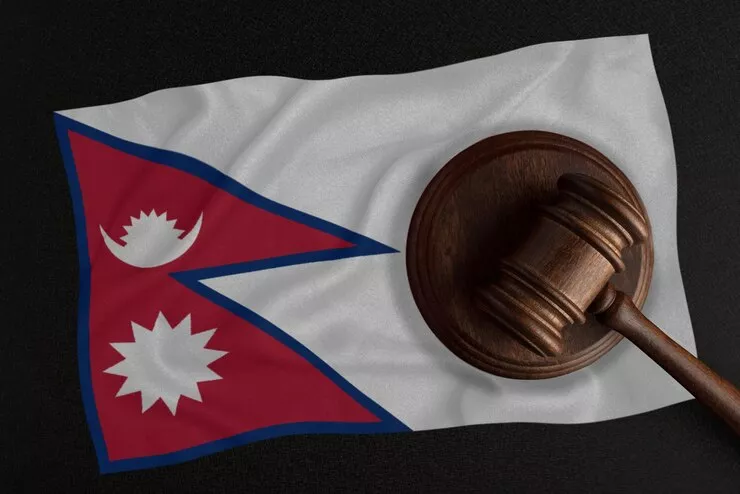
Nepal is witnessing a phase of intense social and political unrest, triggered not by a single event but by a cumulative build-up of grievances among its people, especially the youth. Nepal has had 14 Governments since 2008, not one of which has completed a full 5-year term.
A timeline of major events in Nepal:
1951:
- Ranas of Nepal, a Chhetri dynasty, are overthrown by ascendant pro-democracy movements and a parliamentary democracy is established
1961-1990:
- King Mahendra bans political parties in 1961, imposes a return to a centralised system of government that consolidates his power.
- People's frustration with the system peaked in 1990 leading to protests.
- King Birendra lifts ban on political parties.
1996:
- Nepal's left-wing Maoists start a violent bid to replace the royal parliamentary system with a people's republic.
- That leads to a decade-long civil war and caused more than 17,000 deaths
2006-2015:
- Civilians protested against the monarchy in 2006, leading to its abolition in 2008, making Nepal a federal democratic republic.
- In 2015, Nepal adopted a new constitution.
2015 to present:
- KP Sharma Oli took over as PM for the first time in Oct 2015 and his government lasted for about a year. He is elected for the second and third time successively in 2018 and 2021 and for the fourth time in 2024.
Immediate Trigger: The Schoolgirl Incident
- On Sept 6, around 7:15 am, an official jeep carrying Koshi Province minister Ram Bahadur Magar hit 11-year-old Usha Magar Sunuwar outside her school in Lalitpur.
- CCTV footage showed the vehicle flinging her to the roadside and then driving away.
- The child survived with injuries, but the government convoy abandoning her sparked outrage across Nepal.
- Former PM P. Sharma Oli called it a “normal accident” and only offered to cover her medical expenses.
- This “callous and entitled” remark deepened anger, reinforcing public perceptions of political arrogance and impunity.
Public Outrage and Mobilisation
- Outrage was immediate in Kathmandu’s colleges, tea stalls, and streets.
- Young people saw the incident as proof that citizens’ lives don’t matter to politicians.
- The incident became a symbolic spark, igniting pent-up frustration about corruption, nepotism, unemployment, and lack of dignity.
Structural Grievances Behind the Protests
- Youth Unemployment:
- Among the highest in South Asia.
- In 2024, the jobless rate for ages 15–24 was 20.8% (World Bank data).
- Many migrate to the Gulf and Malaysia; those who stay face inflation, weak infrastructure, and political neglect.
- Dependence on Remittances:
- Over 33% of Nepal’s GDP (33.1%) comes from remittances.
- Emigration is seen as “soft exile” – either leave the country or live without dignity.
- Corruption & Nepotism:
- Successive governments plagued by corruption scandals.
- Ministries and embassies filled with political families’ children and relatives.
- Ordinary citizens feel shut out of opportunities, reinforcing elite capture.
- Rise of “Nepo Kids”:
- Children of politicians flaunting lavish lifestyles online (Instagram/TikTok).
- Seen as an insult to struggling youth, especially amid unemployment.
The Social Media Ban – A Catalyst
- Government imposed a ban on 26 social media platforms just hours before the accident.
- The ban, instead of silencing dissent, added fuel to the protests.
- Social media had been the space where frustration about corruption, nepotism, and “nepo kids” was already brewing.
Protest Dynamics
- Protest slogans like “Oli chor, desh chhod” (Oli thief, leave the country) gained traction.
- Anger framed as betrayal of democracy – politicians ruling like a “monarchy of ministers.”
- Protesters emphasized they were educated, aware, and no longer willing to wait for change.
Political Reactions
- Opposition & Academics:
- Analysts described the protests as “inevitable” due to decades of neglect.
- Scholars argued the incident exposed apathy and broken trust between people and politicians.
- Ruling Class Response:
- Nepali Congress leader NP Saud admitted corruption/nepotism were real but insisted on resolving them through due process and the constitution.
- Protesters, however, saw this as too little, too slow, demanding immediate accountability and justice.
Key Points on 2015 Earthquake & Gen Z Movement in Nepal
- The 2015 Nepal earthquake became a turning point for the country’s youth and reshaped Sudan Gurung, once part of Kathmandu’s nightlife scene.
- Witnessing a child die in his arms during the quake pushed Gurung to form Hami Nepal (We are Nepal), starting with small relief like rice sacks.
- His first online plea gathered nearly 200 volunteers, who delivered food, pitched tents, and ferried the injured.
- Over the years, Hami Nepal grew into a structured NGO, formally registered in 2020, with 1,600+ members.
- Unlike many grassroots groups, it became known for discipline, logistics, and trust-building, earning praise from mentors like eye surgeon Sanduk Ruit.
- By 2024, as anger against corruption, nepotism, unemployment, and the social media ban grew, Hami Nepal became the platform for Gen Z protests.
- Gurung called students to march in school uniforms with textbooks in hand, symbolising purity of cause.
- Protesters also raised the “Straw Hat Jolly Roger” flag (from anime One Piece), a cultural code of rebellion against authority.
- Gurung, at 38, straddles generations: old enough to remember monarchy and insurgency, yet young enough to embody Gen Z impatience.
- Today, Hami Nepal stands as the architecture of Gen Z politics, symbolising unity, trust, and resistance beyond party lines.
Events in India’s Neighbourhood
- I. Afghanistan (Aug 2021)
- Event: US withdrawal → Taliban swiftly recaptured power on Aug 15, 2021.
- Outcome: Ashraf Ghani fled; Afghan army collapsed.
- Implication: Rise of an Islamist regime on India’s doorstep, with implications for security, terrorism, and regional stability.
- II. Sri Lanka (July 2022)
- Event: Worst economic crisis in decades (fuel, food, medicine shortages).
- Trigger: Public anger at Rajapaksa family’s misgovernance and debt-driven projects.
- Outcome: Massive protests → Presidential palace stormed → Rajapaksas fled.
- Implication: Collapse of political order due to corruption and financial mismanagement.
- III. Bangladesh (Aug 2024)
- Event: Student protests against quota system in govt jobs grew into an anti-regime movement.
- Trigger: Accusations of corruption, authoritarianism, and erosion of democracy under Sheikh Hasina.
- Outcome: Violent protests; PM Hasina fled after 15 years in power; regime shaken.
- Implication: Democratic deficit, youth unemployment, and misgovernance destabilised a relatively stable state.
- IV. Nepal (Sept 2024)
- Event: Govt ban on 26 social media platforms triggered anger.
- Trigger: Youth-led anti-corruption protests escalated after minister’s vehicle hit a schoolgirl and PM Oli dismissed it as a “normal accident.”
- Outcome: Violent protests, 19 deaths, PM Oli resigned, his house torched by protesters.
- Implication: Fragile democratic institutions and growing frustration with corruption, nepotism, and elitism.
- Youth Discontent: Unemployment, lack of dignity, and shrinking opportunities are central.
- Corruption & Nepotism: Common denominator in Afghanistan (elite disconnect), Sri Lanka (family rule), Bangladesh (dynastic politics), and Nepal (elite capture).
- Economic Mismanagement: Sri Lanka’s debt crisis, Bangladesh’s unemployment + inflation, Nepal’s dependence on remittances, Afghanistan’s economic collapse.
- Weak Institutions: Power personalised in leaders/families, democracy fragile.
- Protest as Catalyst: Social media + street mobilisations converting grievances into violent upheavals.
- Adopt a People-Centric Neighbourhood Policy
- Go beyond engaging only with ruling elites.
- Expand outreach through scholarships, cultural exchanges, health diplomacy, education, and digital connectivity.
- This builds long-term goodwill and cushions India against regime changes.
- Strengthen Regional Economic Integration
- Push for regional supply chains, cross-border trade, and energy connectivity through SAARC/BIMSTEC.
- Offer crisis loans and concessional aid with transparency, avoiding China-style debt traps.
- Support job-creation projects in neighbouring countries to ease youth unrest.
- Create a Neighbourhood Crisis-Response Mechanism
- Establish a South Asian Stability Fund for humanitarian relief during economic or political breakdowns.
- Coordinate disaster management, food/fuel aid, and medical support quickly to stabilise unrest.
- Balance China’s Influence with Sustainable
Alternatives
- Invest in infrastructure, digital projects, and energy grids across the neighbourhood.
- Offer low-interest, non-exploitative financing unlike Chinese debt diplomacy.
- Highlight India’s shared history and cultural proximity to build trust.
- Support Democratic Institutions, Not Just Regimes
- Encourage free press, independent judiciary, transparent elections in neighboring states.
- Avoid perception of backing authoritarian or corrupt regimes.
- Engage with civil society, opposition parties, and youth groups to strengthen India’s credibility.
- Border & Security Management
- Enhance border surveillance to manage refugee influx, radicalization, and cross-border terrorism.
- Strengthen cooperation in counter-terrorism and intelligence sharing.
- Use technology and joint patrols to prevent spillover of unrest.
- Soft Power as Strategic Power
- Leverage India’s strengths in Bollywood, yoga, Ayurveda, digital public infrastructure (UPI, Aadhaar model).
- Promote India as a model of inclusive democracy in contrast to collapsing governance around.
Patterns Across Neighbourhood
Way Forward to India:
The crises in Afghanistan, Sri Lanka, Bangladesh, and Nepal are not isolated—they reflect a larger trend of governance failure, corruption, and disenfranchised youth in South Asia. For India, the message is clear: neighborhood first cannot just be rhetoric. A proactive, people-centric, stability-driven Neighborhood First 2.0 is the only way forward.