Mughal Architecture
Syllabus Areas:
GS I - History
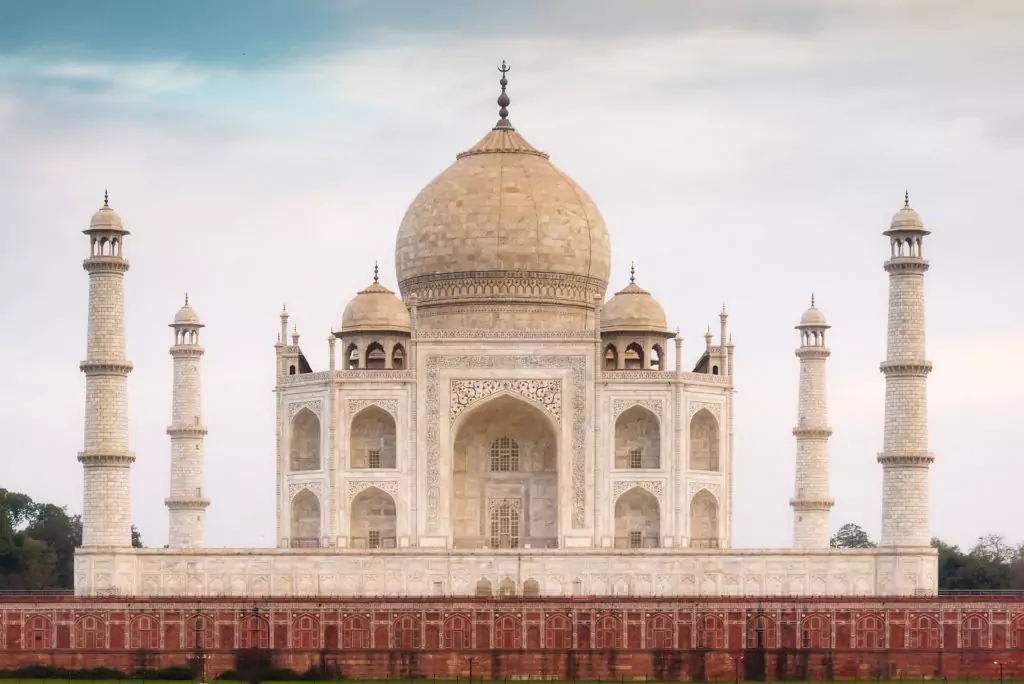
The Taj Mahal dominates global imagination but Mughal architectural heritage is far more diverse. This legacy extends across India with forts, mosques, gardens, and tombs that combine Persian, Indian, and Central Asian influences. Many of these sites remain less explored yet hold immense historical, cultural, and architectural value.
Major Monuments Highlighted
- Humayun’s Tomb – Delhi (“Precursor to the Taj”)
- Built in 1570 by Empress Bega Begum for her husband, Emperor Humayun.
- First garden-tomb in India and a UNESCO World Heritage Site.
- Introduced Persian double-dome, charbagh (four-part) garden style, and red sandstone facade with white marble.
- Served as a model for later Mughal mausoleums, including the Taj Mahal.
- Safdarjung’s Tomb – Delhi (“Last Breath of Mughal
Grandeur”)
- Built in the mid-18th century, marking the decline of Mughal architectural excellence.
- Located in South Delhi.
- Features: Large central dome, sandstone-and-marble construction, ornate arches.
- Represents a fading style but retains grandeur.
- Bibi Ka Maqbara – Aurangabad (“Taj of the Deccan”)
- Built by Azam Shah (son of Aurangzeb) in memory of his mother, Dilras Banu Begum.
- Resembles the Taj Mahal but is more restrained and less elaborate.
- Made in the late 17th century.
- Highlights the Mughal presence in the Deccan region.
- Itmad-ud-Daulah’s Tomb – Agra (“Baby Taj”)
- Built by Nur Jahan for her father, Mirza Ghiyas Beg, in 1628.
- First Mughal monument made entirely of white marble.
- Known for intricate pietra dura inlay work, lattice screens, and floral designs.
- Preceded the Taj Mahal in style and material usage.
- Shah Jahan’s Unfinished Dream
- Reference to Shah Jahan’s vision for architectural projects that remained incomplete.
- Reflects the emperor’s taste for grand scale, symmetry, and refined ornamentation.
- The Red Fort – Delhi
- Built by Shah Jahan in 1638 as the political and ceremonial capital.
- Showcases ornate pavilions, mirror-work, and Mughal aesthetics.
- UNESCO World Heritage Site and symbol of India’s sovereignty (Independence Day address venue).
Themes & Architectural Features
- Persian Influence: Charbagh gardens, domes, arches, intricate geometric and floral patterns.
- Indian Craftsmanship: Local stonework, regional motifs, decorative elements.
- Central Asian Touch: Symmetry, massive gateways, pavilions.
- Materials Used: Red sandstone, white marble, precious stone inlay.
- Construction Style: Double domes, ornamental jalis (latticed screens), chhatris (domed kiosks), and grand gateways.
Travel Perspective (UPSC Cultural Geography Relevance)
- Moving beyond the Taj reveals lesser-known Mughal heritage, such as:
- Frescoes in Safdarjung’s Tomb.
- Intimacy of Itmad-ud-Daulah’s marble screens.
- The quieter charm of regional Mughal spaces—from Kashmir gardens to Gujarat mosques.
- These monuments reflect the regional spread and adaptability of Mughal design.

Why These Monuments Matter
- Historical Significance: Represent various phases of Mughal rule—from early consolidation (Humayun’s Tomb) to peak (Taj Mahal, Red Fort) to decline (Safdarjung’s Tomb).
- Architectural Evolution: Transition from sandstone to white marble, simple designs to highly ornamental works.
- Cultural Legacy: Blend of Persian, Central Asian, and Indian styles influencing later architecture.
- Political Symbolism: Red Fort as a power center; mausoleums as statements of imperial authority and personal devotion.
Prelims Questions:
1. Consider the following statements regarding Humayun’s Tomb:
- It was the first garden-tomb built in India.
- It was commissioned by Emperor Humayun himself.
- It is a UNESCO World Heritage Site.
Which of the above statements is/are correct?
- 1 and 2 only
- 1 and 3 only
- 2 and 3 only
- 1, 2 and 3
2. Bibi Ka Maqbara in Aurangabad was commissioned by:
- Aurangzeb in memory of his wife
- Azam Shah in memory of his mother
- Shah Jahan in memory of Mumtaz Mahal
- Jahangir in memory of Nur Jahan