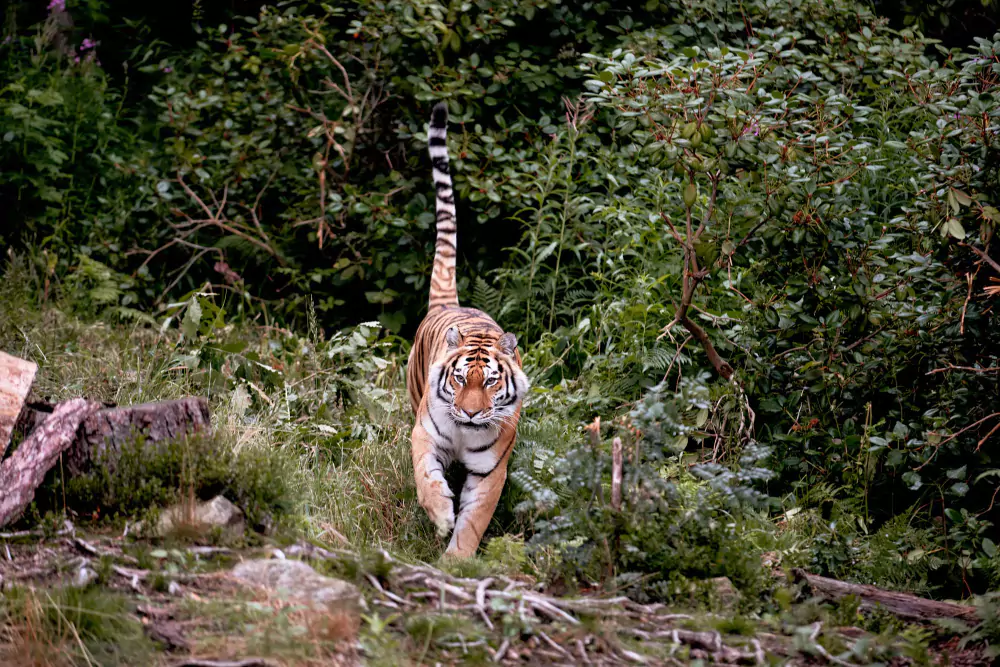
Corbett Tiger Reserve Issues
Syllabus Areas:
GS III - Environment and Ecology
Corbett Tiger Reserve (CTR), India’s first national park (1936), continues to be a flagship in tiger conservation but now faces ecological stress from unregulated tourism and associated infrastructure development. Growing tiger numbers in both core and buffer zones have raised concerns about human-wildlife conflict. Spread of invasive species (lantana), habitat degradation, and tourism pressure are threatening long-term conservation goals.
Historical Background
- 1936 – Founded as Hailey National Park, renamed Corbett National Park in 1957 in honour of Jim Corbett.
- Jim Corbett (1875–1955) – Born in Nainital, spent life in Kumaon, famous for hunting man-eaters and later for advocating tiger conservation.
- Advocated wildlife protection before Independence; worked for community welfare in Choti Haldwani.
- 1973 – Project Tiger launched; Corbett was among first 9 reserves chosen.
- CTR’s area expanded to ~1,288 sq km (core + buffer) with over 200 tigers today.
Wildlife Tourism & Economy
- ~3 lakh visitors annually generate ~₹20 crore in revenue.
- Tourism infrastructure: lodges inside & outside reserve, vehicle safaris across 8 zones.
- Concerns:
- Unregulated luxury resorts.
- Expansion of tourism zones for leisure/weddings.
- Light & noise pollution, walls, vehicular traffic obstruct tiger movement.
- Inequitable economic benefits – local communities often left out.
Ecological Challenges
- Tiger Habitat Pressure:
- NTCA recommends 75–100 adult/sub-adult tigers for viability; Corbett meets this but density spreading to buffer & adjoining divisions (Ramnagar, Terai West, Lansdowne).
- Human-wildlife conflicts increasing — tigers/leopards entering villages.
- Invasive species: Lantana camara choking grasslands.
- Reduces water infiltration, increases erosion.
- Highly flammable → spreads forest fires quickly.
- Grassland degradation:
- Native grass cover only ~10% of area.
- Poor follow-up after lantana removal → native grass planting neglected.
- Grass nurseries underutilised.
Conservation Achievements
- CTR considered a model reserve for:
- Anti-poaching measures.
- Dedicated staff and effective management.
- Tiger numbers in India rose from ~1,800 in 1973 to 3,600+ (2023 census), with Corbett holding one of the largest populations.

Jim Corbett – The Man & His Legacy
- Legendary hunter-turned-conservationist.
- Wrote 6 popular books — Man-Eaters of Kumaon, The Man-Eating Leopard of Rudraprayag, My India, Tree Tops, etc.
- Known for his philosophy of balance between wildlife protection and human welfare.
- Dedicated “My India” to “my friends, the poor of India”.
- Last years in Kenya; died in 1955.
- Remembered as both a shikari and a protector of tigers.
- Famous quote: “A tiger is a large-hearted gentleman…” — warning against extermination.
Man-Eater Encounters
- Corbett’s hunting style was marked by skill, patience, and personal risk.
- Killed 12 recorded man-eaters (possibly more).
- Most famous hunts: Chowgarh man-eater (killed over 60 people), Rudraprayag leopard.
- Contradiction in his life — hunted tigers but deeply respected and sought to protect them from extinction.
Broader Environmental Context
- Forest cover in India declined from >25% at Independence to ~11% (mid-20th century).
- Present-day challenge: balancing conservation with development & population pressure.
- Tigers remain ecological keystone species — their survival ensures a self-sustaining forest ecosystem.
Prelims Questions:
1. Consider the following statements regarding Corbett Tiger Reserve (CTR):
- It was the first national park to be established in Asia.
- It was one of the first nine reserves under Project Tiger in 1973.
- It is currently home to the largest tiger population in any protected area in India.
Which of the statements given above is/are correct?
- 1 and 2 only
- 2 and 3 only
- 1 and 3 only
- 1, 2 and 3
2. Which of the following are direct ecological impacts of Lantana camara spread in tiger reserves like Corbett?
- Increased soil erosion
- Enhanced groundwater recharge
- Greater forest fire vulnerability
- Reduced regeneration of native grasses
Select the correct answer using the code below:
- 1, 3 and 4 only
- 1 and 2 only
- 2 and 4 only
- 1, 2, 3 and 4
3. Which of the following correctly matches the book with its content?
| Book | Content |
|---|---|
| 1. Man-Eaters of Kumaon | Accounts of hunting man-eating tigers in Kumaon |
| 2. My India | Stories of Corbett’s life among the poor in India |
| 3. Tree Tops | Describes Princess Elizabeth’s stay in Kenya when she became Queen |
Select the correct code:
- 1 and 2 only
- 2 and 3 only
- 1 and 3 only
- 1, 2 and 3
Mains Question:
- "Discuss the challenges of balancing wildlife conservation and tourism in protected areas, with special reference to Corbett Tiger Reserve." 10 Marks 150 Words