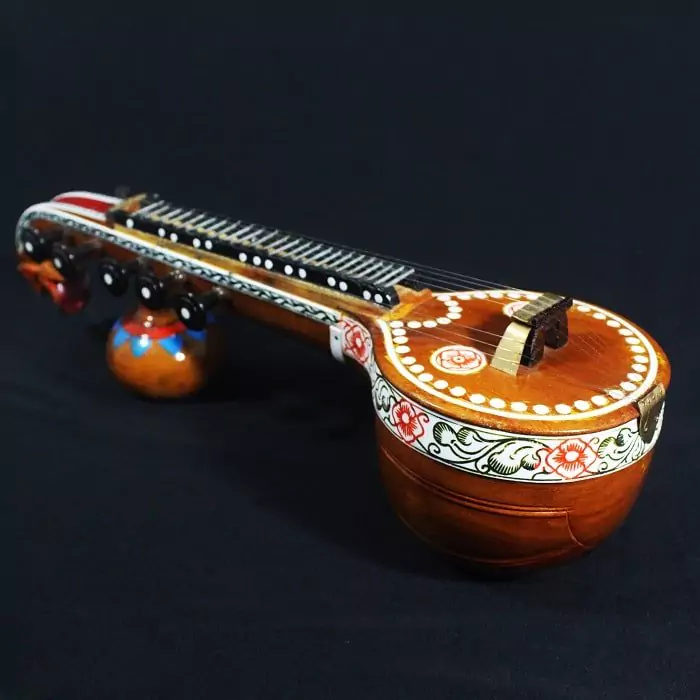
Bobbili Veena
Syllabus Areas:
GS Paper I: Indian culture
GS Paper III: Indian Economy
Prelims: Schemes (ODOP, GI Tag)
Bobbili Veena (from Vizianagaram, Andhra Pradesh) has been nationally recognized under the One District One Product (ODOP) scheme.
What is ODOP Scheme?
The One District One Product (ODOP) scheme is a Government of India initiative under the Ministry of Food Processing Industries (MoFPI). It aims to identify one unique product per district across the country and promote it nationally and globally.
Main Objectives:
- Promote local products with cultural and economic value.
- Create jobs through value chain development (processing, packaging, marketing).
- Strengthen MSMEs and artisans in rural and semi-urban areas
- Enhance export potential of traditional products.
Bobbili Veena:
- Known for distinct tonal quality and elegant design
- Featured in the G-20 Summit (New Delhi) & Global Summit (Visakhapatnam).
- Carried Geographical Indication (GI) Tag since 2011.
- Appears on postal stamps, coins, and used as diplomatic gifts (even admired by former US President Bill Clinton).
- Historically linked to Bobbili town, a symbol of Andhra’s musical and cultural heritage.
Other recognized handloom & craft products:
- Etikoppaka Toys (Anakapalli)
- Peddapuram Silk Sarees (Kakinada)
- Chirala & Venkatagiri Sarees
- Narasapur crochet lace, Dharmavaram silk sarees, etc.
Agricultural products under ODOP:
- Chilli (Guntur), Cashew (Srikakulam)
- Efforts for: Banana (Kadapa), Tomato (Chittoor), Groundnut (Kurnool)
Supportive State Initiatives:
- Free electricity scheme for weavers (to begin on Aug 7, National Handloom Day)
- Special artisan training programs
Why This Matters for India’s Economy and UPSC Mains?
- Cultural Diplomacy:
- Promotes India’s soft power through art and craft at international forums (G-20, summits).
- Encourages cultural branding of districts.
- Rural & MSME Empowerment:
- Boosts rural employment via handloom, handicraft, and agriculture sectors.
- Ensures targeted support for traditional artisans and local farmers.
- Economic & Social Impact:
- ODOP facilitates value chain development, branding, and market linkages.
- State’s move to provide free electricity to weavers will improve their production viability and livelihood.
- Conservation of Traditional Knowledge:
- Protects indigenous art forms under GI tagging, ensuring legacy and economic benefits remain with original communities.
Prelims Questions:
- Which of the following products has received national recognition under the
ODOP scheme?
- Bobbili Veena
- Pashmina Shawls
- Madhubani Paintings
- Khadi Cloth
Ans: A
- The Bobbili Veena has received a GI tag from which Indian
state?
- Tamil Nadu
- Andhra Pradesh
- Telangana
- Karnataka
Ans: B
- The One District One Product (ODOP) initiative is primarily aimed
at:
- Increasing FDI in rural sectors
- Promoting GI-tagged exports only
- Identifying and promoting unique district-level products
- Developing solar energy in each district
Ans:C
- Which of the following events recently featured Bobbili Veena as a symbolic
artefact of Indian culture?
- COP28 Climate Summit
- G-20 Summit in Delhi
- BRICS Summit in South Africa
- UNGA meeting in New York
Ans: B
Mains Question:
- “The ‘One District One Product’ (ODOP) initiative has the potential to revive traditional Indian craftsmanship while ensuring economic decentralization.” Critically analyze. 150 Words 10 Marks